Bodyweight Exercises for Pregnant Women: Safely Staying Active Throughout Pregnancy
As a pregnant woman, staying active and healthy is crucial for a smooth and successful pregnancy. Exercise, including bodyweight exercises, can help alleviate aches and pains, prevent excessive weight gain, and prepare your body for labor and recovery.
Why Bodyweight Exercises are Ideal for Pregnancy
Bodyweight exercises are an excellent option for pregnant women because they require no equipment, can be modified to accommodate different fitness levels, and are a low-impact way to maintain strength and flexibility. By incorporating bodyweight exercises into your prenatal workout routine, you can stay active, strong, and confident throughout your pregnancy.
Benefits of Bodyweight Exercise During Pregnancy
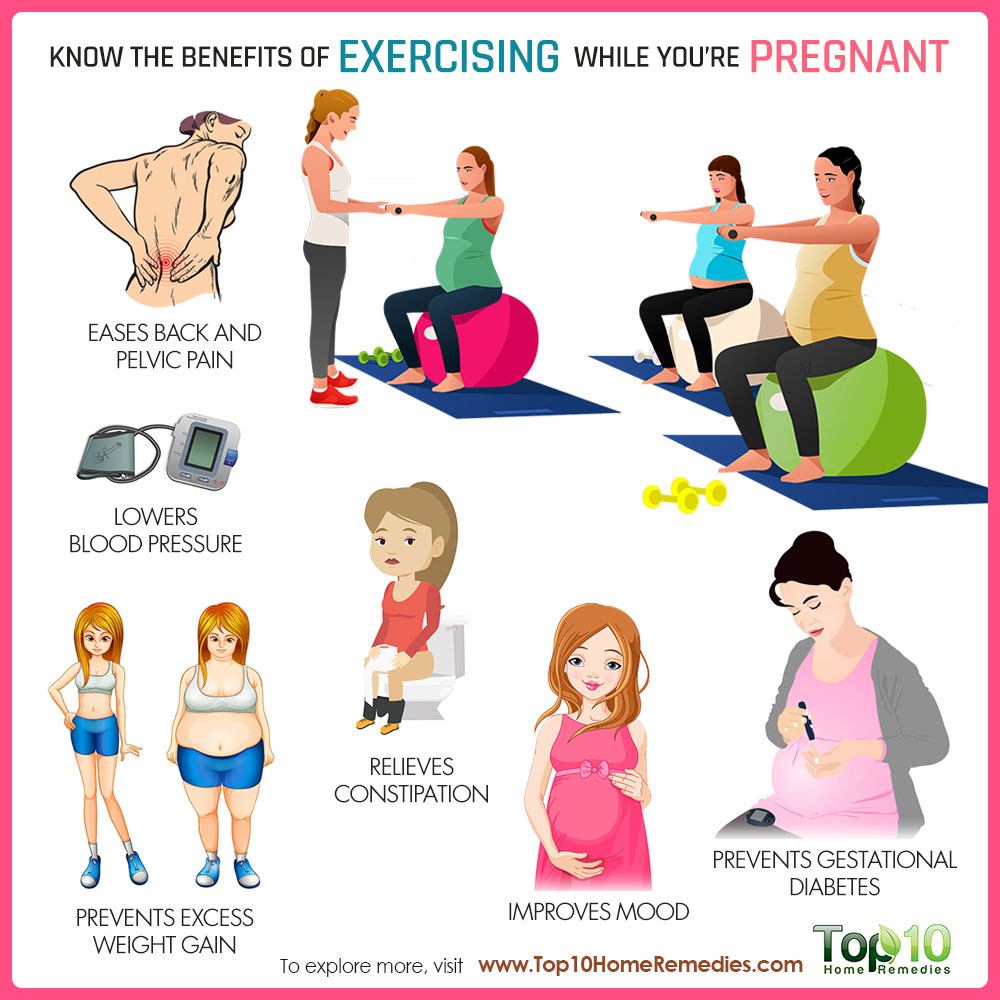
- Reduces the risk of complications during pregnancy and childbirth
- Helps alleviate back pain, pelvic pain, and sciatica
- Boosts energy and endurance
- Supports fetal development and healthier birth weights
- Prepares your body for labor and delivery
- Enhances overall physical and mental well-being
Types of Bodyweight Exercises Suitable for Pregnancy
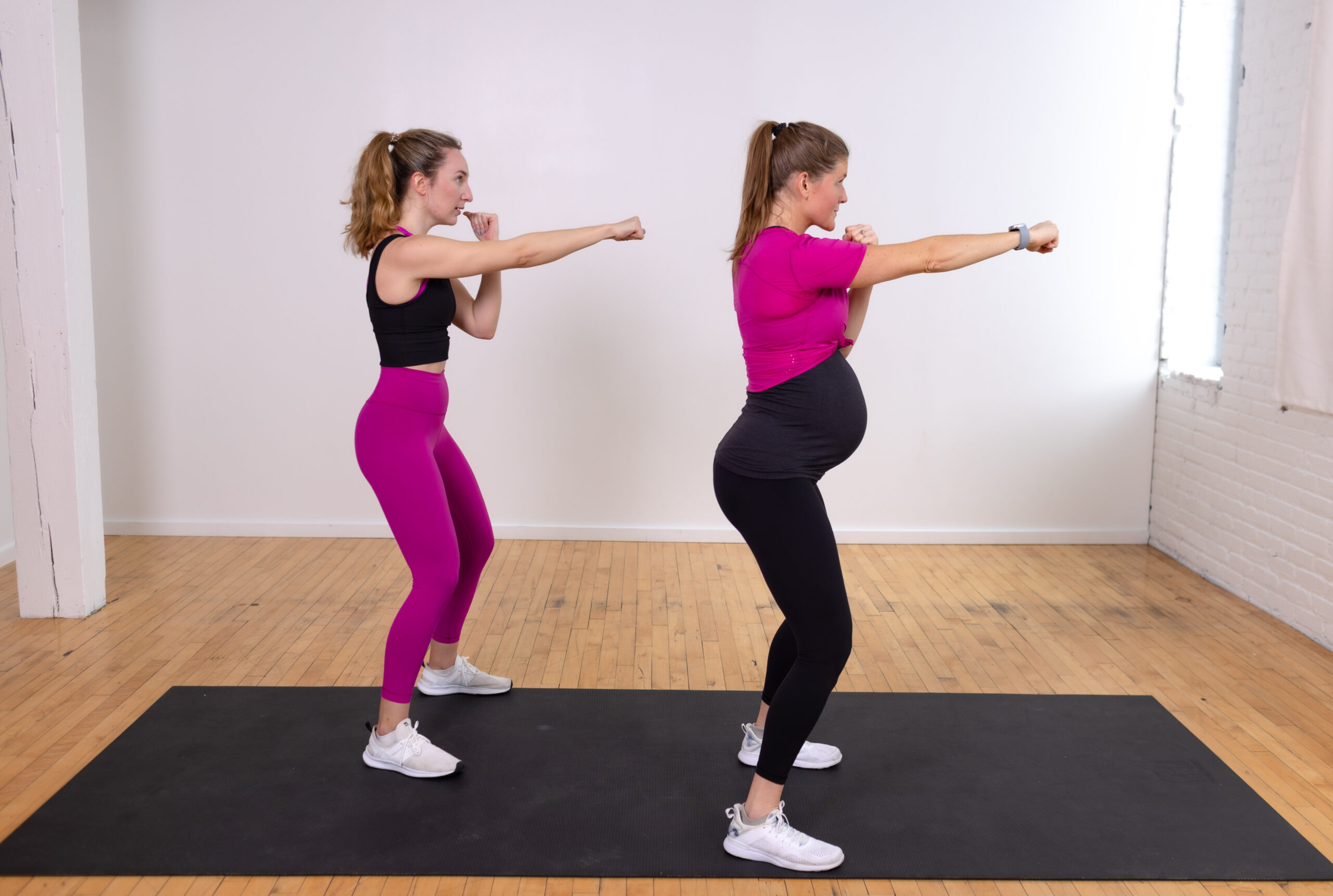
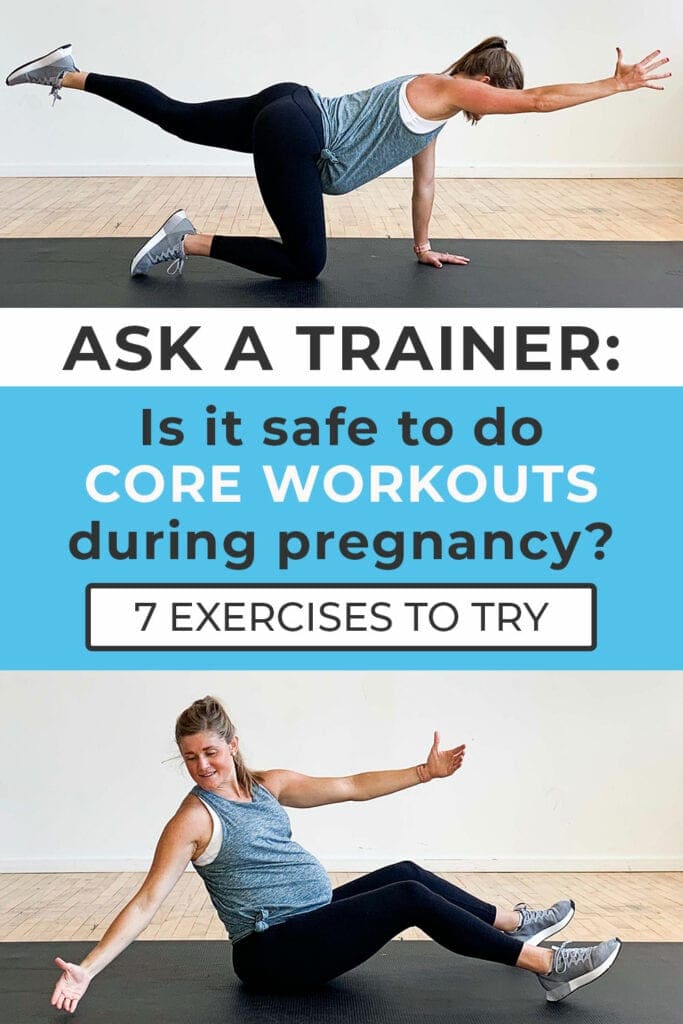
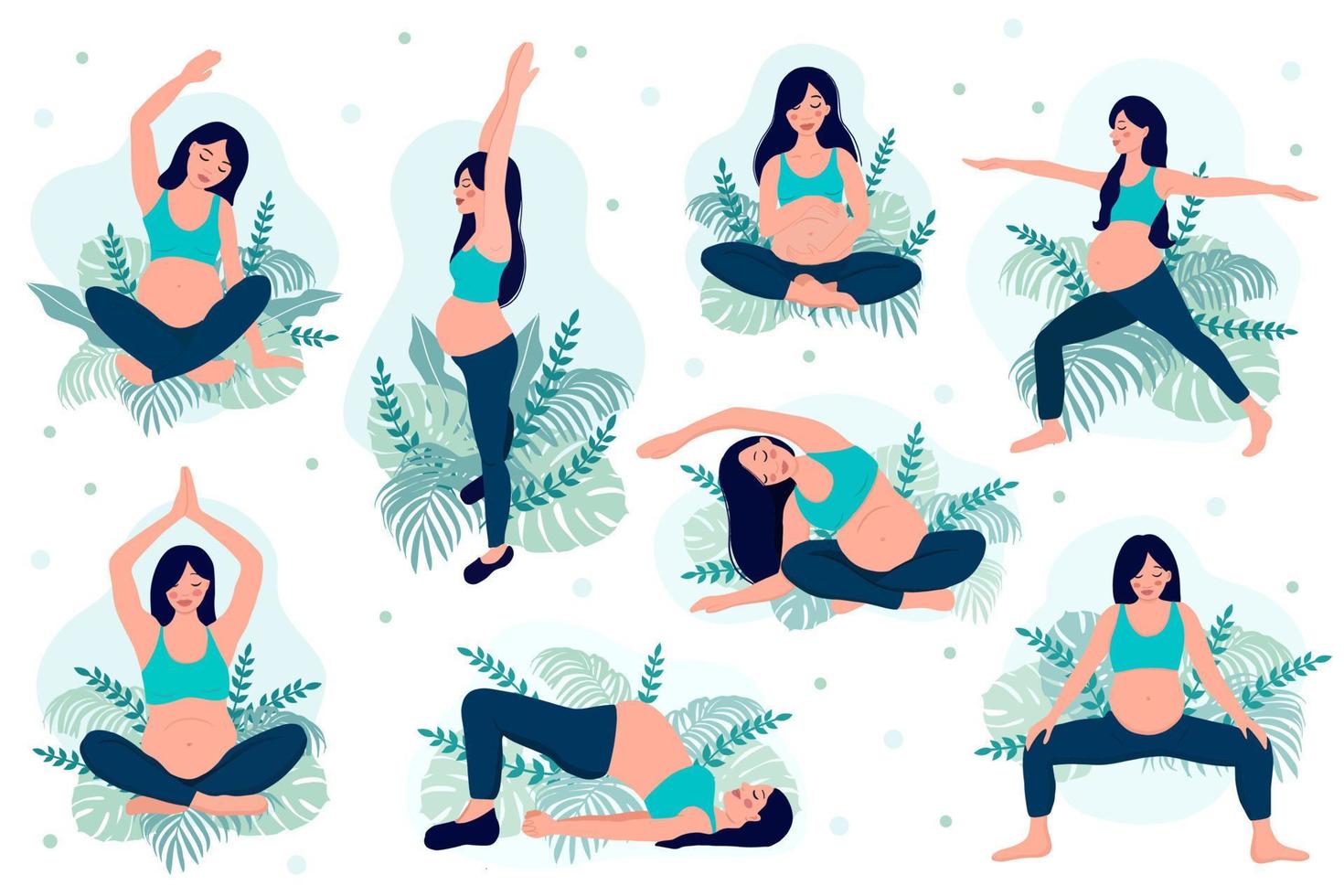
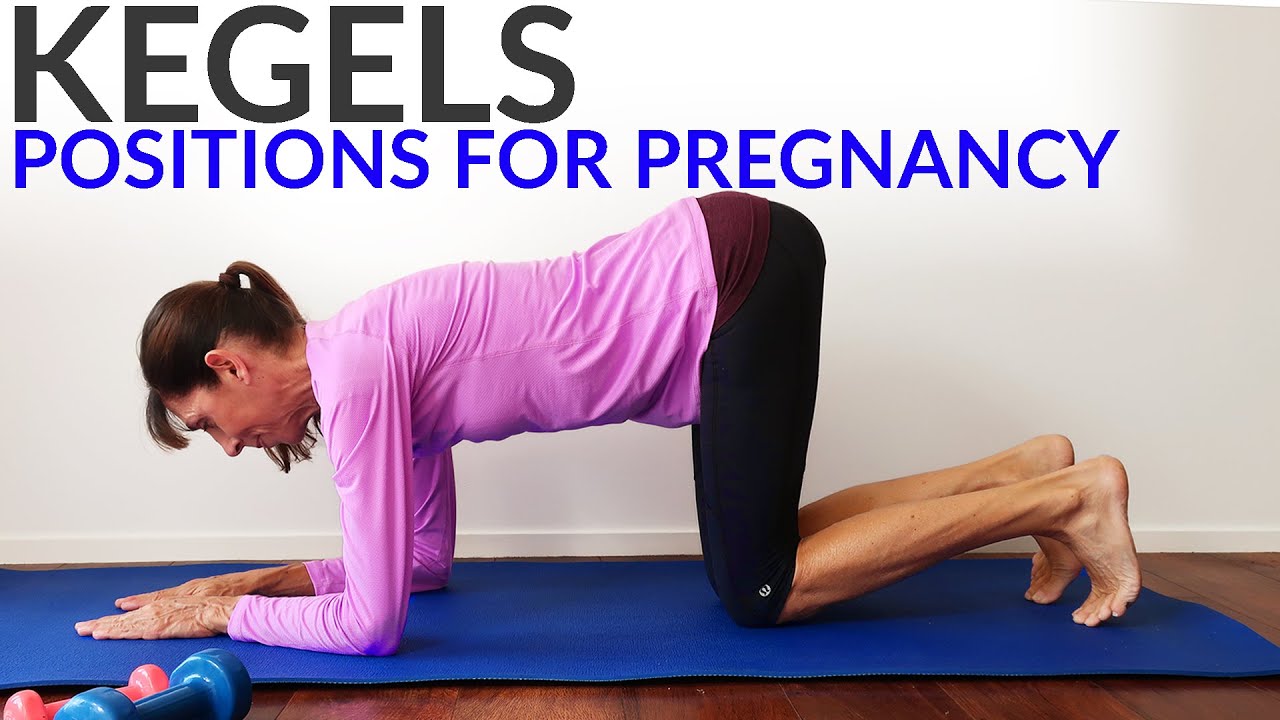
As a pregnant woman, it's essential to focus on bodyweight exercises that target hip and core strength, balance, and pelvic floor strengthening. Some safe and effective bodyweight exercises for pregnant women include:
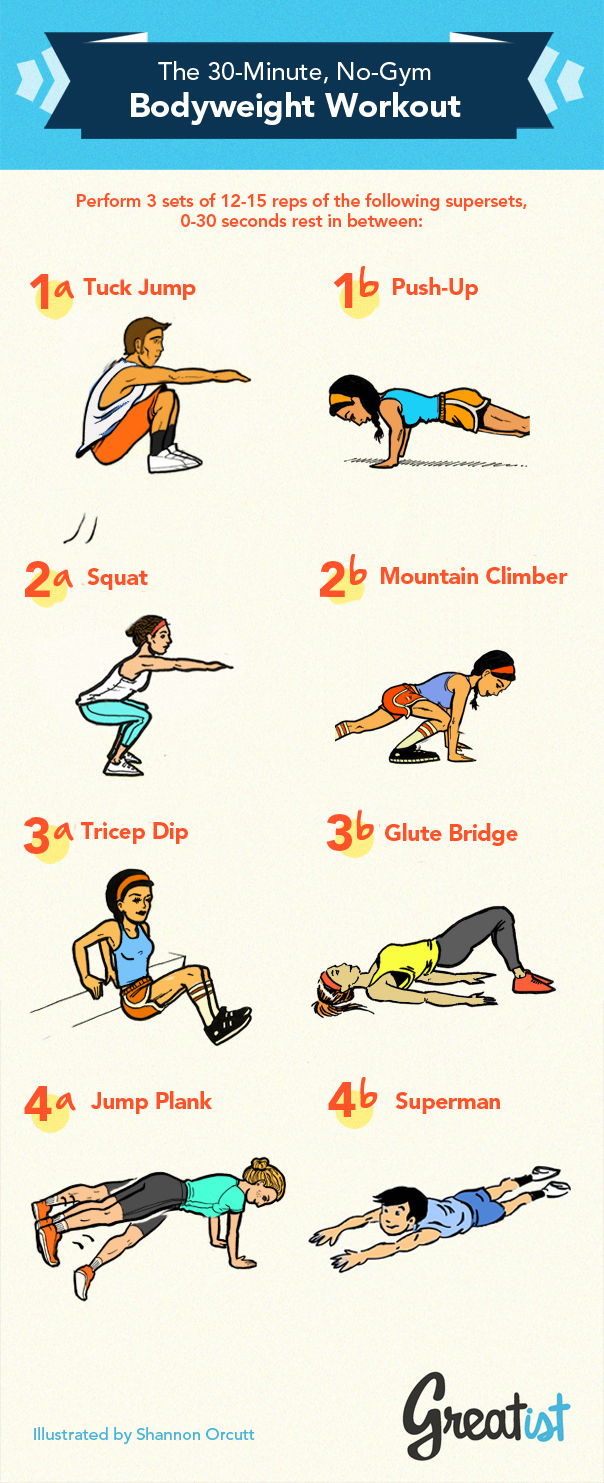
- Squats
- Push-ups (modified on knees or using a stability ball)
- Leg raises
- Wall sits
- Glute bridges
Exercise Modifications for Pregnancy
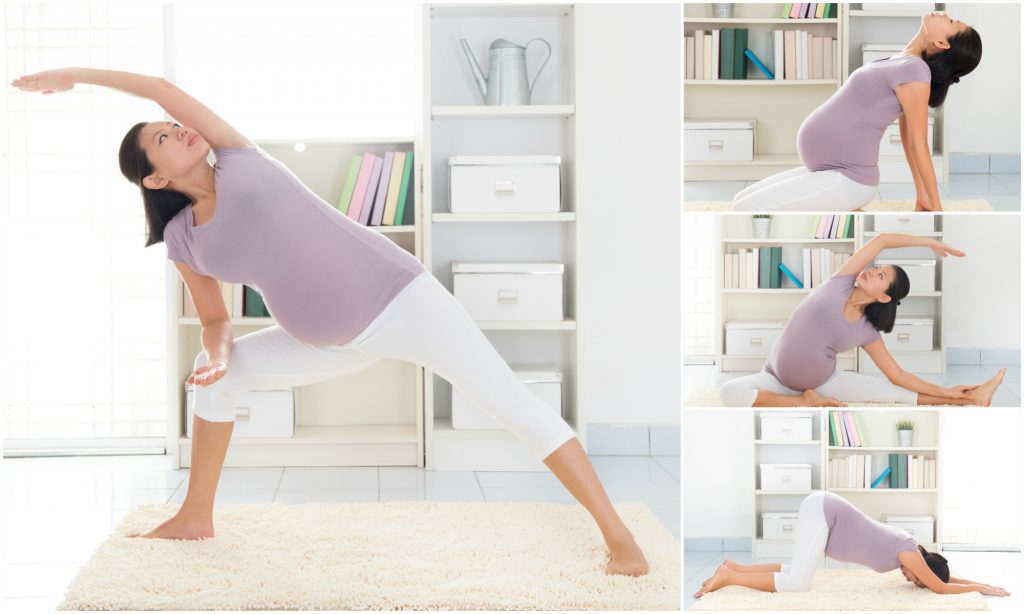
As your pregnancy progresses, you may need to modify certain exercises to accommodate your growing belly and any discomfort or pain. Here are some tips to keep in mind:
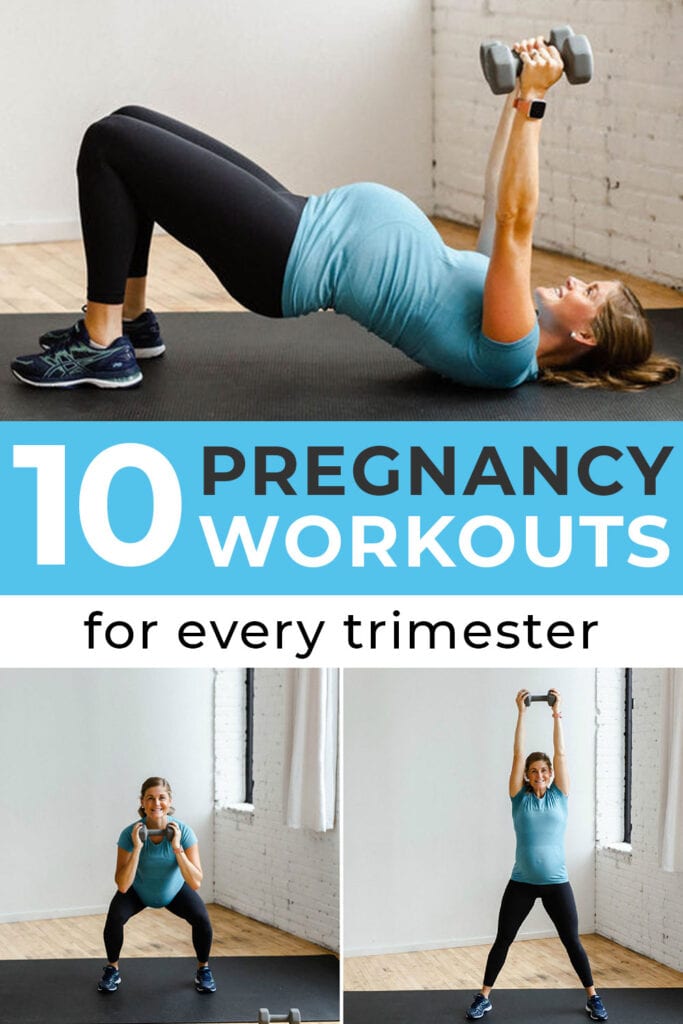
- Avoid long supine (on your back) positions after the first trimester
- Modify exercises to reduce strain on your back and pelvis
- Focus on glute and posterior chain strengthening
- Use inclines, side-lying, or seated variations when needed
When to Stop Exercising During Pregnancy
It's essential to listen to your body and know when to stop exercising during pregnancy. If you experience any of the following, it's time to pause or modify your exercise routine:
- Severe back pain or discomfort
- Bleeding or vaginal discharge
- Fever or chills
- Shortness of breath or chest pain
- Contractions or preterm labor
Conclusion
Bodyweight exercises are a safe and effective way to stay active and healthy throughout your pregnancy. By incorporating these exercises into your prenatal workout routine, you can prepare your body for labor and delivery, alleviate pain and discomfort, and maintain physical and mental well-being. Remember to listen to your body, modify exercises as needed, and always consult with your healthcare provider before starting or continuing any exercise routine during pregnancy.
Resources
For a comprehensive overview of bodyweight exercises suitable for pregnancy, check out the following resources:
- BodyFit By Amy: 25 Minute Prenatal Bodyweight Workout
- Move for Mommies: Pregnancy Exercise Modifications
- Exercising During Pregnancy: American College of Obstetricians and Gynecologists (ACOG) Guidelines