Blue Light Exposure from Virtual Reality: Understanding the Risks and Protection
Virtual reality (VR) technology has revolutionized the way we experience entertainment, education, and even social interactions. However, like with any new innovation, questions arise about its potential impact on our health, particularly with regards to blue light exposure. As VR technology advances, it's essential to understand the risks associated with its blue light emission and explore ways to mitigate them.
Blue Light Exposure from Virtual Reality: A Growing Concern
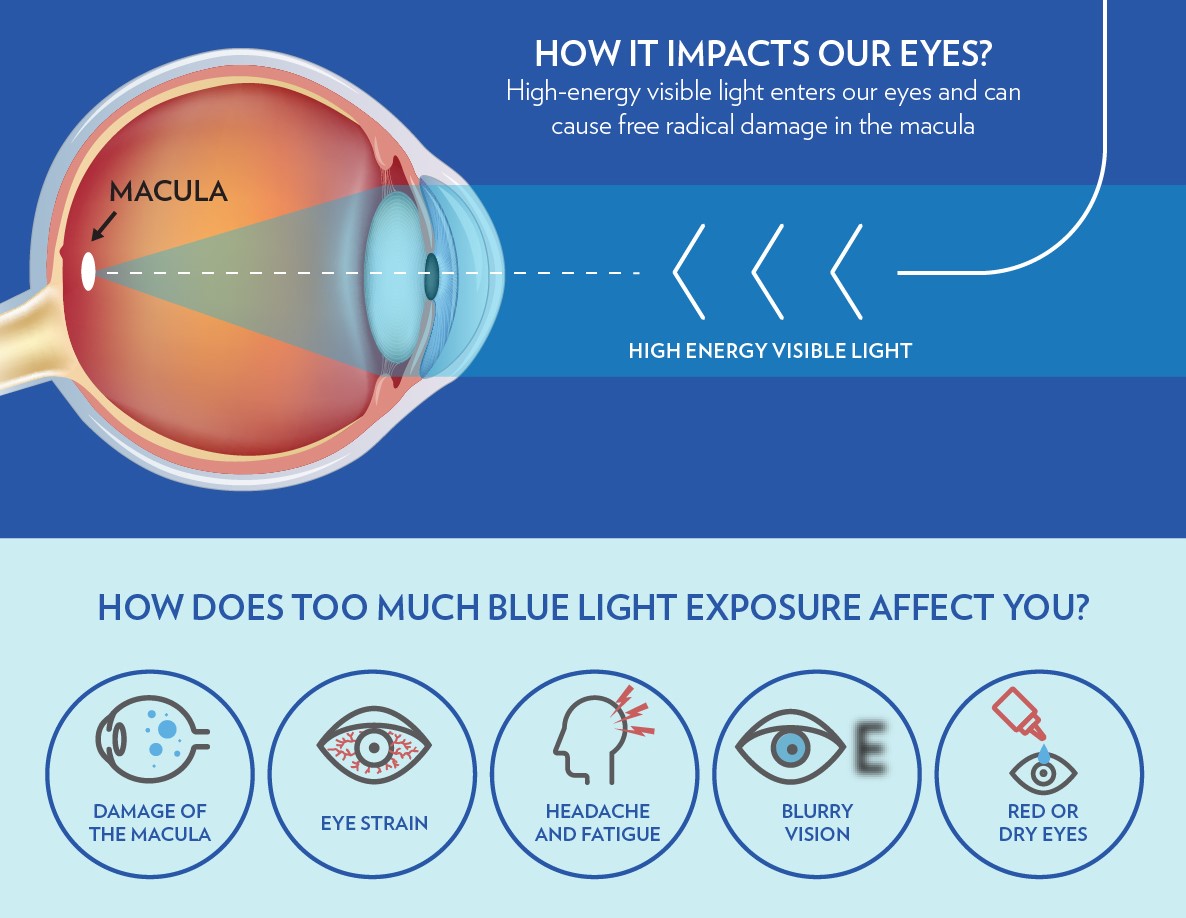
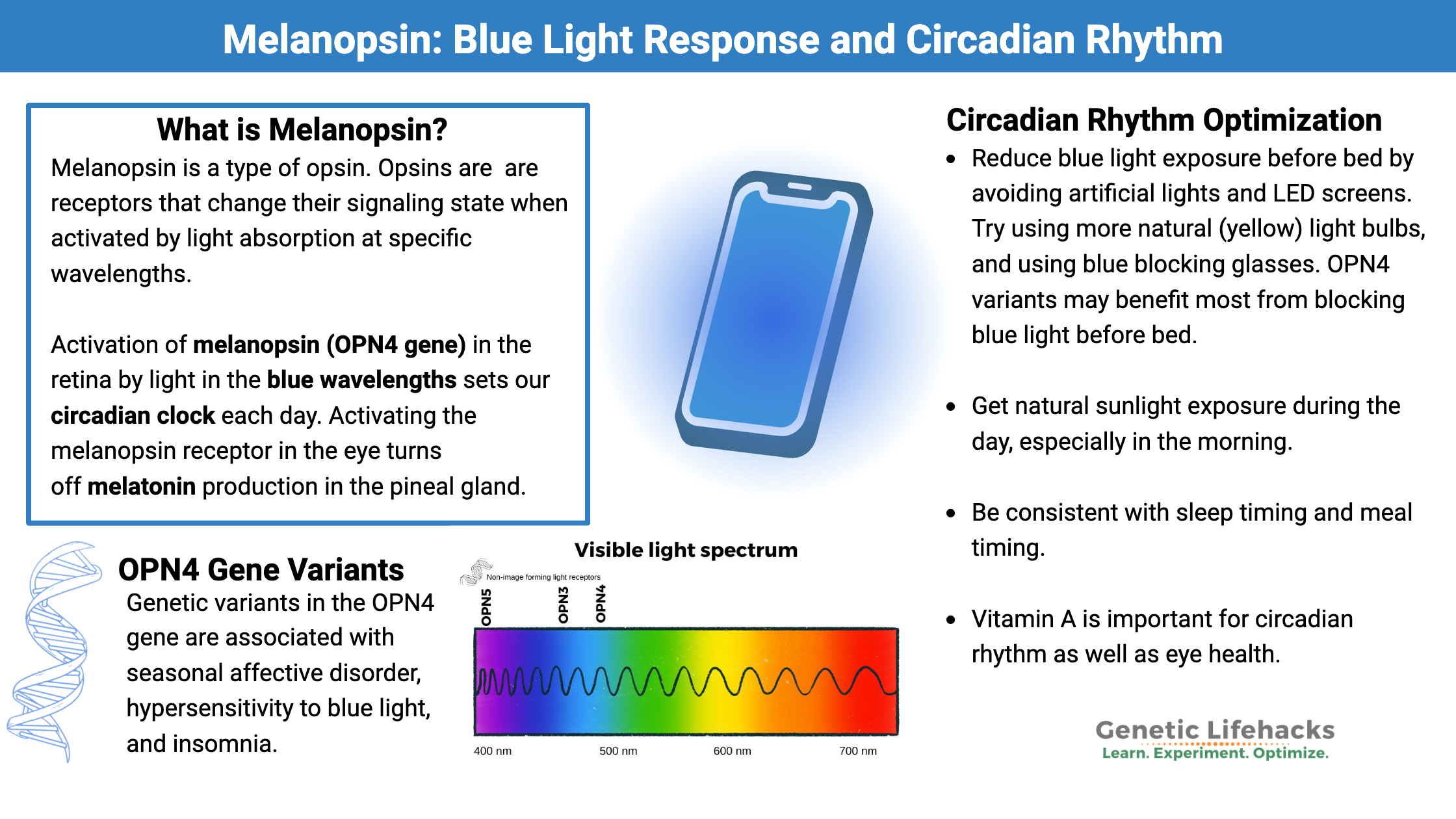
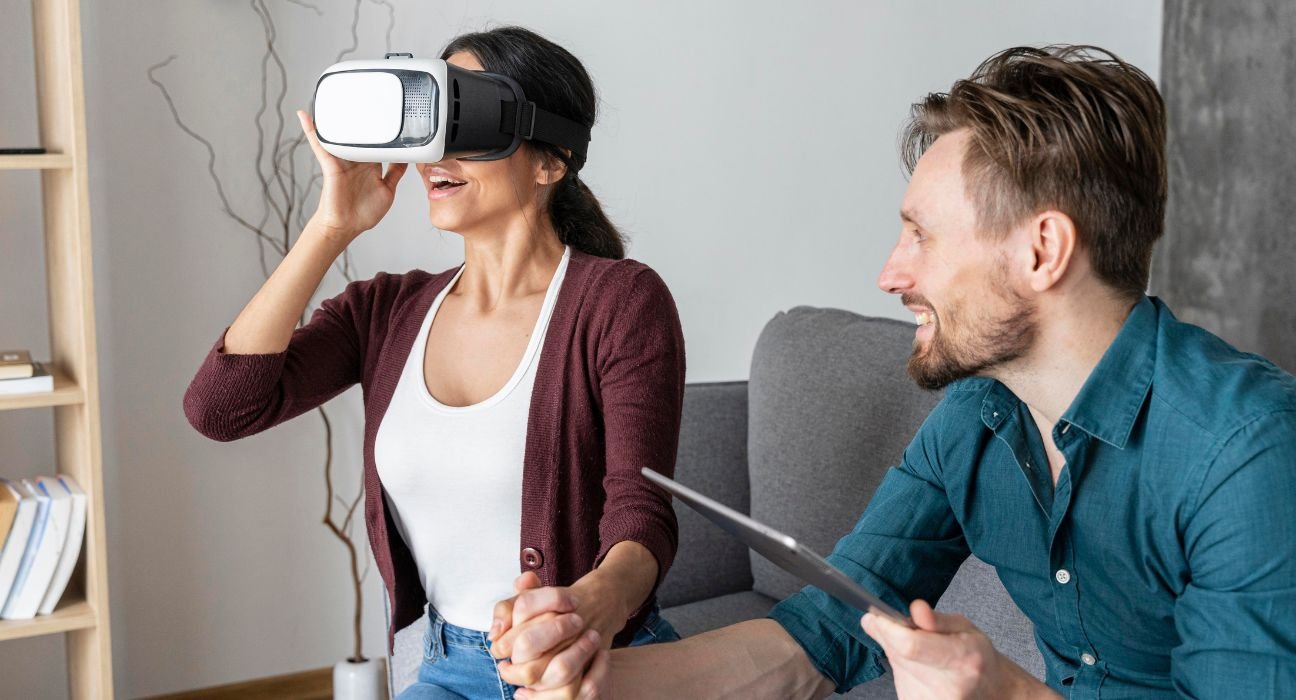
Virtual reality headsets emit blue light, a form of high-energy visible (HEV) light, which is a major concern due to its potential impact on eye health. Blue light from VR headsets can cause eye strain, discomfort, and fatigue, particularly during extended use. Research suggests that prolonged exposure to blue light can also affect color perception, alter the brain's interpretation of color temperature, and even influence visual acuity.
- Increased risk of eye strain and discomfort due to prolonged use of VR headsets
- Affecting color perception and altering the brain's interpretation of color temperature
- Potentially leading to visual acuity issues and eye fatigue
Comparing Blue Light Output in VR Headsets
Several studies have compared the blue light hazard (BLH)-weighted radiances of VR headsets to the given exposure limits provided by the ICNIRP guidelines on limits of exposure to incoherent visible and infrared radiation. These studies aim to understand the risks associated with blue light exposure from VR headsets and provide a baseline for manufacturers to optimize display technologies and develop eye-tracking capabilities.
Protecting Your Eyes from Blue Light Exposure

To mitigate the risks associated with blue light exposure from VR headsets, consider the following strategies:
- Using VR headsets with built-in blue light filters or blue light-blocking glasses
- Monitoring usage time and taking regular breaks to allow the eyes to rest
- Adjusting display settings to reduce blue light emission
- Using eye-tracking capabilities to ensure accurate and natural eye movements
Conclusion
As VR technology advances, it's essential to stay informed about the potential risks associated with blue light exposure. By understanding the impact of blue light from VR headsets and taking steps to mitigate its effects, we can enjoy immersive VR experiences while protecting our eye health. Ultimately, responsible innovation in VR technology will lead to safer and more enjoyable experiences for all users.
Recommendations for Manufacturers and Users
Manufacturers should prioritize developing VR headsets with built-in blue light filters or blue light-blocking glasses to minimize eye exposure risks. Additionally, users should be aware of their usage time, take regular breaks, and adjust display settings to reduce blue light emission. By working together, we can create a safer and more enjoyable VR experience for everyone.
As VR technology continues to evolve, it's crucial to prioritize eye health and mitigate the risks associated with blue light exposure. By staying informed and taking steps to protect our eyes, we can continue to enjoy the immersive experiences that VR offers while minimizing potential health risks.