Water Damage to Engine Damage: A Guide to Prevention and Repair
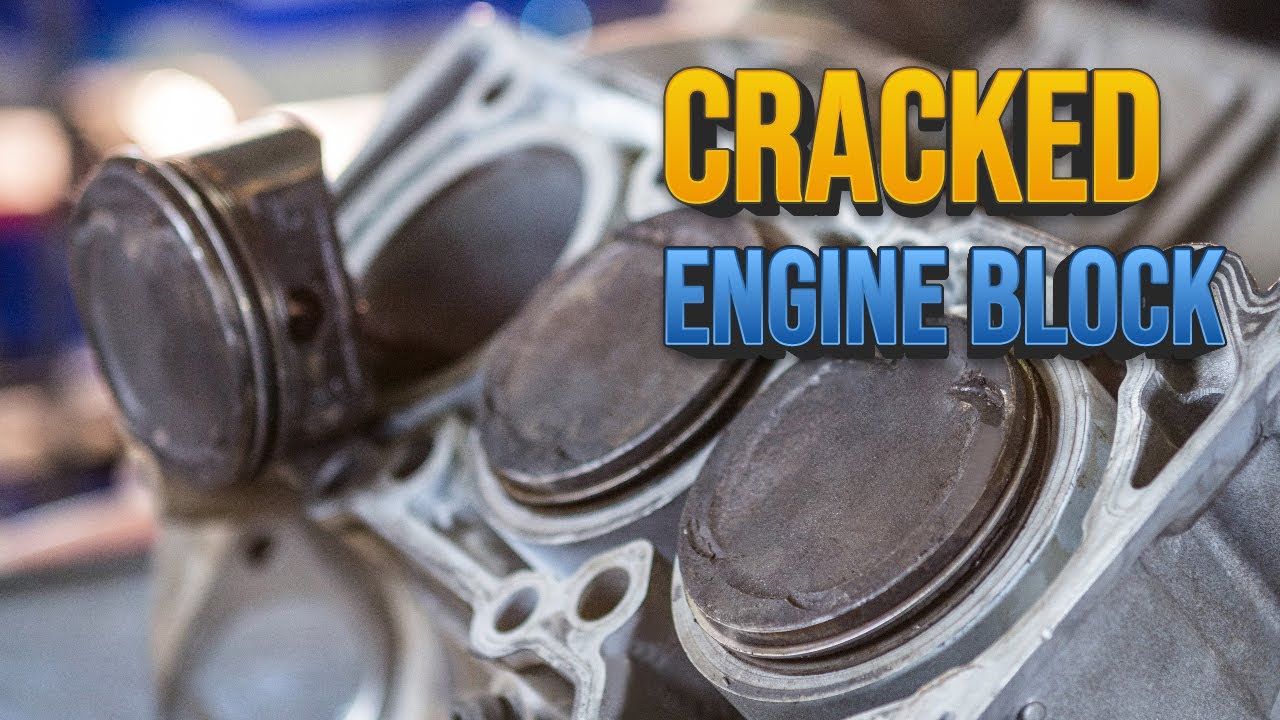
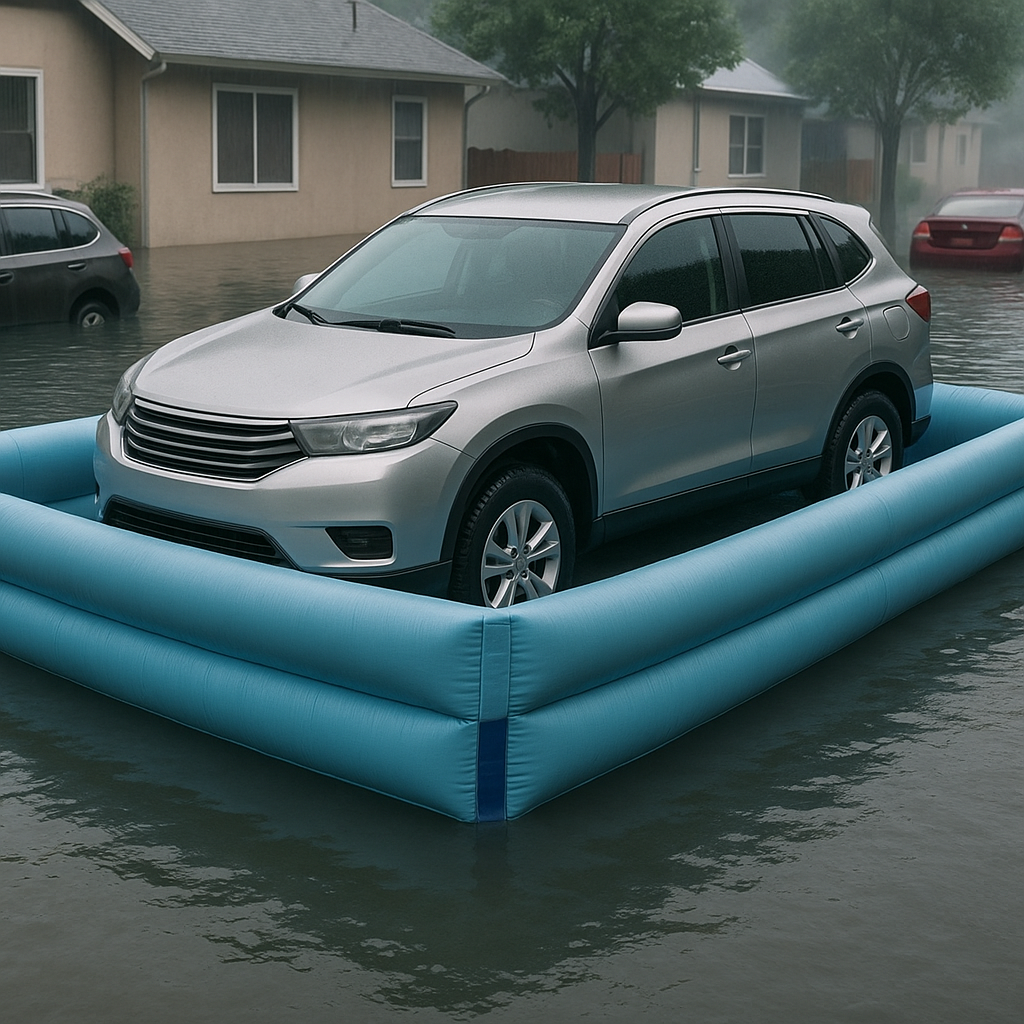
Water damage to an engine is one of the most severe and complex mechanical issues that a vehicle owner can encounter. Whether caused by driving through deep water, heavy flooding, or other unforeseen circumstances, such damage can lead to significant performance issues or even render the engine inoperable.
The Risks of Water Exposure to a Car Engine
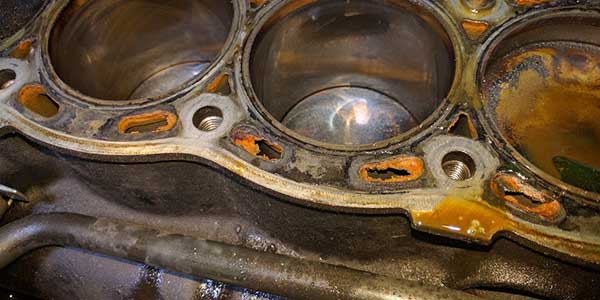
Water exposure to a car engine can cause a range of problems, including hydrolocking, which eventually leads to engine failure. Water in the engine can also cause oil, petrol, or transmission fluid contamination, electrical faults, or rust. These potential problems are very dangerous and can result in engine malfunctions.
Where to Look for Water Damage
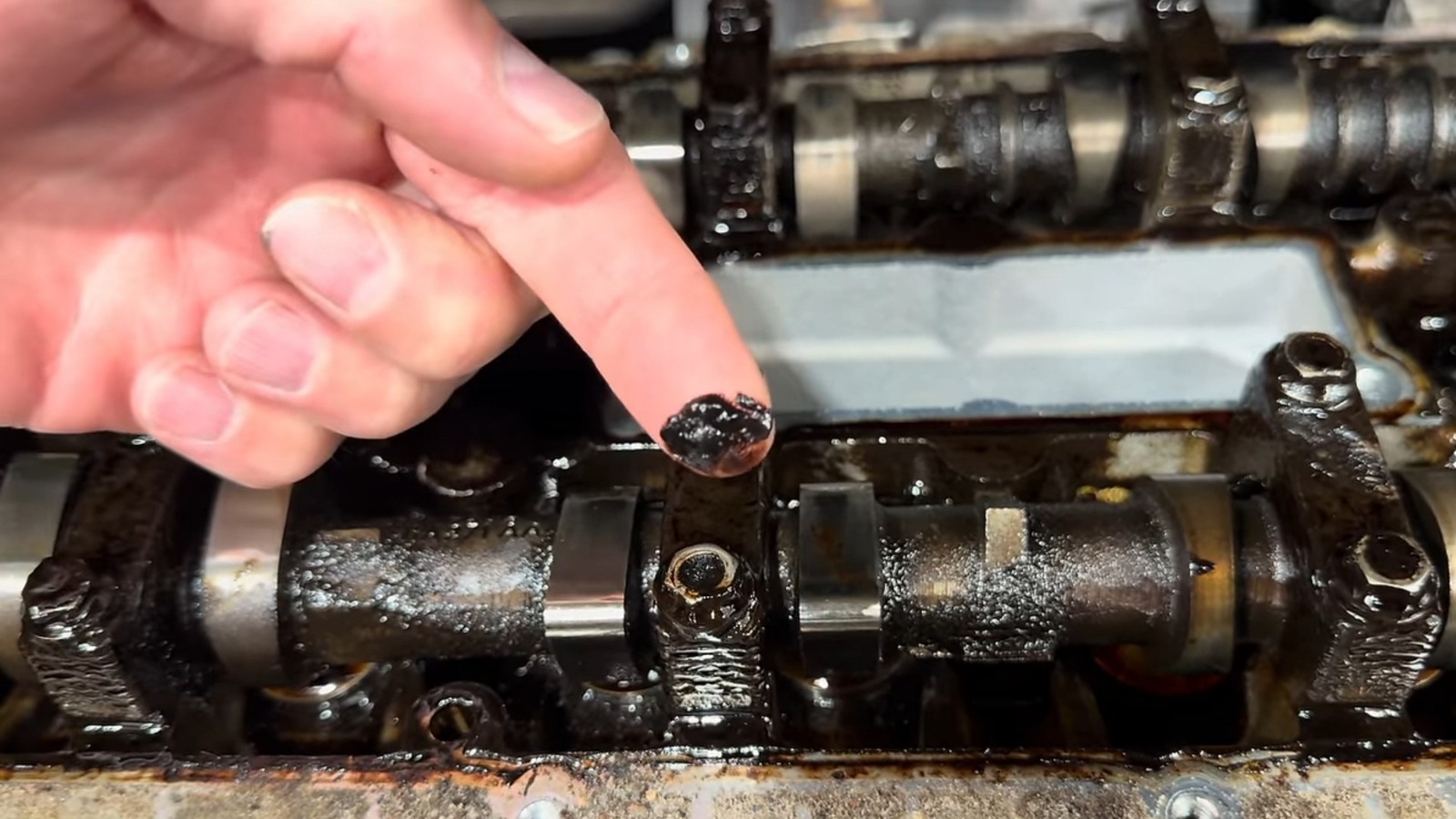
When inspecting a vehicle for water damage, it's essential to check the air filter and intake. If those are wet, it's safe to assume for the worst. Look for other places where water could have leaked inside the engine. Next, check the oil dipstick. If you see that there's more oil than there should be, or if it looks milky, then you probably have water in the crankcase.
The Consequences of Water Damage to a Car Engine
Water damage to a car engine can have severe consequences, including:
- Engine failure
- Hydrolocking
- Oil, petrol, or transmission fluid contamination
- Electrical faults
- Rust
Preventing Water Damage to a Car Engine
To prevent water damage to a car engine, it's essential to take the following precautions:

- Avoid driving through deep water or heavy flooding
- Check the air filter and intake regularly
- Check the oil dipstick regularly
- Use a water-repellent coating on the engine and other critical components
Repairing Water Damage to a Car Engine
Repairing water damage to a car engine can be a complex and expensive process. The following steps should be taken:
- Assess the damage and determine the extent of the repairs needed
- Drain the water from the engine and other critical components
- Replace any damaged components, including the engine, transmission, or electrical system
- Refill the engine with new oil and fluids
- Test the engine to ensure it's running properly
Conclusion
Water damage to a car engine is a severe and complex mechanical issue that can lead to significant performance issues or even render the engine inoperable. By taking the necessary precautions and knowing how to repair the damage, you can minimize the risks and keep your vehicle running smoothly. Remember to always check the air filter and intake, oil dipstick, and other critical components regularly to prevent water damage to your car engine.
Additional Resources
For more information on water damage to a car engine, check out the following resources:
- Paul Davis: A leading provider of water damage restoration services
- STOP Restoration: A 24/7 water damage and fire damage restoration service
- BACnet-integrated wireless leak detection: A system designed to reduce water damage risk in multifamily buildings
- Racor Aquabloc elements: A waterproof, rustproof, and dirtproof filter designed to remove solid contaminants from precision engine components