Safe Online Shopping for Credit Card Owners: A Guide to Protecting Your Transactions
As e-commerce continues to grow, more and more people are turning to the internet to make their purchases. However, with the convenience of online shopping comes the risk of credit card fraud and identity theft. For credit card owners, it's essential to take precautions to ensure their transactions are safe and secure. In this article, we'll discuss the best practices for safe online shopping with credit cards.
Why Credit Cards Are a Safe Choice for Online Shopping
Credit cards offer a level of security and protection that other payment methods, such as debit cards or cash, do not. When you use a credit card to make an online purchase, you have certain rights and protections under the Fair Credit Billing Act (FCBA) and the Credit Card Accountability Responsibility and Disclosure (CARD) Act. These laws provide safeguards against unauthorized transactions, returns, and interest charges. Additionally, many credit cards offer rewards programs, purchase protection, and fraud protection, making them a popular choice for online shoppers.
Safe Online Shopping Practices for Credit Card Owners
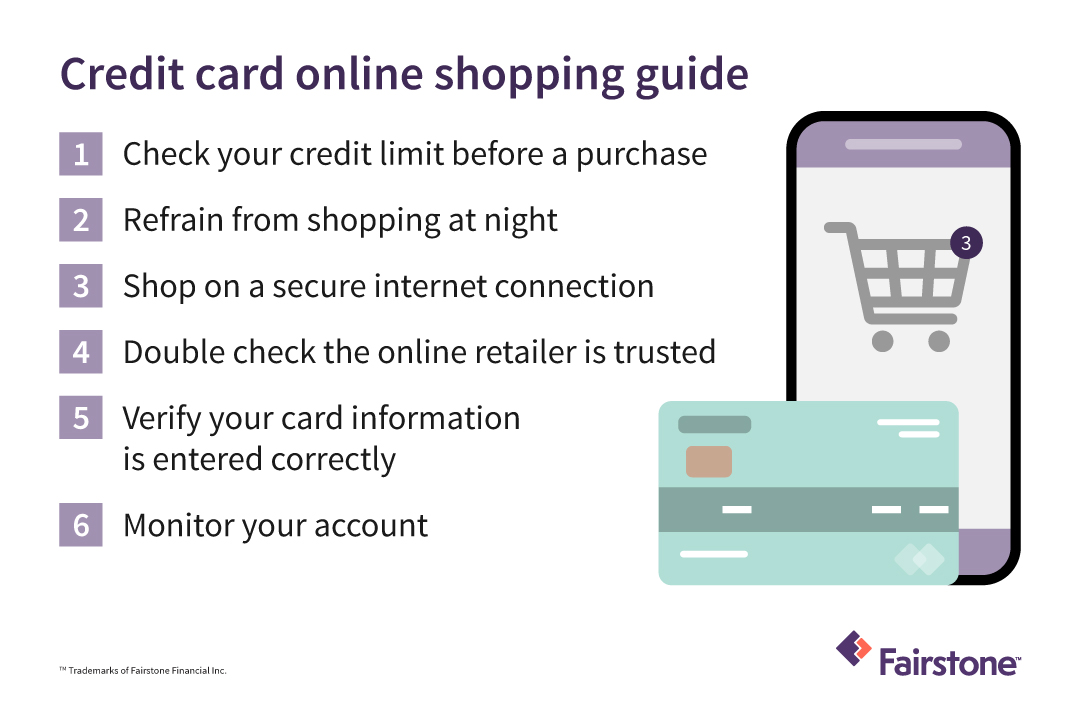
- Verify Your Credit Card Information: Before making a purchase, ensure that you have entered your credit card information correctly. Check the expiration date, card number, and security code (CVV) are accurate.
- Use a Secure Payment Gateway**: Opt for websites with "https" in the URL, which indicates a secure connection. Look for a padlock icon in the address bar, indicating the site is encrypted and secure.
- Keep Your Computer and Browser Up to Date**: Ensure your operating system, browser, and antivirus software are updated with the latest security patches to protect against malware and viruses.
- Use a Virtual Private Network (VPN)**: Consider using a VPN to protect your internet connection and encrypt your data when shopping online.
- Monitor Your Account Activity**: Regularly check your credit card statement for any suspicious transactions. Contact your bank or credit card issuer immediately if you notice any unauthorized activity.
- Use Anti-Malware Software**: Install reputable anti-malware software to detect and remove any spyware or malware that could be used to steal your credit card information.
- Be Cautious of Phishing Emails and Messages**: Be wary of emails or messages that ask for sensitive information, such as your credit card number or password. Scammers often use phishing tactics to steal credit card information.
- Don't Shop on Public Wi-Fi**: Avoid making online purchases on public Wi-Fi networks, as they are often unsecured and vulnerable to hacking.
- Use a Two-Factor Authentication**: Enable two-factor authentication (2FA) on your credit card account to add an extra layer of security and prevent unauthorized access.

Additional Measures to Ensure Safe Online Shopping
In addition to the above practices, consider the following measures to ensure safe online shopping:
- Freeze Your Credit Card**: If you don't plan to use your credit card for an extended period, freeze it to prevent unauthorized transactions.
- Use a Credit Card with Zero Liability**: Look for credit cards with zero-liability policies, which offer protection against unauthorized transactions.
- Set Up Transaction Alerts**: Enable transaction alerts on your credit card account to receive notifications about every purchase, helping you detect any suspicious activity.
- Shop with Reputable Merchants**: Only shop with reputable merchants that have a secure website and a good reputation.
Conclusion
Safe online shopping for credit card owners requires a combination of caution, education, and awareness. By following these guidelines and best practices, you can minimize the risk of credit card fraud and identity theft. Remember to always prioritize your security when making online purchases, and don't hesitate to reach out to your bank or credit card issuer if you have any concerns or questions.