Protecting Your Personal Data from Hackers: A Guide to Safe Online Practices
Your personal information is valuable. That's why hackers and scammers try to steal it. Follow this advice to protect the personal information on your devices and in your online accounts.
Understanding the Threat of Hackers and Data Breaches
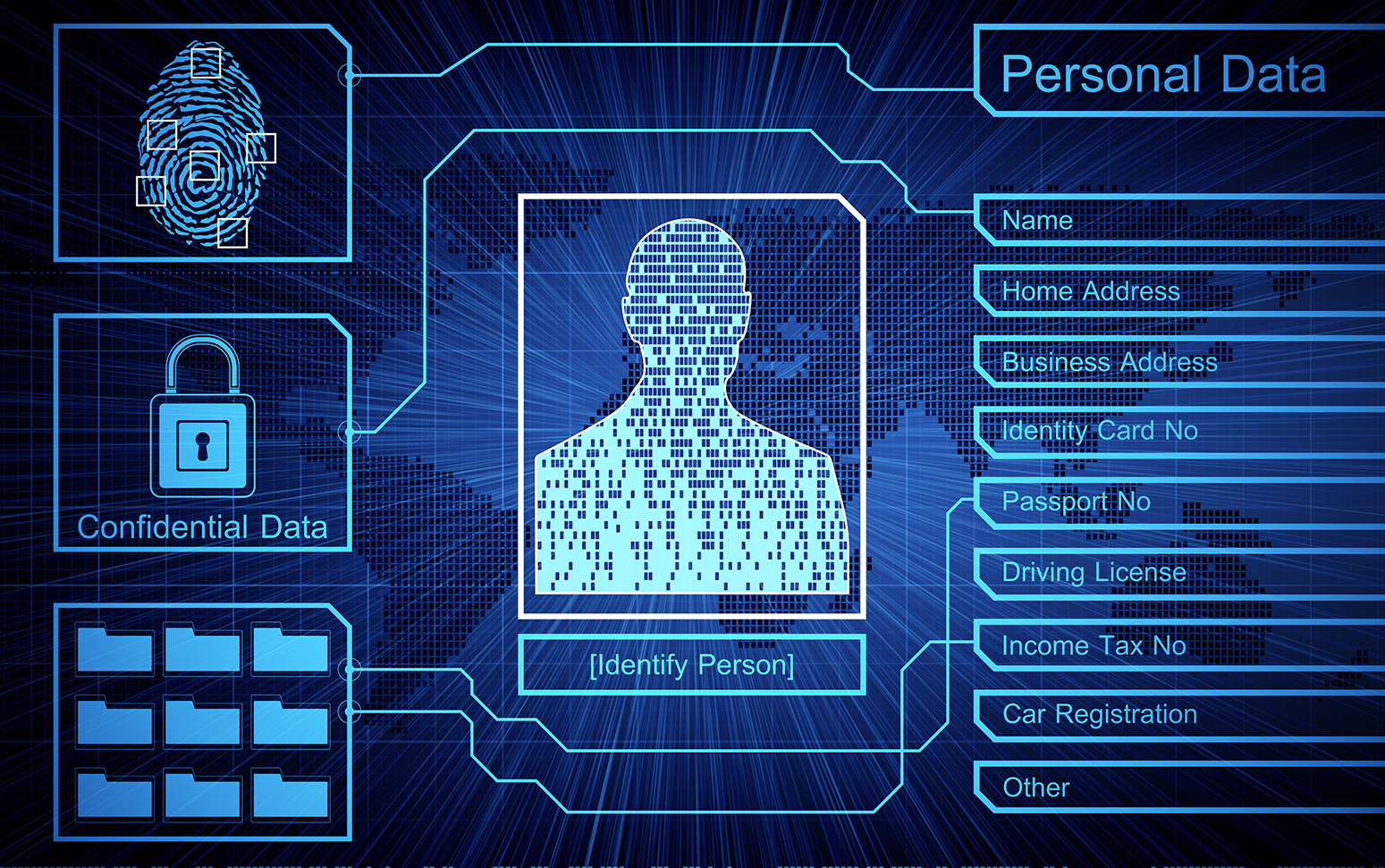
With the increasing number of cyber attacks and data breaches, it's essential to understand the risk of hackers accessing your personal information. Your online accounts, computer, and phone hold a lot of sensitive and valuable information. This includes financial information, health data, and personal habits.
In today's hyperconnected world, cybercriminals have more opportunities than ever to access sensitive information. From social media to online banking, hackers can use advanced tools and personal information leaked in data breaches to target victims. However, you can stay safe by following a few security measures.
Common Ways Hackers Try to Steal Personal Information
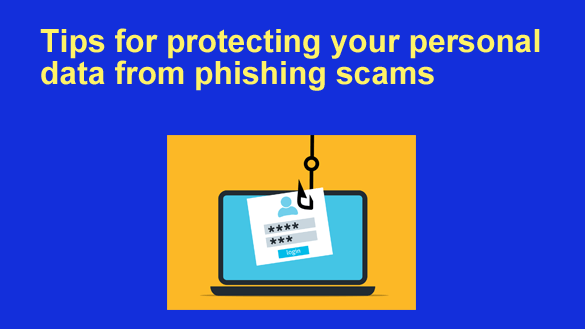
There are two main ways hackers may try to get your personal information. One way is to try to obtain information directly from an Internet-connected device by installing spyware. This type of malware sends information from your device to others without your knowledge or consent.
Here are some common ways hackers install spyware:
- Tricking you into opening spam email or attachments
- Clicking on links or images in spam emails or on the web
- Installing software or apps from unknown sources
Protecting Your Personal Information from Hackers
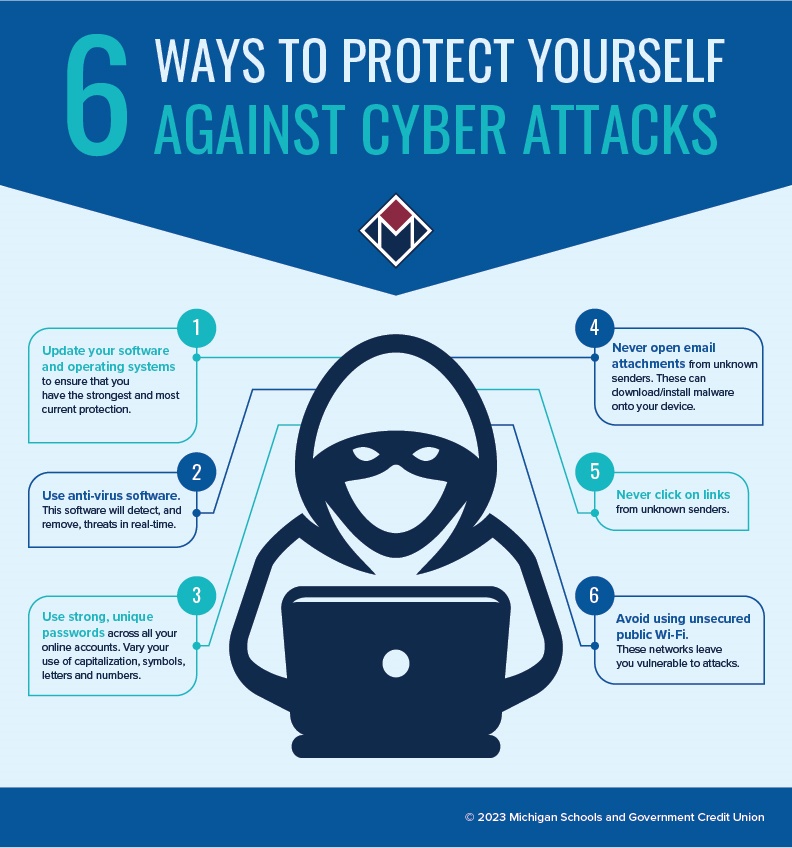
Protecting your personal information from hackers is not about paranoia - it's about awareness, discipline, and understanding how digital systems work. The good news is that many cyber attacks succeed not because hackers are extraordinarily sophisticated, but because basic protections are missing.
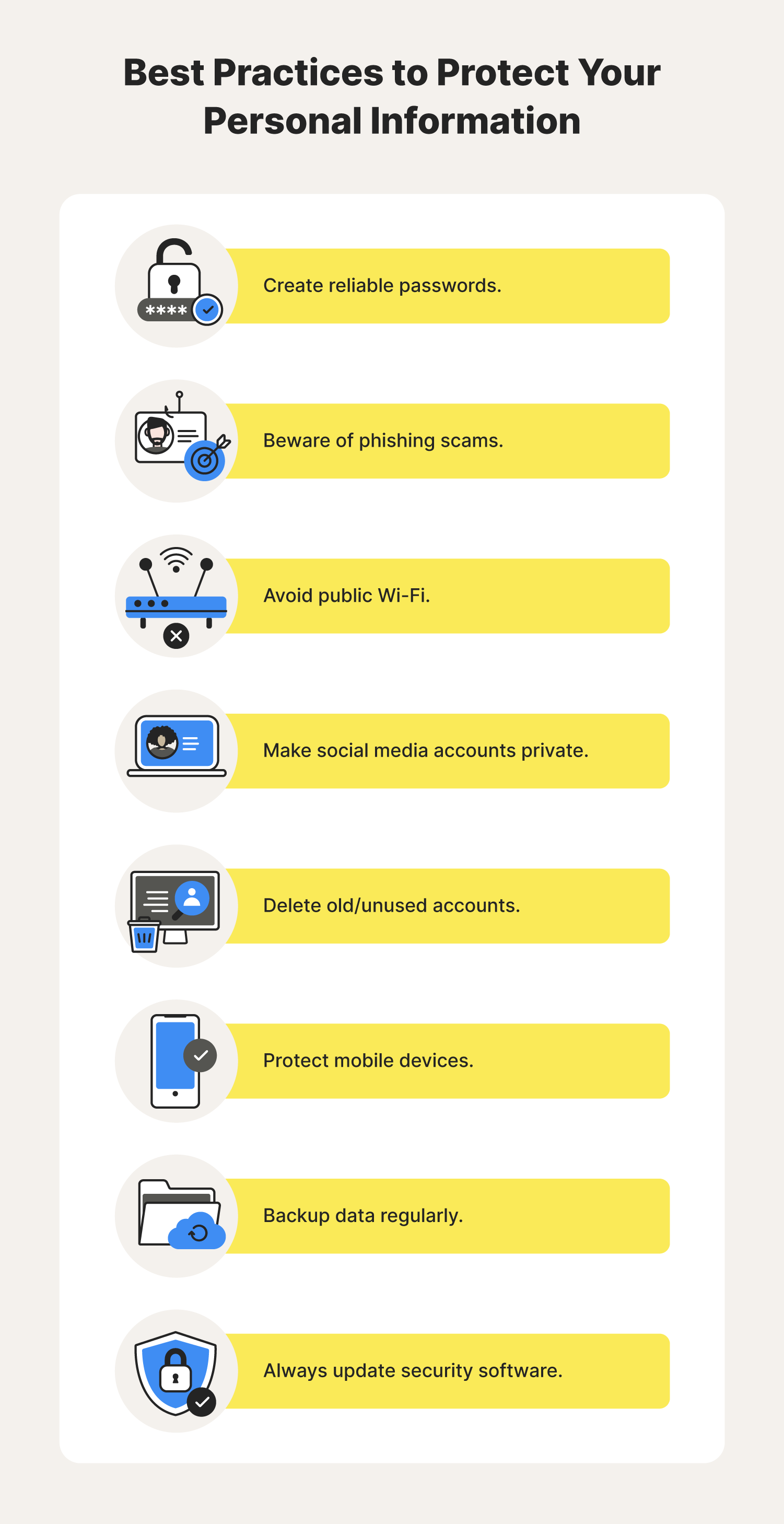
Here are some essential data breach prevention tips to protect your personal information:
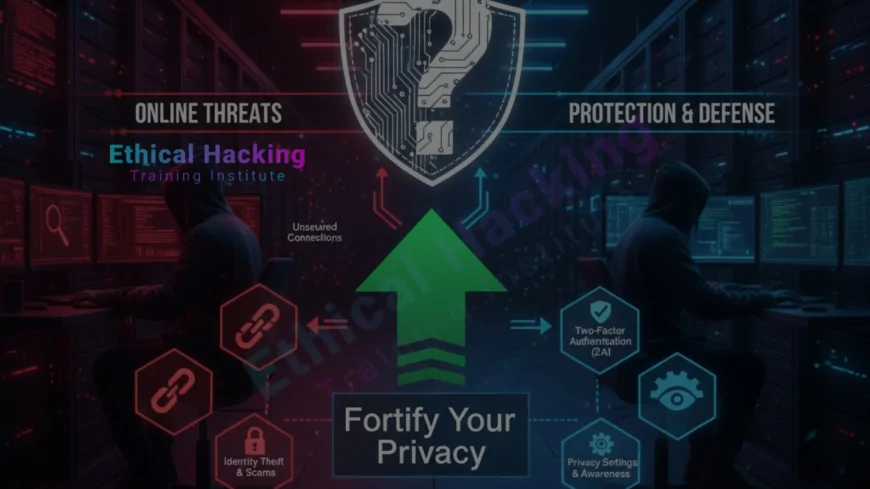
- Use two-factor authentication to protect your accounts from unauthorized access
- Avoid public Wi-Fi and use a VPN to encrypt your internet traffic
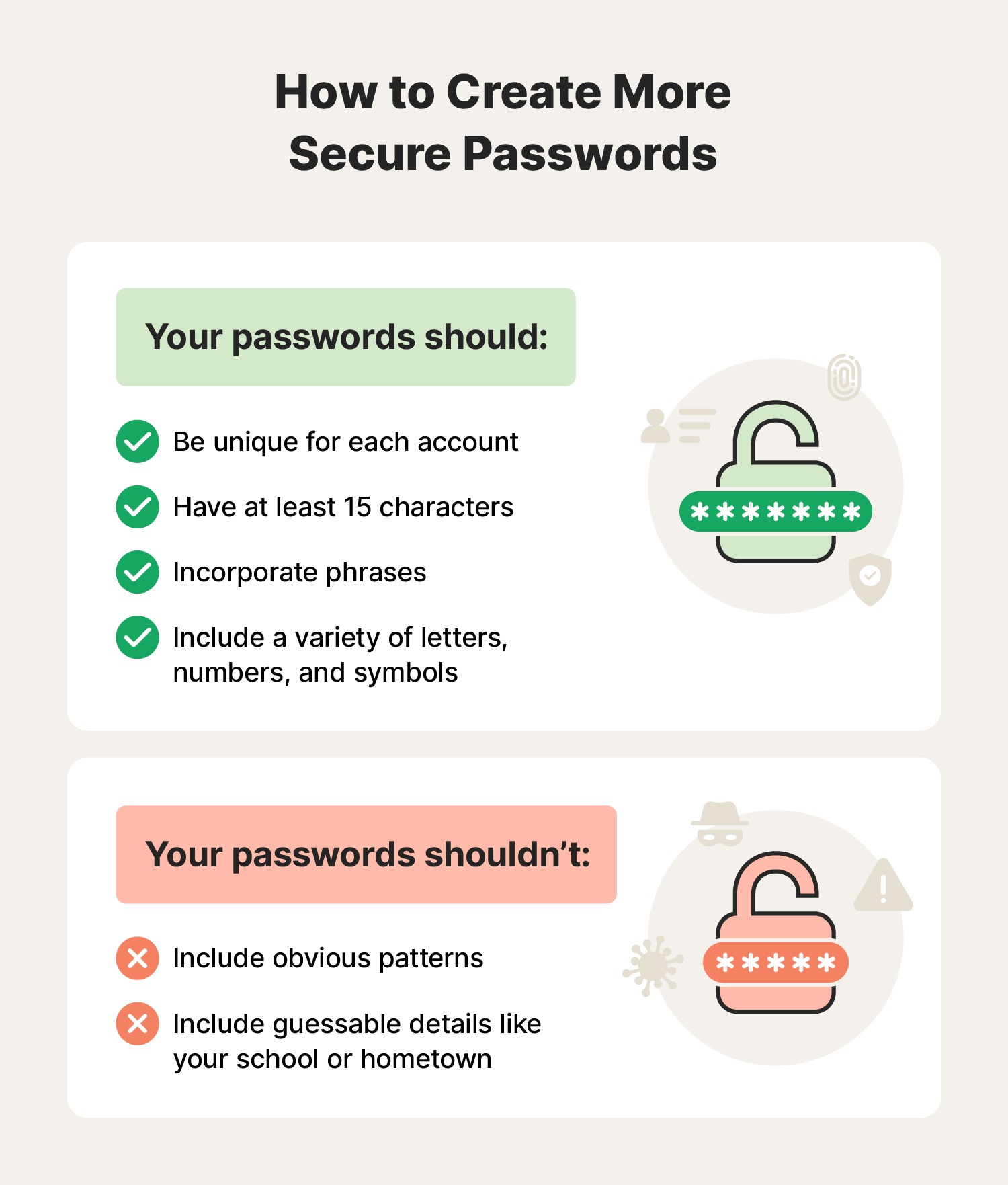
- Use strong and unique passwords for each of your accounts
- Install antivirus software and keep it up-to-date
- Avoid oversharing on social media and limit the amount of information you share
- Check website security before entering sensitive information
- Remove information from data brokers and limit the amount of data they collect
Additional Tips to Protect Your Personal Information
Here are some additional tips to protect your personal information:
- Use a passcode to lock your phone and protect your data
- Set your phone to lock automatically after a period of inactivity
- Use a VPN to encrypt your internet traffic when using public Wi-Fi
- Keep your software and devices up-to-date with the latest security patches
- Use a secure browser and disable tracking cookies
Conclusion
Protecting your personal data from hackers requires a combination of awareness, discipline, and understanding of digital systems. By following the tips outlined in this article, you'll be able to reduce the risk of a data breach and safeguard your personal information from malicious actors.
Remember, your personal information is valuable, and it's essential to take steps to protect it. By staying informed and following best practices for online security, you can reduce the chances of your online accounts getting breached and keep your personal information safe from hackers.