Mastering the Art of PC Board Micro Soldering: A Comprehensive Guide
The Basics of PC Board Soldering
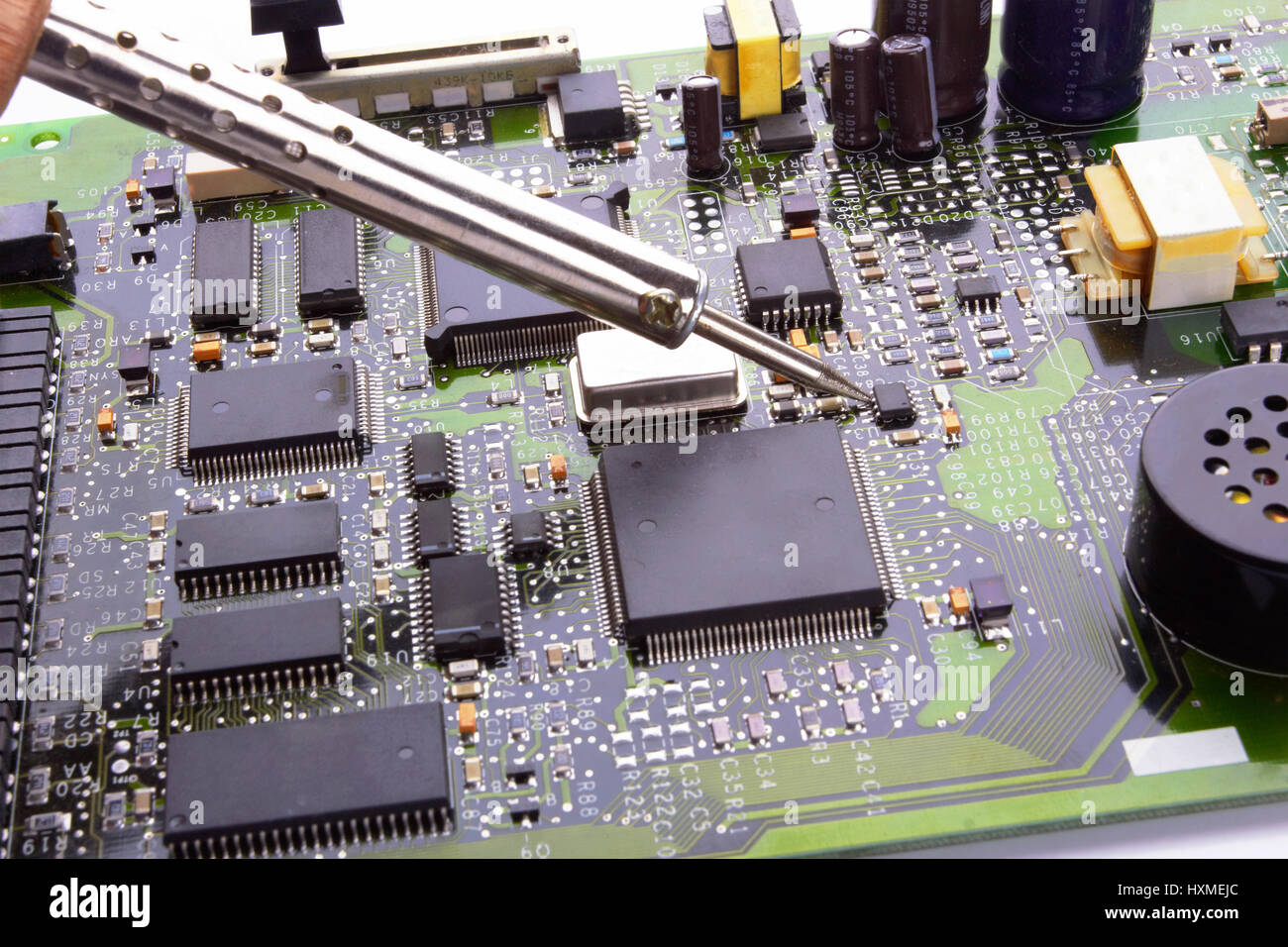
PC board soldering is the process of joining electronic components to a printed circuit board (PCB) using a metal alloy called solder. This process creates both an electrical connection and a mechanical bond, ensuring that the components stay in place and function properly within the circuit. The importance of proper PC board soldering cannot be overstated, as it is critical for the reliability and performance of electronic devices.The Limits of Through-Hole Soldering
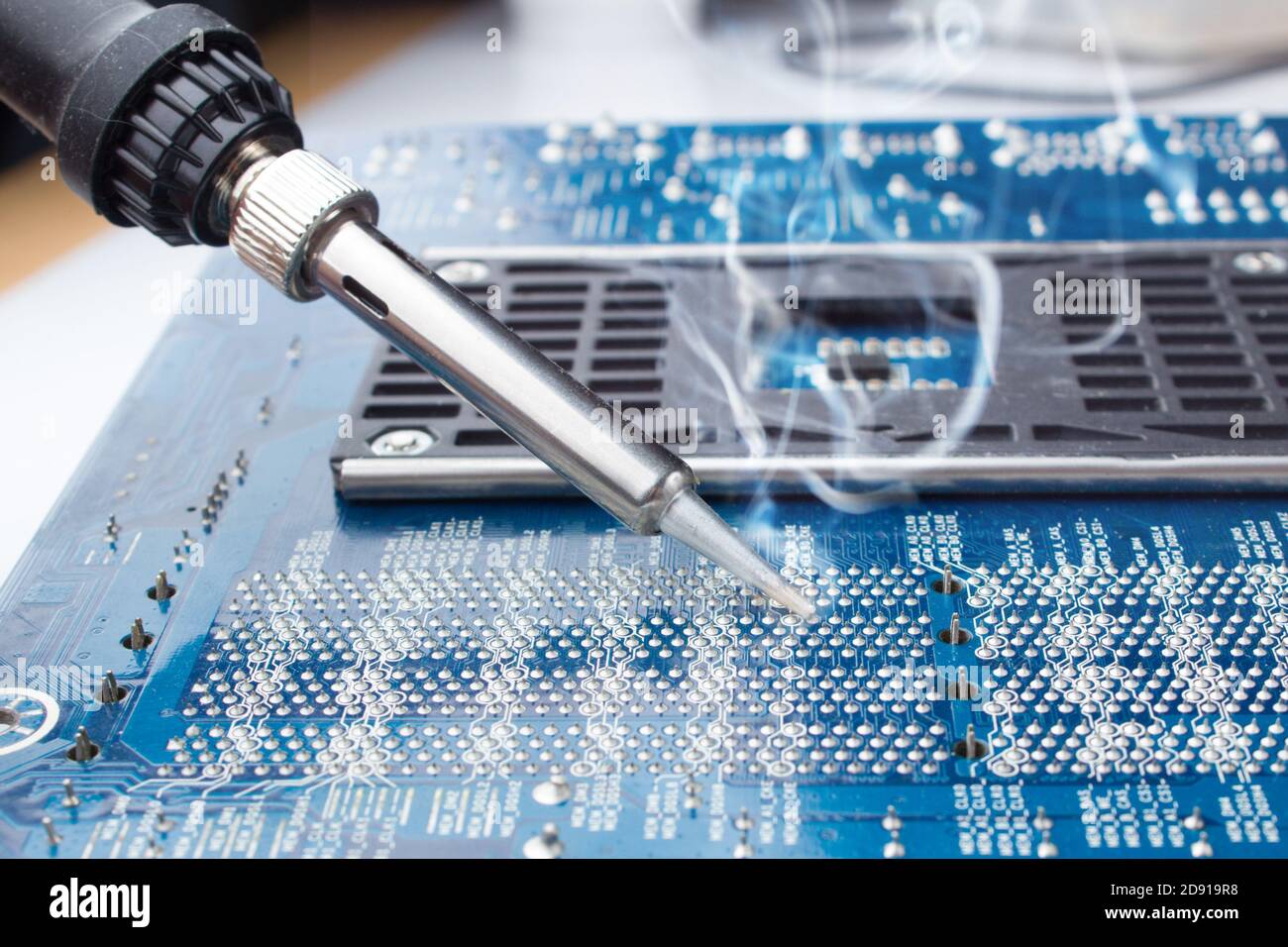
The most basic version of soldering is called through-hole soldering—because you put a wire through a hole in a printed circuit board (PCB), then secure it with a little bead of solder. With some basic through-hole experience, you can fix speakers and guitar jacks and Xbox controllers. But through-hole soldering has its limits. As electronic devices become more complex and compact, through-hole soldering is no longer sufficient.What is Micro Soldering?
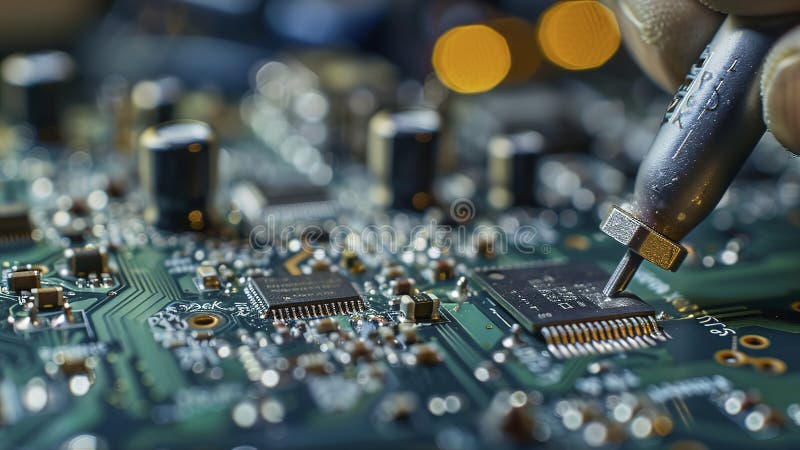
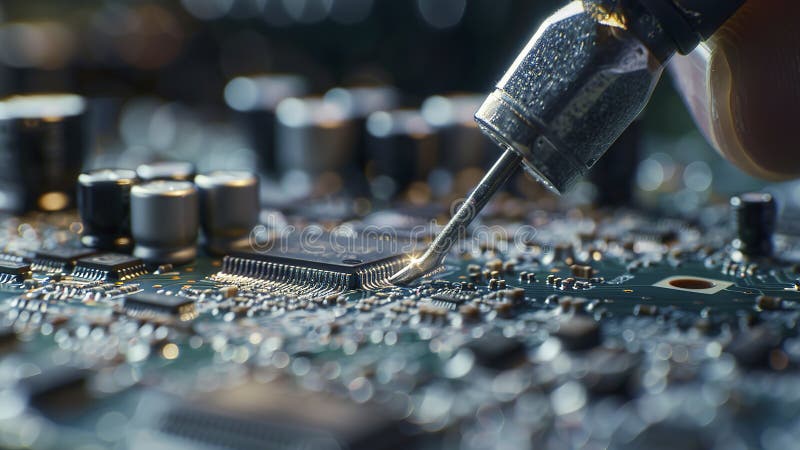
Micro soldering is a process for soldering ultra-small components on PCBs using special tools and equipment. It requires a steady hand, precision tools, and a keen eye to connect minuscule parts tightly packed onto circuit boards. Micro soldering is the art of fixing things at a microscale, and it's an essential skill for anyone working with electronic devices.Tools and Equipment for Micro Soldering
To perform micro soldering, you'll need specialized tools and equipment, including:- A hot air rework station
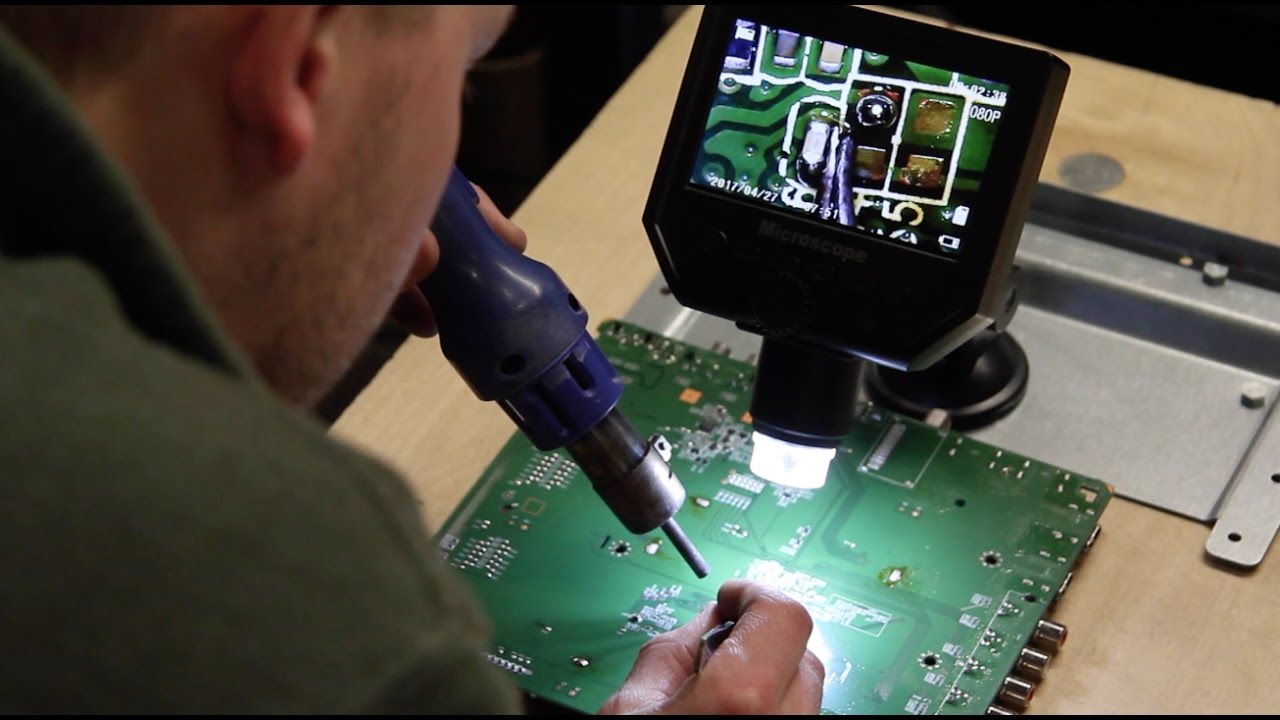
- A microscope or magnification system
- A micro-soldering iron
- Solder flux
- A multimeter

Common Applications of Micro Soldering
Micro soldering involves precise soldering techniques used to repair tiny and delicate components on electronic devices. It's commonly used in:- Cell phone and tablet repairs
- Computer motherboard repairs
- Custom keyboard and other electronic device builds
Best Practices for Micro Soldering
To master micro soldering, follow these best practices:- Use the right soldering iron and flux for the job
- Work in a well-lit and clean environment
- Use a microscope or magnification system to inspect your work
- Apply heat carefully and precisely