Overcoming Nomophobia through Mindfulness Exercises: A Guide to Managing Phone Separation Anxiety
Are you tired of feeling anxious or overwhelmed when you're without your phone? Do you find yourself constantly checking your notifications, feeling a sense of dread when you're unable to access your device? If so, you may be experiencing nomophobia, a specific phobia characterized by anxiety, nervousness, discomfort, and distress when separated from a mobile phone.
What is Nomophobia?
Nomophobia, also known as phone separation anxiety, is a relatively new phenomenon that has emerged in the modern world. It's characterized by an excessive and irrational fear of being without one's mobile phone, often leading to feelings of anxiety, panic, and even physical symptoms such as a racing heart and sweating.
Why Do People Experience Nomophobia?
The constant need for validation through digital means can lead to excessive phone use, fueling nomophobia. Tech dependency, which involves an increasing reliance on digital devices for practical and emotional needs, can also foster a fear of being without one's phone. Additionally, the social media culture we live in today often perpetuates the idea that we must be constantly connected to stay relevant and up-to-date, further exacerbating phone separation anxiety.
Overcoming Nomophobia through Mindfulness Exercises
Fortunately, there are effective ways to manage and overcome nomophobia, including mindfulness exercises. By anchoring yourself in the present moment and becoming more aware of your thoughts and emotions, you can learn to manage your phone separation anxiety and improve your mental and physical well-being.
Mindfulness Exercises for Nomophobia
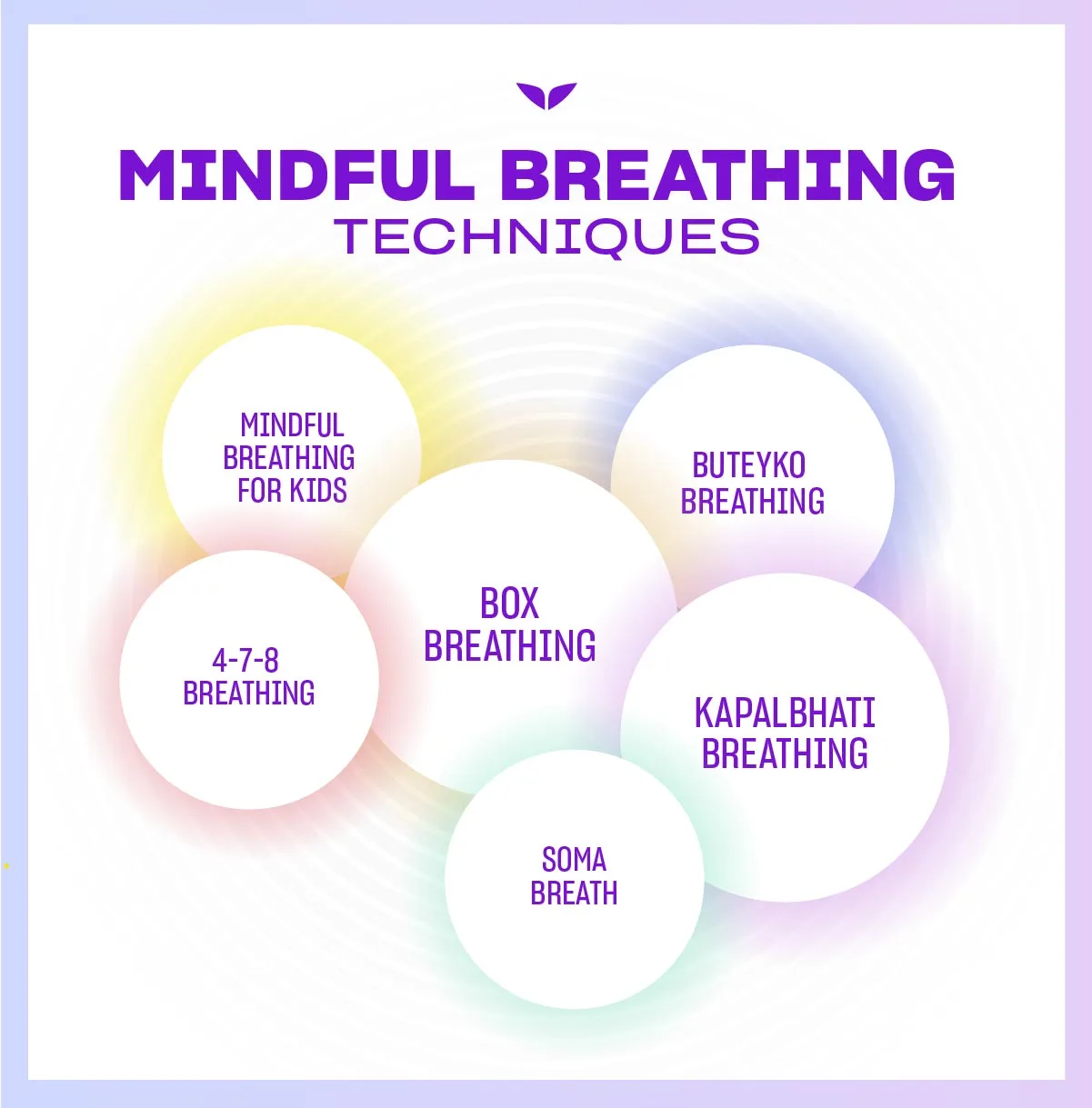
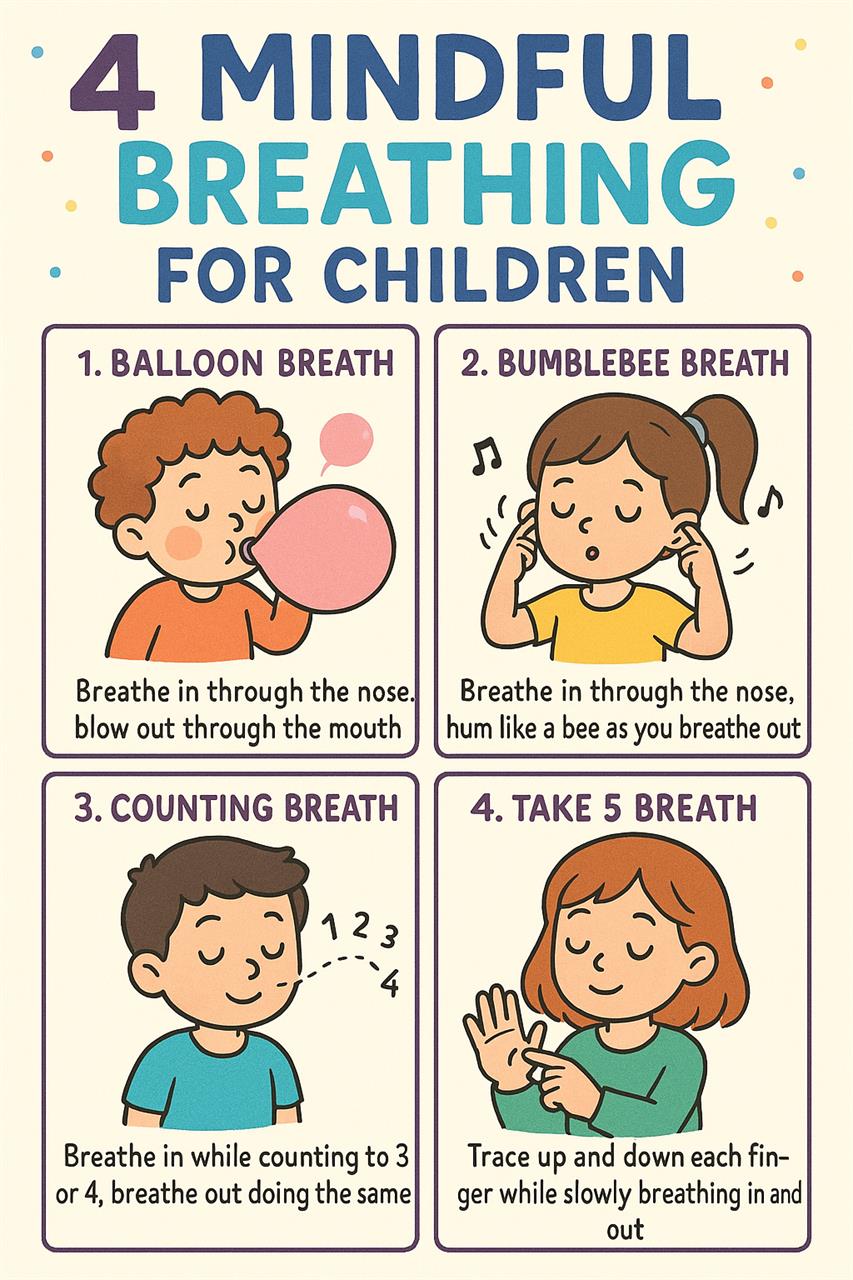
1. Deep Breathing
Deep breathing is a simple yet effective technique for reducing anxiety and promoting relaxation. By focusing on your breath, you can calm your mind and body, reducing feelings of phone separation anxiety.
2. Body Scan

A body scan involves lying down or sitting comfortably and bringing your attention to different parts of your body, starting at your toes and working your way up to the top of your head. This technique can help you become more aware of your physical sensations and release tension in your body, reducing anxiety related to phone separation.
3. Mindful Walking
Mindful walking involves paying attention to your feet touching the ground, the sensation of your feet in your shoes, and the movement of your legs as you walk. This technique can help you become more grounded and present in the moment, reducing feelings of anxiety related to phone separation.
4. Loving-Kindness Meditation
Loving-kindness meditation involves repeating phrases such as "May I be happy, may I be healthy, may I be at peace" to cultivate feelings of kindness, compassion, and understanding towards yourself and others. This technique can help you develop a more positive and loving relationship with yourself and others, reducing phone separation anxiety.
5. Grounding Techniques
Grounding techniques involve using your senses to bring yourself back to the present moment. For example, you might focus on the sensation of your feet on the ground, the sounds around you, or the sensation of the air on your skin. This technique can help you become more aware of your surroundings and reduce feelings of anxiety related to phone separation.
Conclusion
Nomophobia is a real and debilitating condition that can have a significant impact on one's mental and physical well-being. However, by incorporating mindfulness exercises into your daily routine, you can learn to manage and overcome phone separation anxiety. Remember, the key to overcoming nomophobia is to become more aware of your thoughts, emotions, and physical sensations, and to cultivate a more positive and loving relationship with yourself and others.
Get Started with Mindfulness Exercises Today!
Try incorporating one or more of the mindfulness exercises listed above into your daily routine. With regular practice, you can develop greater awareness, reduce anxiety related to phone separation, and improve your overall mental and physical well-being.