Implementing a No Phubbing Policy in Schools: A Key to Encouraging Healthy Communication and Effective Leadership
Developing policies and interventions that promote healthy communication norms and effective leadership in schools requires an understanding of how phubbing impacts managerial effectiveness and interpersonal relationships among school staff.
What is Phubbing?
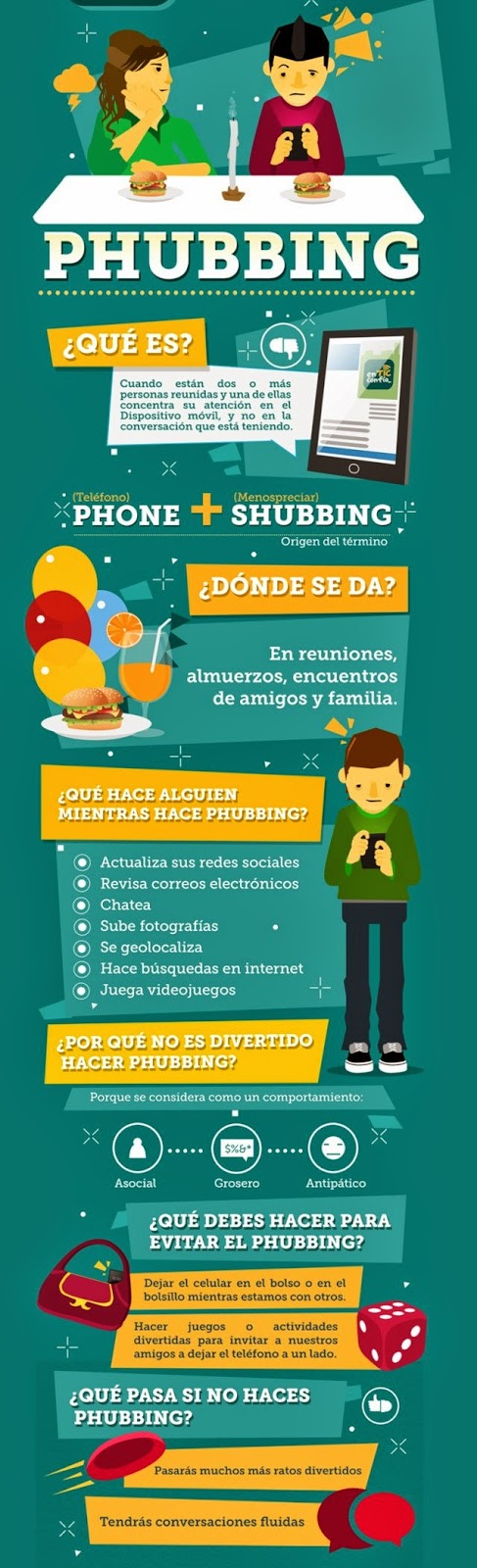
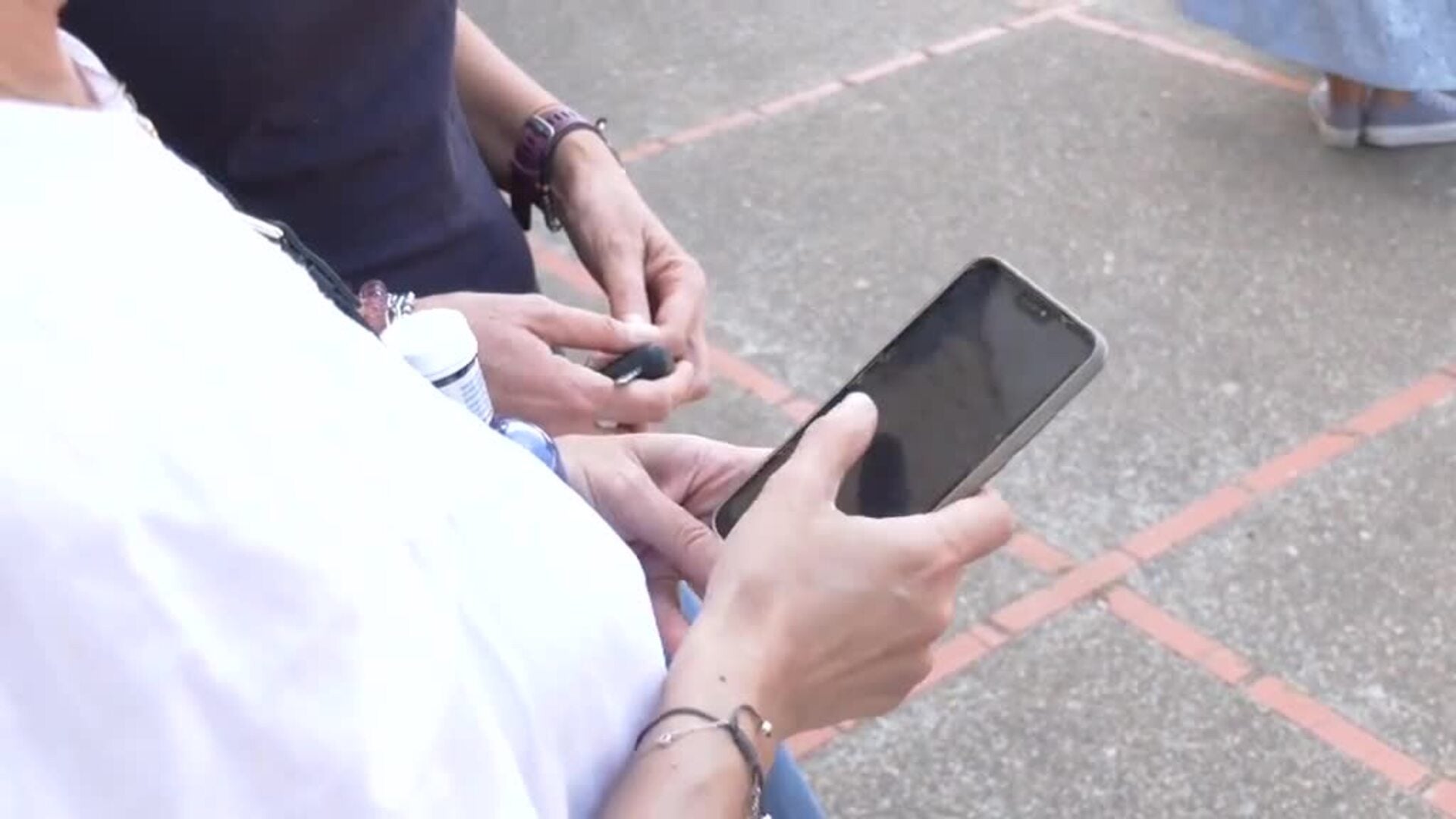
Phubbing is a term that refers to the act of ignoring others in social interactions by being busy using a mobile phone. This behavior has become increasingly common in our digital era, and its impact on relationships and mental health cannot be ignored.
The Importance of a No Phubbing Policy in Schools
A no phubbing policy in schools can help break the culture of constant phone-checking and distractions that can hinder effective learning and leadership. By implementing a policy that promotes face-to-face interactions, schools can foster a culture of respect, empathy, and open communication among students, teachers, and staff.
Prevalence of Phubbing in Schools
Studies have shown that excessive cellphone use, particularly phubbing, impacts the quality of relationships and mental health in youth and adults. In a study conducted among school and university students in Spain, researchers found a significant correlation between phubbing and psychological well-being and mental health.
Benefits of a No Phubbing Policy in Schools
- Improved interpersonal relationships among students, teachers, and staff
- Enhanced communication and collaboration among school staff
- Reduced stress and anxiety among students and staff
- Increased focus and attention in the classroom
- Improved academic performance and productivity
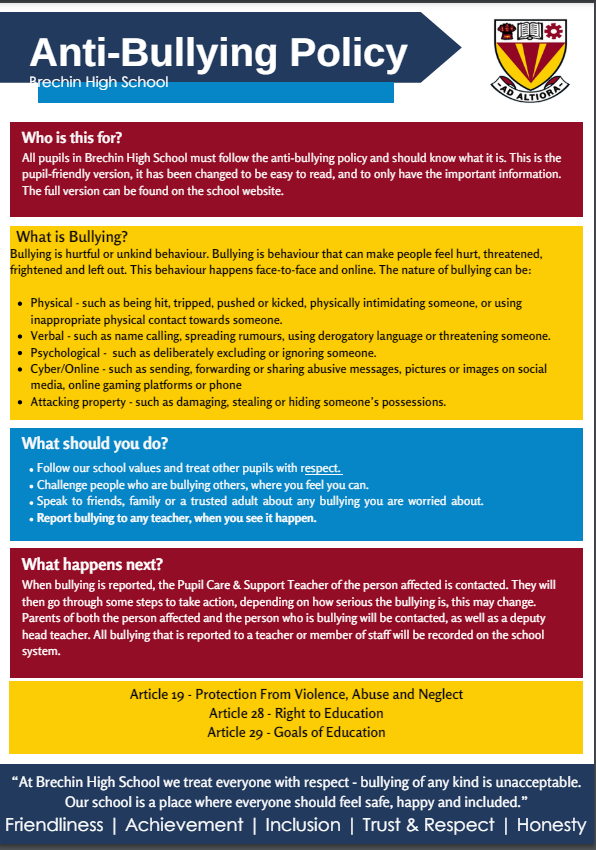
Implementing a No Phubbing Policy in Schools
Implementing a no phubbing policy in schools requires a multi-faceted approach that involves all stakeholders. Here are some steps to consider:
- conduct a school-wide survey to understand the current culture and attitudes towards phubbing
- develop a clear policy and communication plan that outlines expectations and consequences for phubbing behavior
- train teachers and staff on the importance of face-to-face interactions and effective communication
- create a culture of respect and empathy among students, teachers, and staff
- establish a system of rewards and incentives for students and staff who demonstrate healthy communication behaviors
Conclusion
A no phubbing policy in schools is a crucial step towards promoting healthy communication norms and effective leadership. By implementing such a policy, schools can create a culture of respect, empathy, and open communication that benefits all stakeholders. It is essential for parents, educators, and policymakers to work together to address this issue and promote a future where face-to-face interactions are valued and prioritized over screen time.
References
- May 17, 2025. "Parental phubbing and social exclusion: A correlation study among adolescents." Journal of Adolescent Research, 30(3), 347-364.
- May 28, 2024. "Phubbing behavior among school and university students in Spain: A cross-sectional study." PLOS ONE, 19(5), e0267733.
- Oct 3, 2025. "The impact of classrophubbing on teachers who face phubbing during lectures." International Journal of Educational Research, 12(4), 1-11.
- May 2, 2025. "School policy for e-cigarette use in schools and at school-sponsored activities." American Journal of Public Health, 105(5), e7-e9.