Job Search Tips for People with a Strong Electronic Design Skill
The electronic design industry is rapidly growing, and with the rise of the Internet of Things (IoT), electronics engineers are in high demand. To stand out in this competitive job market, it's essential to have the right skills and knowledge. In this article, we'll explore the most effective ways to find a job in electronic engineering, build key skills, create a strong portfolio, and use top job boards to advance your career.
Why is Electronic Design in High Demand?
Electronic engineering is a dynamic field that plays a vital role in modern technology. From designing circuits to working with microcontrollers, electronics engineers create innovations that power everything from consumer gadgets to industrial automation. The increasing demand for electronics engineers is driven by the rapid growth of technology, and the need for experts who can design and develop complex electronic systems.
Job Search Tips for People with a Strong Electronic Design Skill
Tip 1: Build Key Skills
To succeed in electronic engineering, you need to have a combination of technical expertise, problem-solving skills, and strong communication skills. Some of the most in-demand skills for electronics engineers include:
- Schematic capture skills: This involves using computer software to create diagrams that show how different components in a circuit are connected.
- Programming skills: Proficiency in programming languages such as C++, Java, and Python is essential for electronics engineers.
- Microcontroller expertise: Knowledge of microcontrollers and their applications is crucial for designing and developing electronic systems.
- System design skills: Electronics engineers need to have a strong understanding of system design principles and be able to design complex electronic systems.
Tip 2: Create a Strong Portfolio
Having a strong portfolio is essential for electronics engineers, as it showcases your skills and experience to potential employers. A well-curated portfolio can help you stand out from the competition and increase your chances of getting hired. To create a strong portfolio, focus on:
- Highlighting your technical skills: Showcase your expertise in areas such as schematic capture, programming, and microcontroller design.
- Sharing your projects: Share your personal projects and demonstrate your ability to design and develop electronic systems.
- Including certifications and awards: Highlight any relevant certifications or awards you've received in the field.

Tip 3: Use Top Job Boards
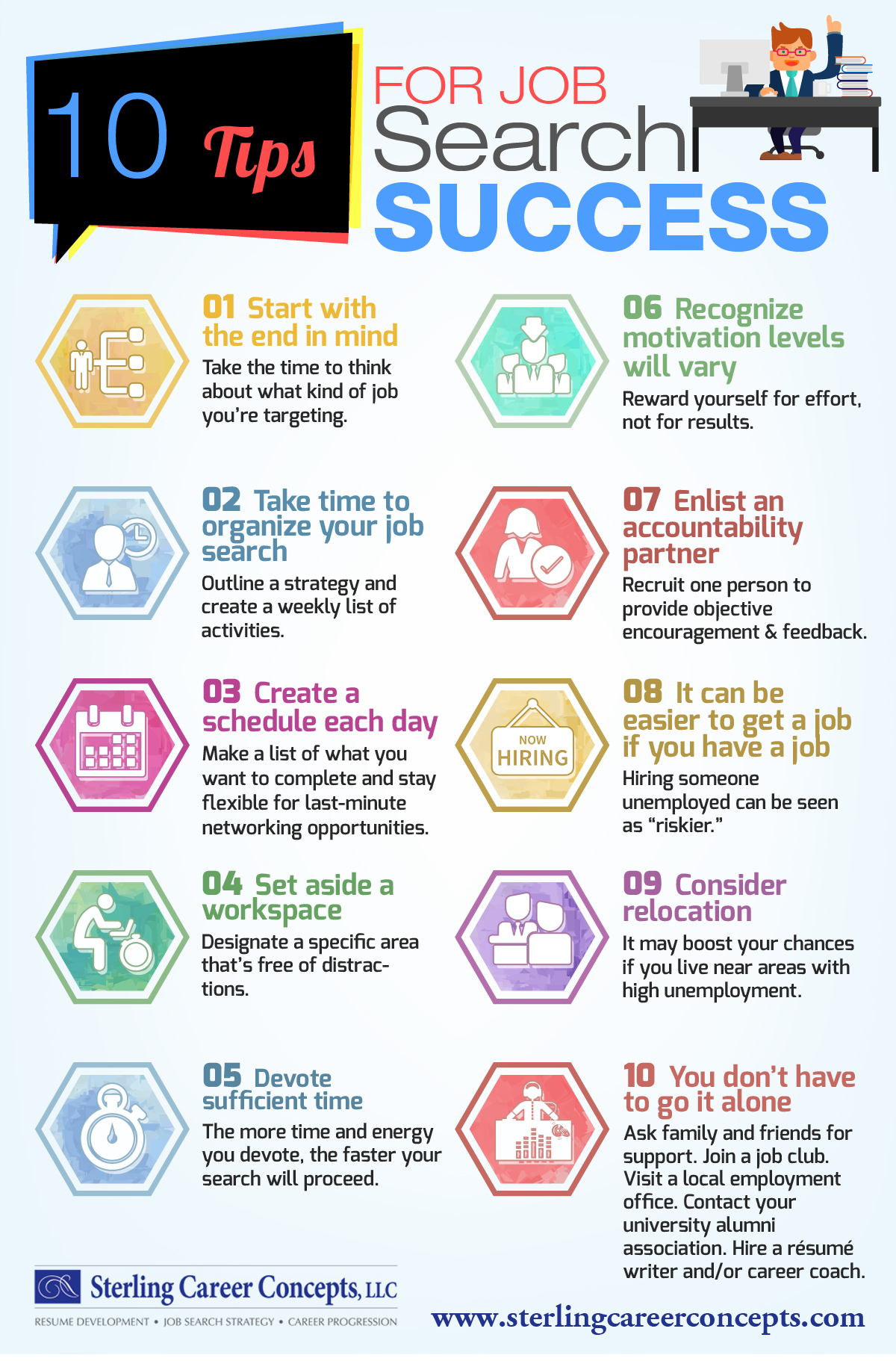
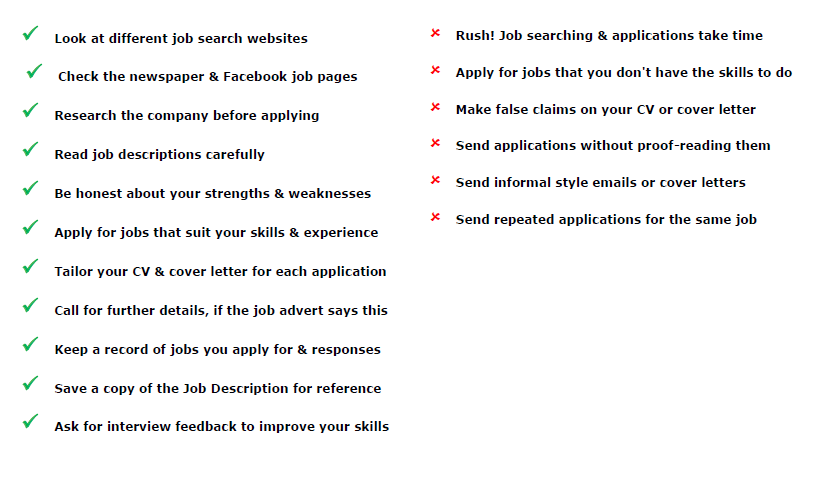
There are many job boards and websites that cater to electronics engineers. Some of the top job boards include Indeed, LinkedIn, and Glassdoor. To increase your chances of getting hired, tailor your resume and cover letter to the job description and use keywords from the job posting. You can also use job boards to search for job openings and apply to relevant positions.
Conclusion
Job searching for electronics engineers requires a combination of technical skills, a strong portfolio, and the right job boards. By following these tips, you can increase your chances of getting hired and advancing your career in electronic engineering.
Additional Tips and Resources
Possessing a strong electronic design skill, stay ahead of the curve by building your network, learning new skills, and continuously improving yourself. Some additional tips and resources include:
- Staying up-to-date with industry trends and developments.
- Participating in online communities and forums related to electronics engineering.
- Attending conferences and seminars to network with other engineers and learn about new technologies.
- Utilizing tools and resources such as Tinkercad, KiCad, and Autodesk Eagle to improve your design skills.
Summary
Job searching for electronics engineers requires a combination of technical skills, a strong portfolio, and the right job boards. By following these tips, you can increase your chances of getting hired and advancing your career in electronic engineering.