How to Sleep Quickly: Tips and Tricks to Fall Asleep Fast
Sleeping quickly can be a challenge for many people, but with the right techniques and strategies, it's possible to fall asleep fast and wake up feeling refreshed and rejuvenated. In this article, we'll explore the various ways to sleep quickly, including relaxation methods, lifestyle changes, and natural remedies.
Understanding the Importance of Sleep
Sleep is a crucial part of our daily lives, playing a vital role in physical and mental health. During sleep, our bodies repair and recharge, and our minds process and consolidate memories. Getting enough sleep is essential for overall well-being, and most healthy adults need 7-9 hours of sleep per night.
How Long Should You Take to Fall Asleep?
The amount of time it takes to fall asleep can vary from person to person, but most healthy adults should be able to fall asleep within 10-20 minutes. If you find yourself consistently struggling to fall asleep or waking up during the night, it may be worth speaking with a healthcare professional to rule out any underlying sleep disorders.
Relaxation Methods for Falling Asleep Quickly
There are many relaxation techniques that can help you fall asleep quickly, including:
- Meditation: Regular meditation practice can help calm the mind and body, making it easier to fall asleep.
- Deep Breathing: Deep breathing exercises can help slow down your heart rate and promote relaxation.
- Progressive Muscle Relaxation: This technique involves tensing and relaxing different muscle groups to release physical tension.
- Yoga: Practicing gentle yoga stretches can help calm the mind and body.
- Journaling: Writing down your thoughts and feelings can help clear your mind and process emotions.

Lifestyle Changes for Better Sleep
Making a few simple lifestyle changes can also help you sleep more quickly. These include:
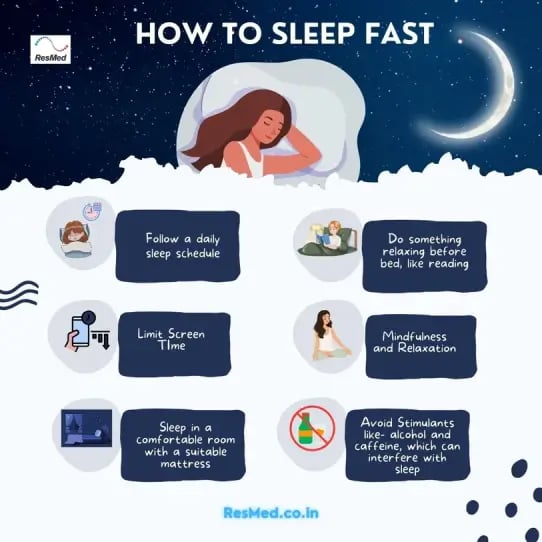
- Establishing a consistent sleep schedule: Go to bed and wake up at the same time every day, including weekends.
- Creating a sleep-conducive environment: Make your bedroom a sleep haven by ensuring it's dark, quiet, and cool.
- Exercise regularly: Regular physical activity can help improve sleep quality, but avoid vigorous exercise within a few hours of bedtime.
- Avoiding screens before bed: The blue light emitted from screens can suppress melatonin production, making it harder to fall asleep.
- Eating a balanced diet: A healthy diet that includes plenty of fruits, vegetables, and whole grains can help support better sleep.
Natural Remedies for Falling Asleep Quickly
There are many natural remedies that can help you fall asleep quickly, including:
- Melatonin supplements: Melatonin is a hormone that regulates sleep-wake cycles, and taking a supplement can help promote relaxation and sleep.
- Tryptophan-rich foods: Tryptophan is an amino acid that's converted into serotonin and melatonin in the brain, making it a natural sleep aid.
- Lavender oil: Lavender oil has a calming effect on the mind and body, making it easier to fall asleep.
- Valerian root: Valerian root is a natural sedative that can help promote relaxation and improve sleep quality.
Conclusion
Sleeping quickly is a skill that can be developed with practice and patience. By incorporating relaxation techniques, making lifestyle changes, and using natural remedies, you can improve your sleep quality and wake up feeling refreshed and rejuvenated. Remember, it's essential to prioritize sleep and make it a priority in your daily life.