Getting a Job in a Civil Engineering Industry: A Comprehensive Guide
Civil engineering is a highly sought-after profession, with a wide range of job opportunities available in both the public and private sectors. Whether you're a fresh graduate or an experienced professional, getting a job in the civil engineering industry can be a challenging but rewarding experience. In this article, we will provide a comprehensive guide on how to get a job in the civil engineering industry, including the skills required, job types, and industry trends.
Skills Required for Civil Engineering Jobs
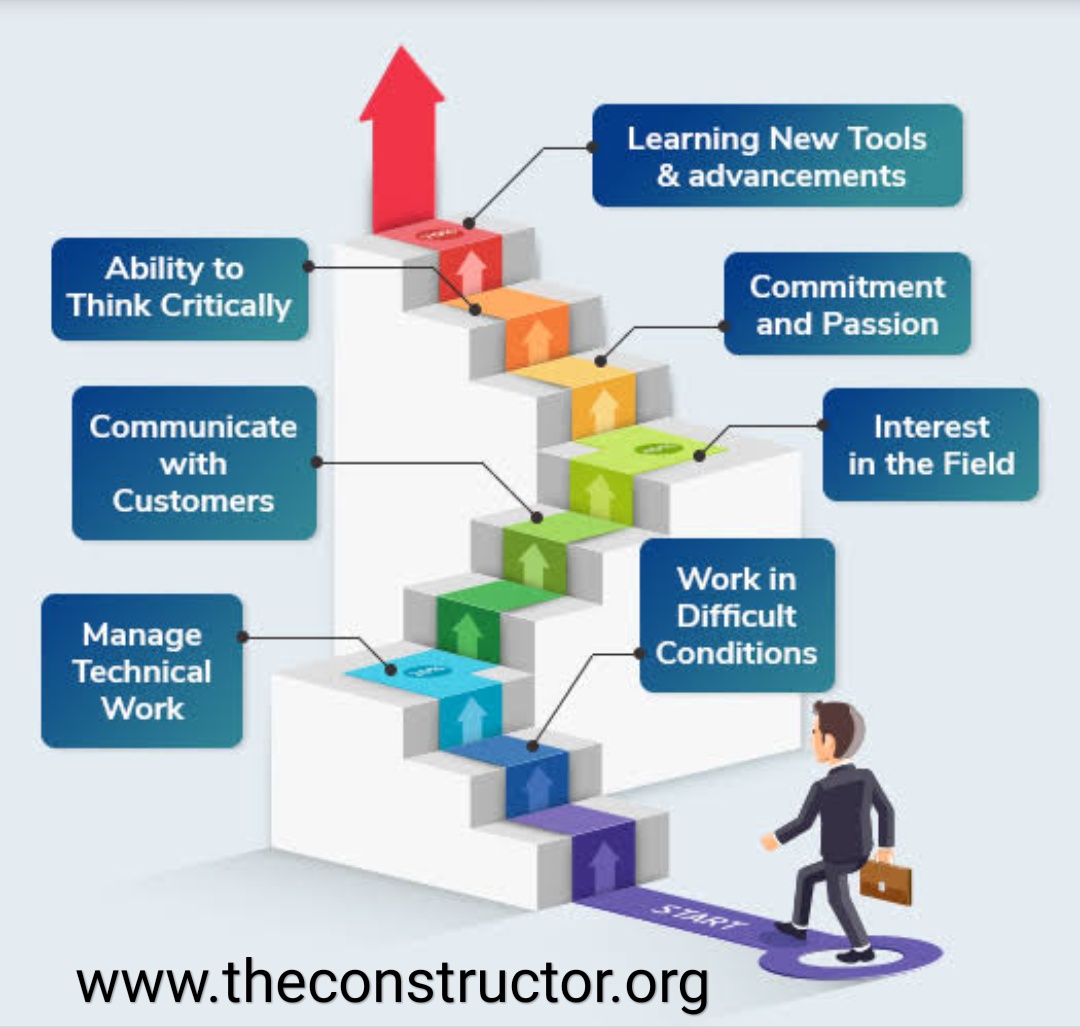
Civil engineers require a combination of technical, business, and communication skills to succeed in their roles. Some of the key skills required for civil engineering jobs include:
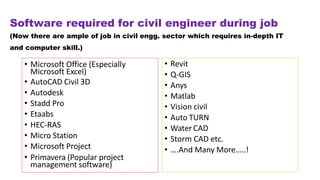
- Technical skills: Proficiency in computer-aided design (CAD) software, geographic information systems (GIS), and project management software.
- Business skills: Understanding of financial management, project scheduling, and risk management.
- Communication skills: Ability to communicate effectively with stakeholders, including clients, contractors, and government officials.
- Problem-solving skills: Ability to analyze complex problems and develop creative solutions.
- Leadership skills: Ability to lead teams and manage projects.
Job Types in Civil Engineering
There are several job types available in the civil engineering industry, including:
- Civil Engineer: Designs and develops infrastructure projects, such as roads, bridges, and buildings.
- Structural Engineer: Designs and develops structural systems, such as foundations, walls, and roofs.
- Construction Manager: Oversees the construction process, including project scheduling, budgeting, and resource allocation.
- Project Manager: Coordinates and manages multiple projects, including civil engineering, architecture, and construction.
- Urban Planner: Develops plans for urban development, including land use, transportation, and infrastructure.
Industry Trends in Civil Engineering
The civil engineering industry is constantly evolving, with new technologies and trends emerging regularly. Some of the current industry trends include:

- Use of Building Information Modelling (BIM): A digital representation of the physical and functional characteristics of a building or infrastructure project.
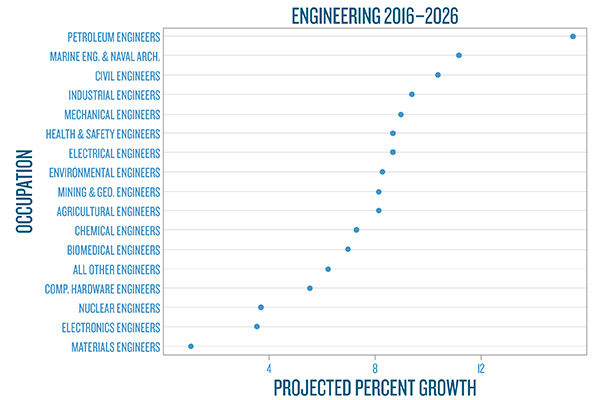
- Infrastructure Development: Growing demand for infrastructure development, including roads, bridges, and public transportation systems.
- Sustainability: Increasing focus on sustainable and environmentally friendly infrastructure development.
- Digitalization: Use of digital technologies, such as drones and sensors, to improve project management and monitoring.
Getting a Job in Civil Engineering: Tips and Advice
Getting a job in the civil engineering industry can be competitive, but with the right skills, experience, and networking, you can increase your chances of success. Here are some tips and advice:
- Gain relevant experience: Internships, co-op programs, and part-time jobs can provide valuable experience and build your network.
- Develop your skills: Stay up-to-date with the latest technologies and trends in civil engineering, including BIM, GIS, and project management software.
- Network: Attend industry events, join professional organizations, and connect with experienced civil engineers to build your network.
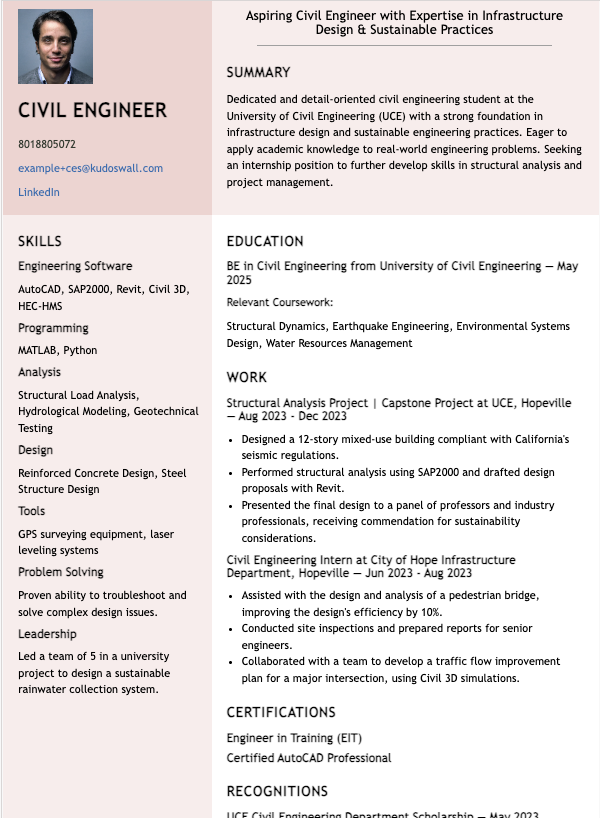
- Tailor your resume and cover letter: Customize your application materials to match the requirements of the job and highlight your relevant skills and experience.
- Practice your interview skills: Prepare for common civil engineering interview questions and practice your responses to increase your confidence and performance.
Conclusion
Getting a job in the civil engineering industry requires a combination of technical, business, and communication skills, as well as relevant experience and networking. By staying up-to-date with industry trends, developing your skills, and tailoring your application materials, you can increase your chances of success in this competitive field. Remember to always practice your interview skills and be prepared to talk about your relevant experience and skills.
Final Thoughts
The civil engineering industry is constantly evolving, with new technologies and trends emerging regularly. As a civil engineer, you will have the opportunity to work on a wide range of projects, from infrastructure development to urban planning. With the right skills, experience, and networking, you can succeed in this rewarding and challenging profession.








![Latest Civil Engineering Jobs and construction Jobs [2026]](https://i.ytimg.com/vi/DpfeRAw_A_c/maxresdefault.jpg "Latest Civil Engineering Jobs and construction Jobs [2026]")