Getting a Job in a Chemical Process Industry: A Comprehensive Guide
The chemical process industry is a vast and exciting field that encompasses a wide range of jobs, from process design and manufacturing to research, environmental management, and entrepreneurship. If you're interested in pursuing a career in this industry, you've come to the right place. In this article, we'll provide a comprehensive guide on getting a job in a chemical process industry, including the various job roles, required skills, and tips for landing a job.
Understanding the Chemical Process Industry
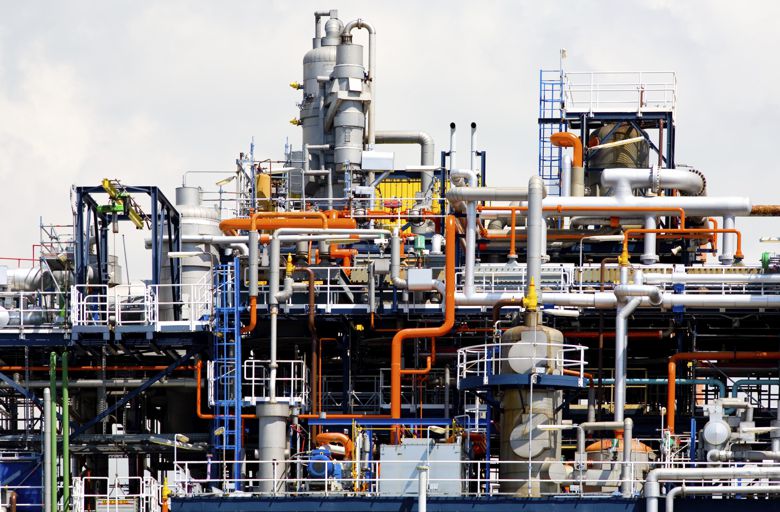
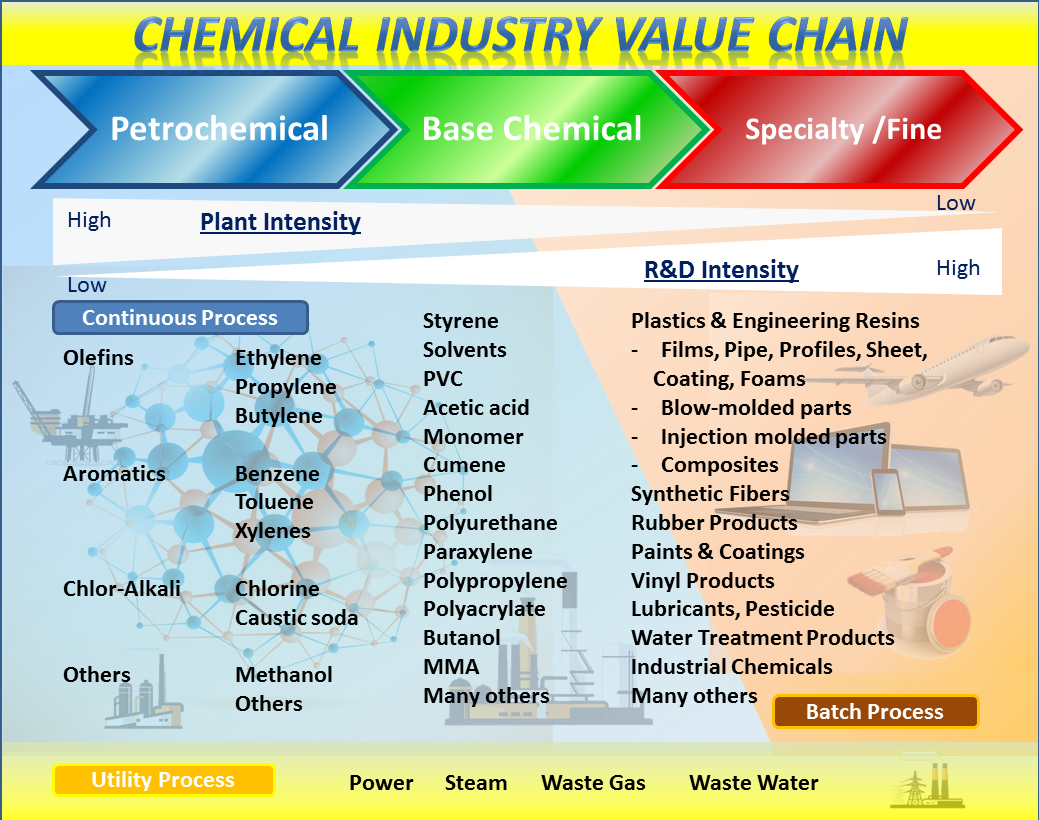
The chemical process industry is a broad term that encompasses various jobs related to chemicals, machines that store, process, and create them, or any other job related to chemical processes. This industry is a significant contributor to the global economy, producing a wide range of products, including chemicals, petrochemicals, and essential industrial products. The industry demands specialized skills and knowledge, making it an exciting and rewarding career path for those interested in science, technology, engineering, and mathematics (STEM).
Job Roles in the Chemical Process Industry
- Chemical Process Engineer: A chemical process engineer designs, optimizes, and oversees processes for the production, transformation, and transport of materials and chemicals. They employ principles from chemistry, physics, mathematics, and engineering to develop efficient processes that convert raw materials into valuable products while ensuring safety and compliance with regulations.
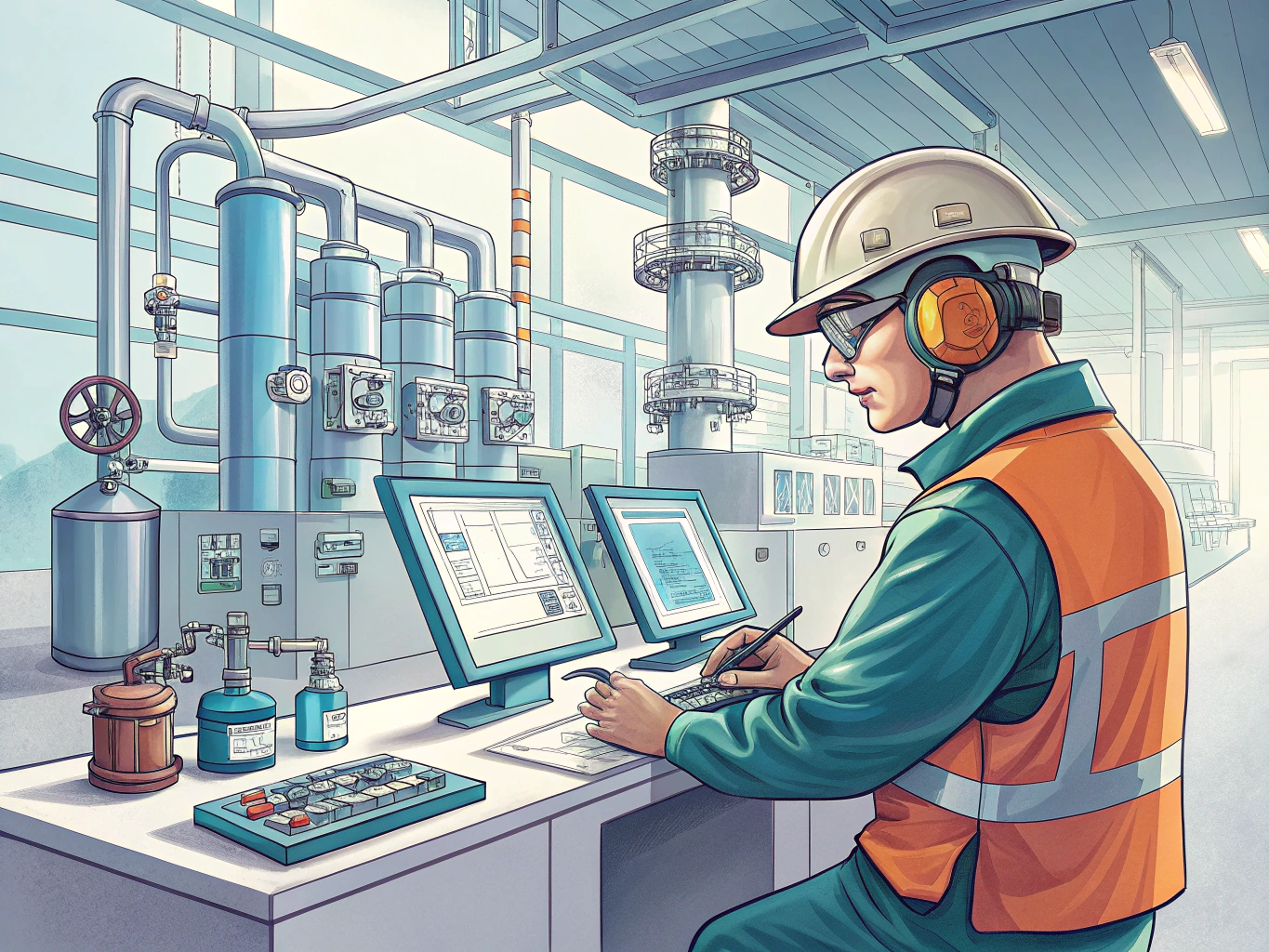
- Chemical Operator: A chemical operator is responsible for monitoring the daily operations of a chemical plant, ensuring safe and efficient output. They work with mechanical and chemical processes to optimize production and troubleshoot any issues that may arise.
- Process Technician: A process technician works in manufacturing and is responsible for maintaining and optimizing equipment, processes, and systems to ensure efficient and safe production. Their job often gets conflated with that of manufacturing technicians, but they possess a distinct set of skills and knowledge.
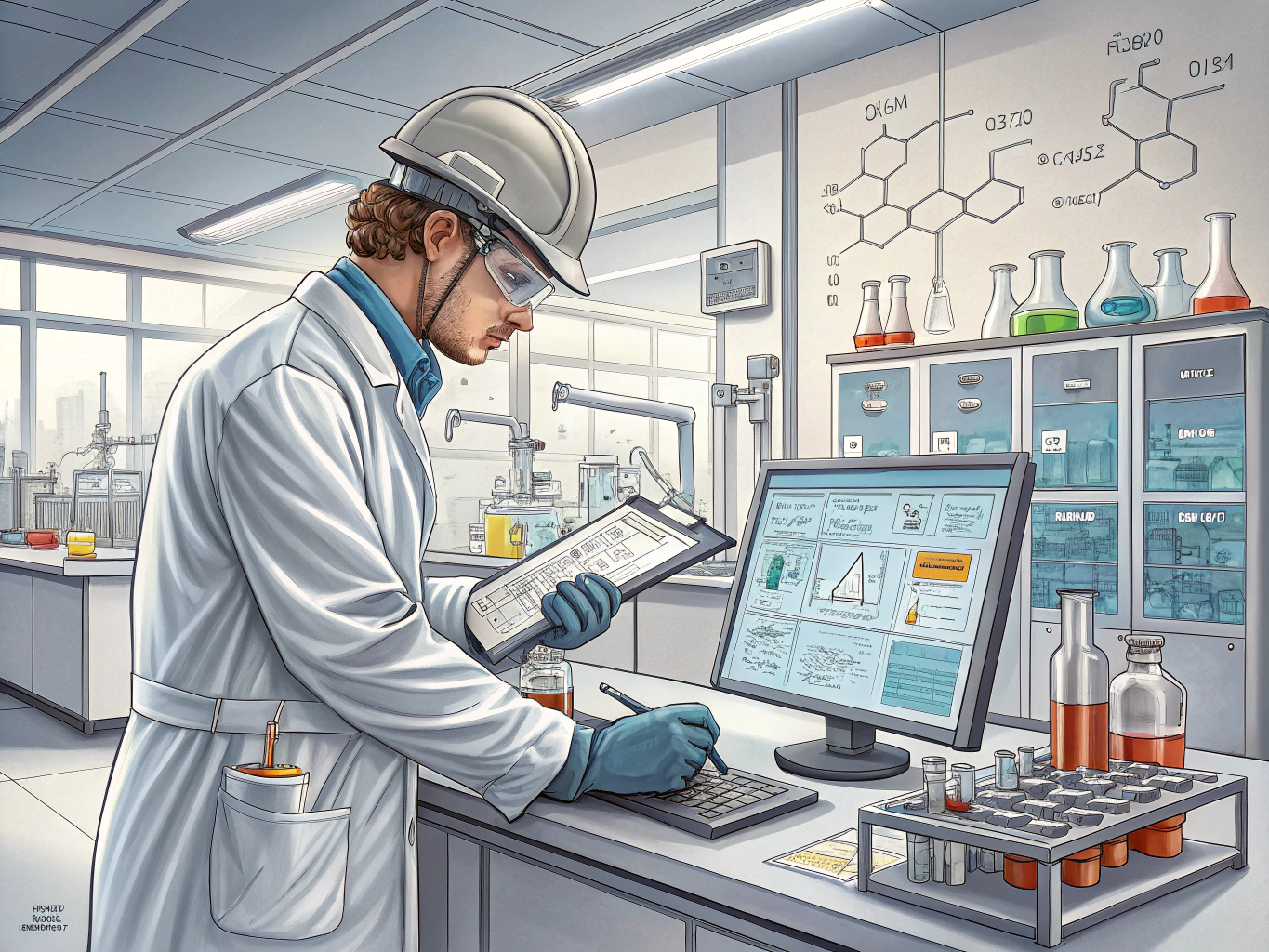
- Chemical Technician: A chemical technician typically needs an associate's degree or 2 years of post-secondary education in applied science or chemical technology. They work in production, quality control, safety, and research in laboratories, handling chemicals, conducting experiments, and running analyses.
Essential Skills for Jobs in the Chemical Process Industry
To succeed in the chemical process industry, you'll need a combination of technical and soft skills. Some of the essential skills include:
- Strong understanding of chemical principles and processes: A solid grasp of chemical reactions, thermodynamics, and other principles is crucial for designing, optimizing, and troubleshooting chemical processes.
- Mathematical and analytical skills: Chemical process engineers and technicians need to be proficient in mathematical modeling, data analysis, and problem-solving to optimize processes and troubleshoot issues.
- Good communication and teamwork skills: Collaboration with colleagues, suppliers, and customers is essential in the chemical process industry. You'll need to communicate effectively and work with others to achieve common goals.
- Adaptability and flexibility: The chemical process industry is constantly evolving, with new technologies, regulations, and market demands emerging regularly. You'll need to be adaptable and flexible to stay up-to-date with the latest developments.
Steps to Get a Job in the Chemical Process Industry
Getting a job in the chemical process industry can be a challenging but rewarding career path. Here are some steps to help you get started:
- Gain relevant education and training: Pursue a degree in chemical engineering, process technology, or a related field to acquire the necessary knowledge and skills.
- Build a strong skill set: Develop a combination of technical and soft skills, including mathematical and analytical skills, communication and teamwork skills, and adaptability and flexibility.
- Network and build connections: Attend industry events, join professional organizations, and connect with people in the field to build relationships and stay informed about job opportunities.
- Develop a strong resume and cover letter: Tailor your application materials to highlight your relevant skills, education, and work experience.
- Prepare for common interview questions: Practice answering questions that are commonly asked in chemical process industry interviews, such as problem-solving scenarios and technical challenges.