The Impact of Gadget Dependency on Students' Academic Outcomes
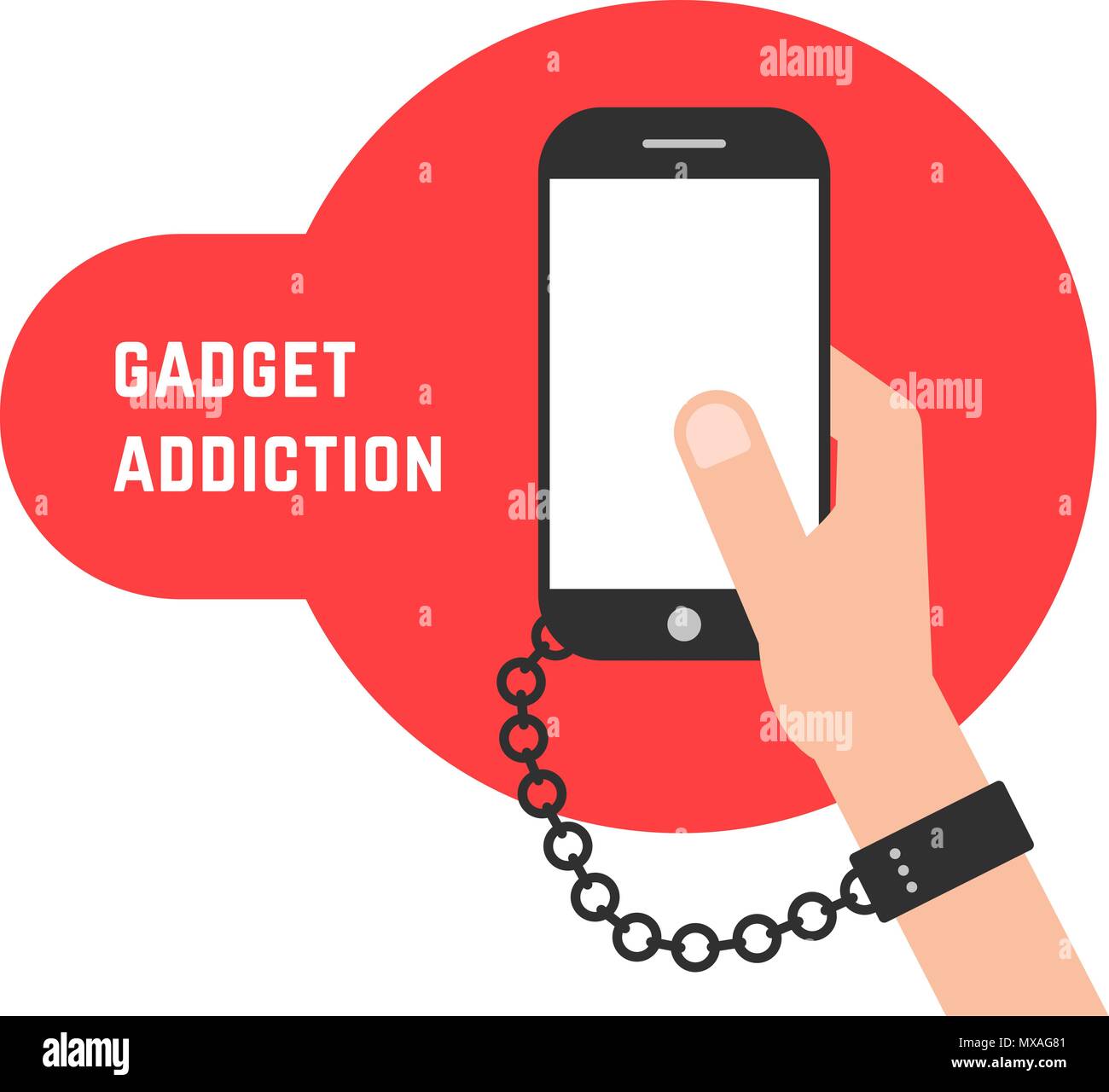
In today's digital age, gadgets have become an integral part of our daily lives. From smartphones to laptops, tablets to gaming consoles, technology has deeply integrated itself into our routines without us noticing. While these devices have opened doors to limitless information, global connectivity, and convenience, they have also given rise to a phenomenon known as gadget dependency. Gadget dependency refers to the extent to which individuals rely on their gadgets to the point where it interferes with their daily lives, relationships, and productivity.
Understanding Gadget Dependency
Gadget dependency among students has both pros and cons. On one hand, it provides access to online educational resources, fosters collaboration through digital platforms, and enhances creativity through multimedia tools. On the other hand, excessive gadget use can lead to academic procrastination, social isolation, and decreased attention span.
The Relationship Between Gadget Dependency and Academic Procrastination
A study conducted to investigate the relationship between gadget dependency and academic procrastination among Grade 12 STEM students in the Philippines revealed that a significant, moderate relationship existed between the two variables. The study found that students who exhibited higher levels of gadget dependency also showed higher levels of academic procrastination.
Impact on Academic Performance
Gadget dependency can negatively impact academic performance. A study on the relationship between gadget use and academic performance among undergraduate students found that excessive gadget use was associated with lower academic achievement and decreased motivation to study.
Physical and Mental Health Effects
Gadget dependency can also have negative effects on physical and mental health. Prolonged screen time can lead to sleep deprivation, eye strain, and headaches, while excessive social media use can contribute to anxiety, depression, and loneliness.
Breaking the Cycle of Gadget Dependency
To overcome gadget dependency, parents and educators can help students develop a healthy and balanced relationship with gadgets. This can be achieved by setting screen time limits, encouraging outdoor activities, and promoting social interaction with peers.

Conclusion
In conclusion, gadget dependency is a growing concern among students today. Its impact on academic performance, physical and mental health, and social development is significant. To mitigate its effects, it is essential to develop strategies to promote responsible gadget use and encourage students to strike a balance between technology use and other aspects of their lives.
Recommendations
- Establish screen time limits for students.
- Promote outdoor activities and sports.
- Encourage social interaction with peers.
- Develop skills to manage stress and anxiety.
- Monitor and regulate gadget use in educational settings.
The Atlassian Gadgets Framework
The Atlassian Gadgets framework allows developers to create custom gadgets that can be integrated into various Atlassian applications. Gadgets can be used to display information, provide tools, or offer functionality to users.
Designing a Gadget Dependency Questionnaire for Pre-School Children
A study aimed to design and validate a questionnaire to assess gadget dependency among pre-school children. The questionnaire was designed to assess the frequency and duration of gadget use, as well as the types of activities performed on gadgets.
Conclusion
Gadget dependency is a growing concern among students today. Its impact on academic performance, physical and mental health, and social development is significant. To mitigate its effects, it is essential to develop strategies to promote responsible gadget use and encourage students to strike a balance between technology use and other aspects of their lives.