The Critical Effects of Too Much Screen Time on Children
Heavy screen time has become a norm among young children in the modern world, and its impact is more pronounced than ever. Children's heavy reliance on screen media has raised serious public health concerns, with effects on their cognitive, linguistic, and social-emotional development. Unfortunately, many children and teens spend excessive time on screens, ranging from watching TV and browsing the internet to texting and playing video games.
Understanding the Negative Effects of Excessive Screen Time on Children
- Cognitive Impacts: Research suggests that excessive screen time can have detrimental effects on a child's memory, attention, communication, and social and language skills. A study published by Yale experts indicates that high screen use in children is linked to poor academic performance, significantly lower reading comprehension, and reduced physical activity.
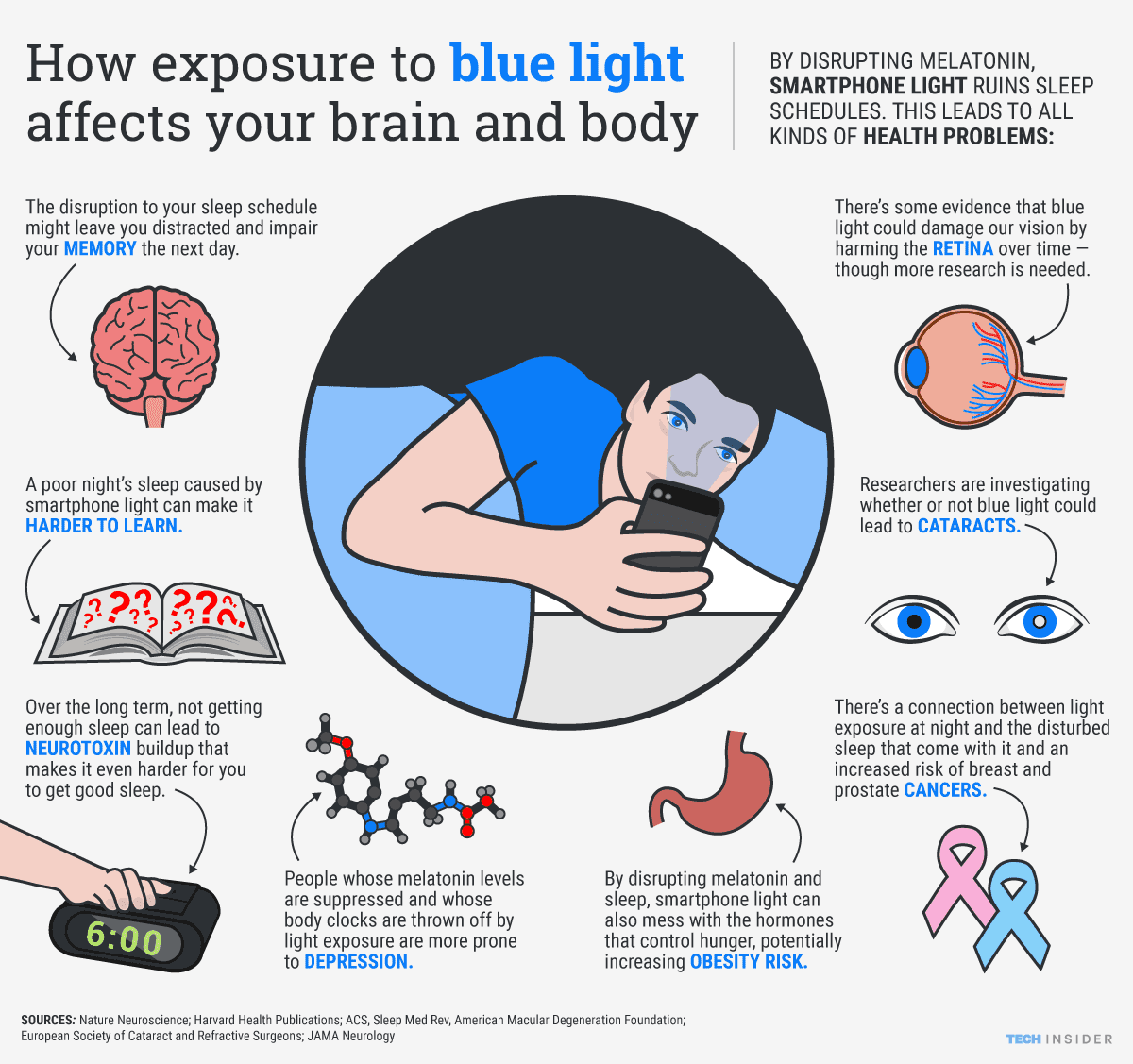
- Physical Health Risks: Sedentary behavior associated with excessive screen time can lead to various physical health problems, such as weight gain, obesity, and decreased physical fitness. Blue light exposure from screens can disrupt the sleep-wake cycle in children, leading to sleep disorders and daytime fatigue.
- Language and Social-Emotional Development Issues: Excessive screen time has been linked to delays in language development, shallow relationships, and a lack of communication skills. The 'Impoverished' stimulation on the developing brain from screens compared to real-life experiences has been especially noted, causing experts to emphasize the importance of mixing on and offline activities for children.
What Are the Limitations on Screen Time Recommended by Experts?
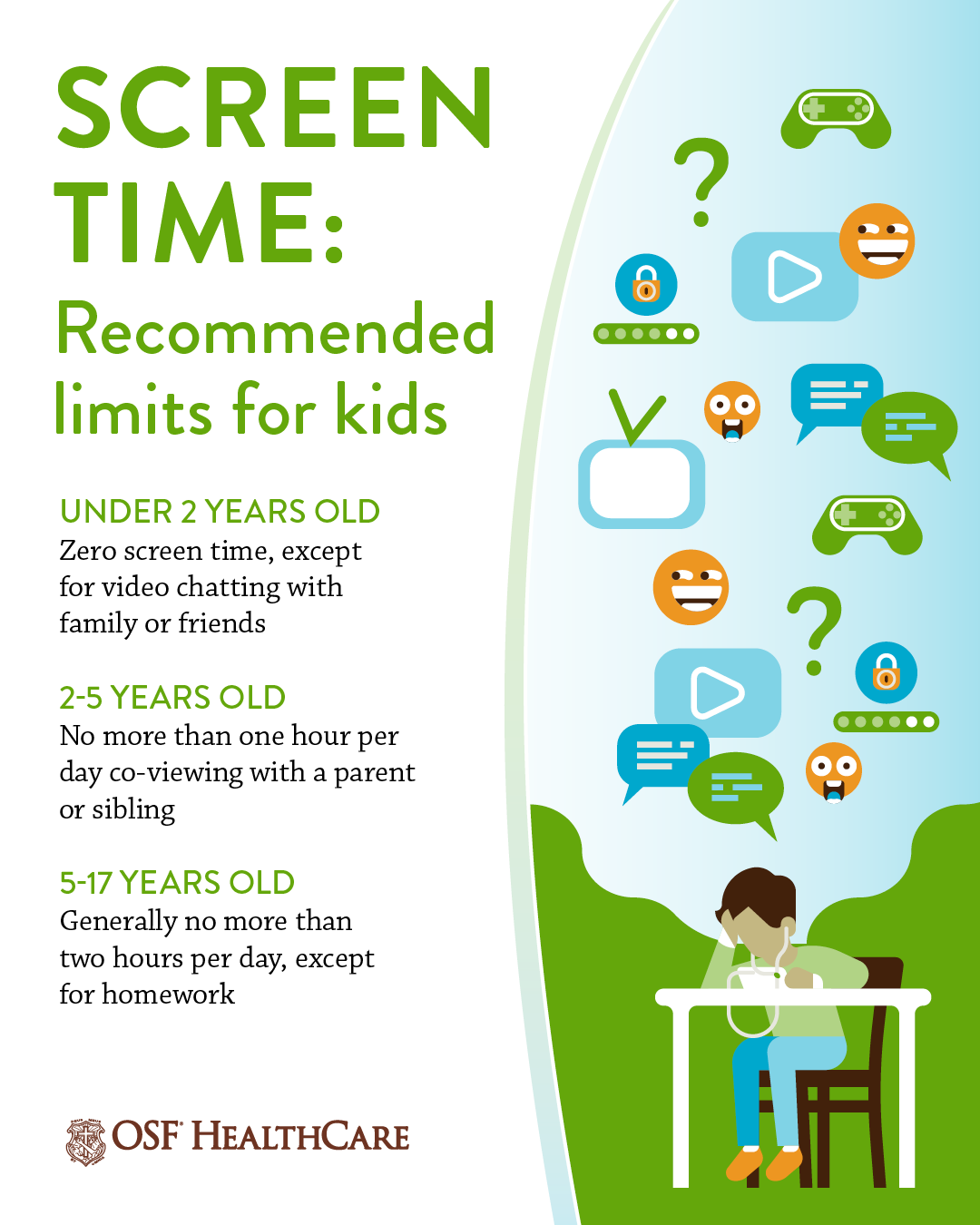
The American Academy of Pediatrics (AAP) recommends that children spend no more than one to two hours per day staring at digital screens, with specific guidelines based on age: for children aged 2-5, non-educational screen time should be limited to one hour each weekday and three hours each weekend day, while for ages 6, parents should encourage healthy habits and limit activities involving screens.
Steps to Help Reduce Excessive Screen Time in Children
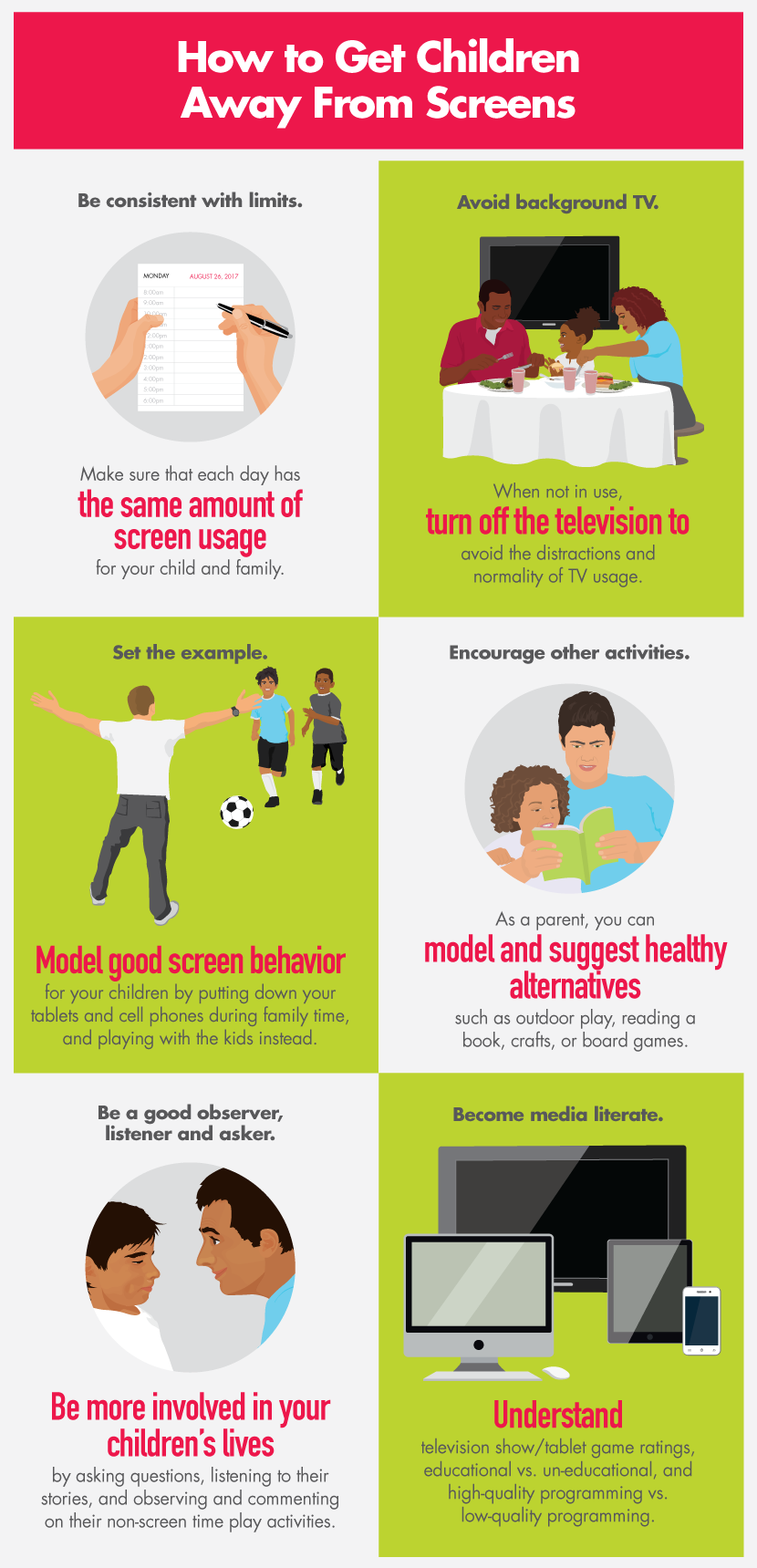
- Setting Screen-Free Zones: Establishing screen-free zones in the home, such as the dining table or bedrooms, helps reduce overall screen time and promotes more interactive experiences.
- Parental Guidance: Parents play a significant role in limiting and monitoring a child's screen use, making it essential to set clear expectations and restrictions on screen time.
- Encouraging Physical Activities: Parents should prioritize engaging their children in outdoor and indoor activities that promote physical fitness, balance, and social development, thus offsetting the negative impacts of excessive screen time.
- Monitoring Screen Time Consumption: Keep track of your child's screen time to identify patterns and make informed decisions about content and duration.
Conclusion
The effects of excessive screen time on children are multifaceted, ranging from cognitive and physical impacts to language and social-emotional development challenges. Parents can significantly mitigate these risks by setting clear screen time limits, promoting physical activities, and monitoring their child's screen usage. By striking a balance between screen time and other experiences, children can thrive in their development, acquire essential life skills, and avoid the drawbacks associated with excessive screen use.