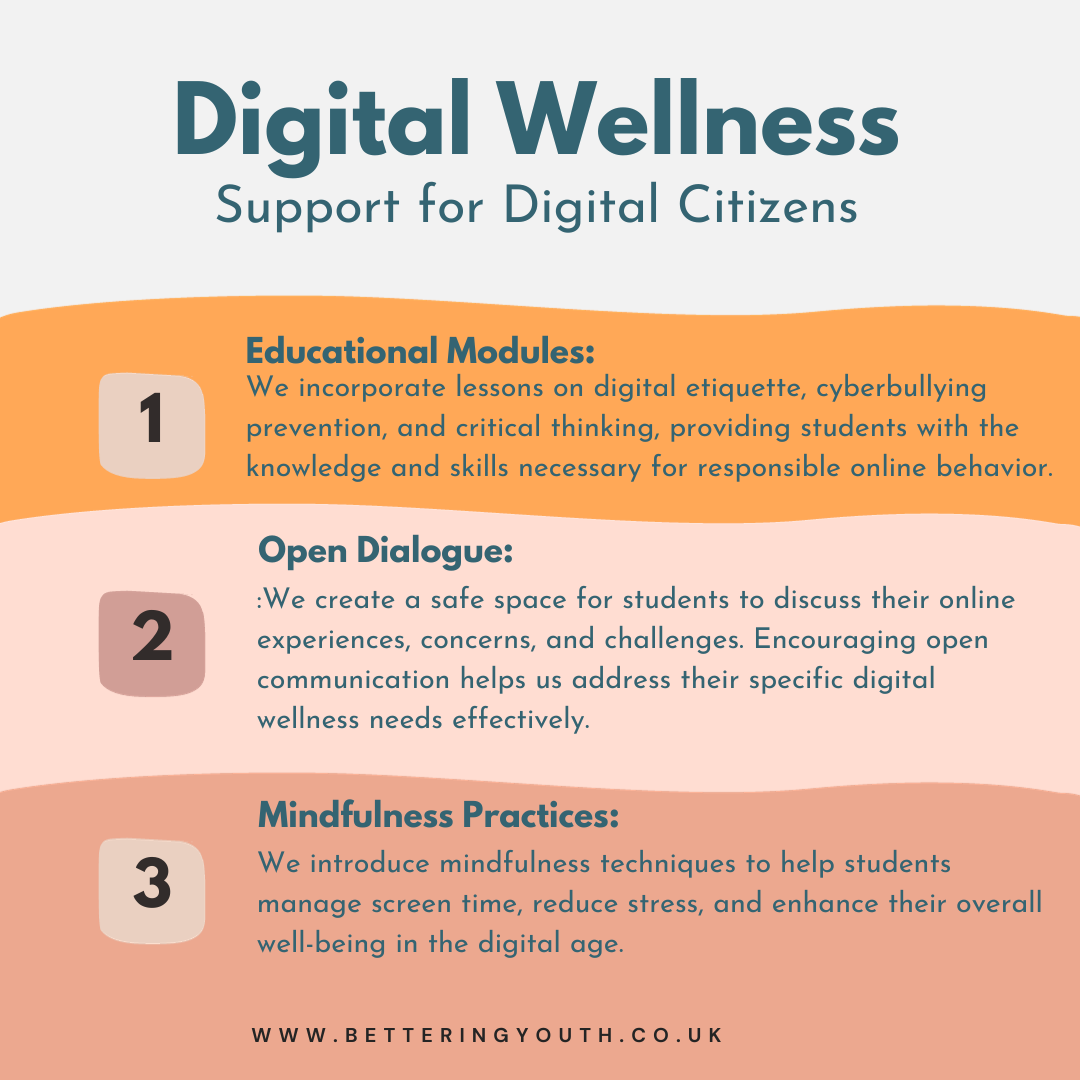
Digital Wellbeing in Schools: Navigating the Challenges of a Digitized World
As technology continues to advance and seep into every aspect of our lives, schools are faced with the daunting task of promoting digital wellbeing in a way that is both effective and equitable. The term "digital wellbeing" has become increasingly relevant in recent years, but its meaning and implications remain somewhat ambiguous. In this article, we will delve into the concept of digital wellbeing in schools, exploring its significance, challenges, and potential solutions.The Importance of Digital Wellbeing in Schools
Digital wellbeing in schools refers to a state of personal wellbeing experienced through the healthy use of digital technology. It encompasses a range of factors, including the impact of digital technologies on students' emotional, social, and mental health. According to UNESCO, digital wellbeing is "the enhancement and improvement of human wellbeing, in the intermediate and long term, through the use of digital media." In an era where digital technologies penetrate every aspect of education, it is essential that schools prioritize digital wellbeing to create a safe, balanced, and responsible learning environment. This requires a whole-school approach that involves teachers, parents, and students in promoting positive digital habits and mitigating the risks associated with excessive screen time, cyberbullying, and online harassment.Challenges in Promoting Digital Wellbeing in Schools
Despite the importance of digital wellbeing, schools face several challenges in promoting it. These include: * Limited resources and training for teachers to effectively integrate digital wellbeing into their teaching practices * The pressure to balance academic achievement with the need to promote digital wellbeing * The difficulty in measuring and assessing digital wellbeing in a way that is both effective and equitable * The need to address the digital divide and ensure that all students have equal access to digital technologies and resourcesSolutions for Promoting Digital Wellbeing in Schools
To overcome these challenges, schools can adopt several strategies to promote digital wellbeing. These include: * Developing a whole-school approach to digital wellbeing that involves teachers, parents, and students * Providing teachers with the necessary resources and training to effectively integrate digital wellbeing into their teaching practices * Implementing digital wellbeing policies and guidelines that are clear, consistent, and communicated to all stakeholders * Encouraging students to develop healthy digital habits through education and guidance * Fostering a positive digital culture that promotes respect, empathy, and kindness onlineConclusion