Can Melatonin Help with Hangovers?
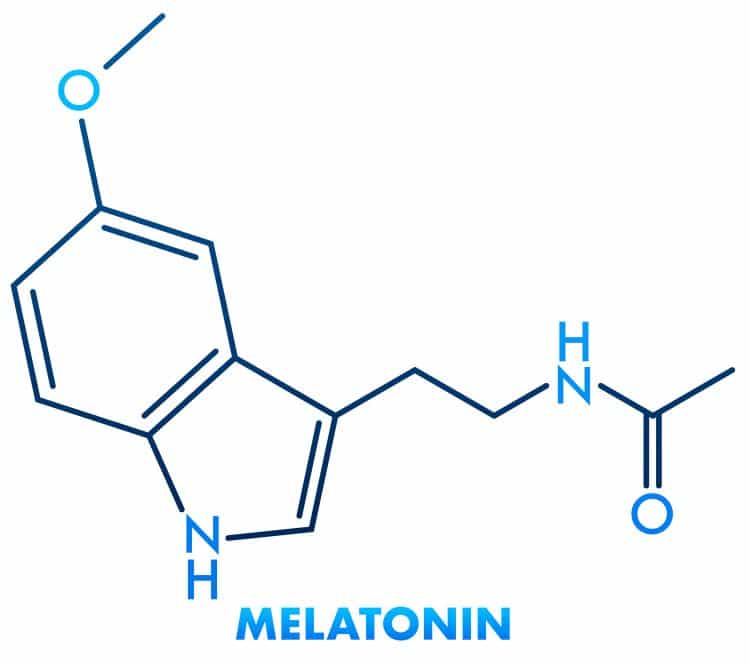
If you're anything like millions of people around the world, you've woken up after a night out with a pounding headache, a dry mouth, and a general feeling of malaise, also known as a hangover. Hangovers are a common side effect of consuming too much alcohol, and they can be debilitating, making it difficult to get out of bed, let alone tackle the day ahead. But what if there was a way to alleviate the symptoms of a hangover? Enter melatonin, a hormone that regulates sleep and has been gaining popularity as a natural remedy for various health issues, including hangovers.What is Melatonin?
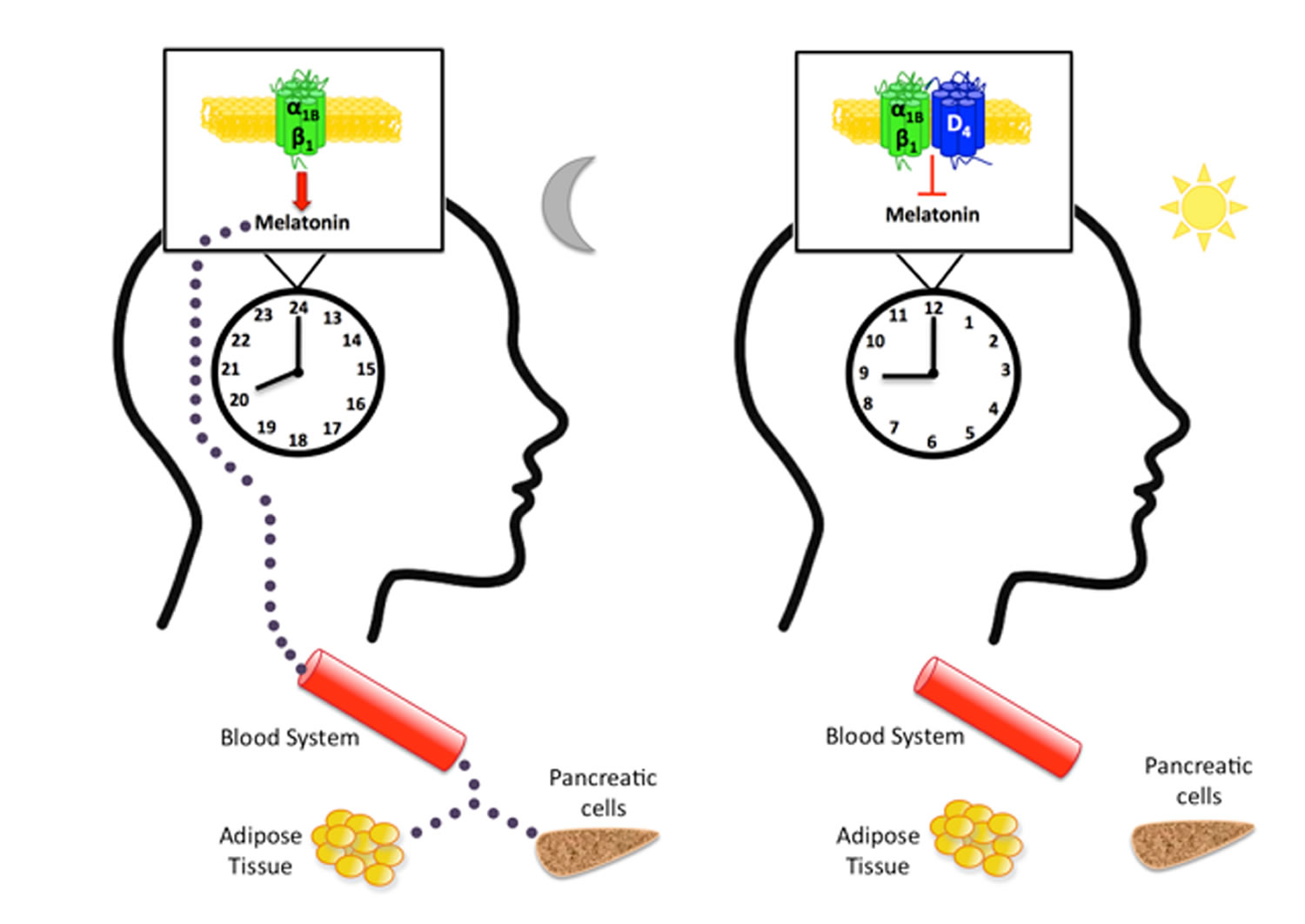
Melatonin is a hormone produced by the pineal gland in the brain, which regulates our sleep-wake cycles, also known as our circadian rhythms. When the sun sets, the pineal gland starts producing melatonin, causing us to feel drowsy and sleepy. As the night wears on, melatonin levels continue to rise, helping us to fall into a deep and restful sleep. In the morning, the melatonin levels drop, allowing us to wake up feeling refreshed and alert.
How Can Melatonin Help with Hangovers?
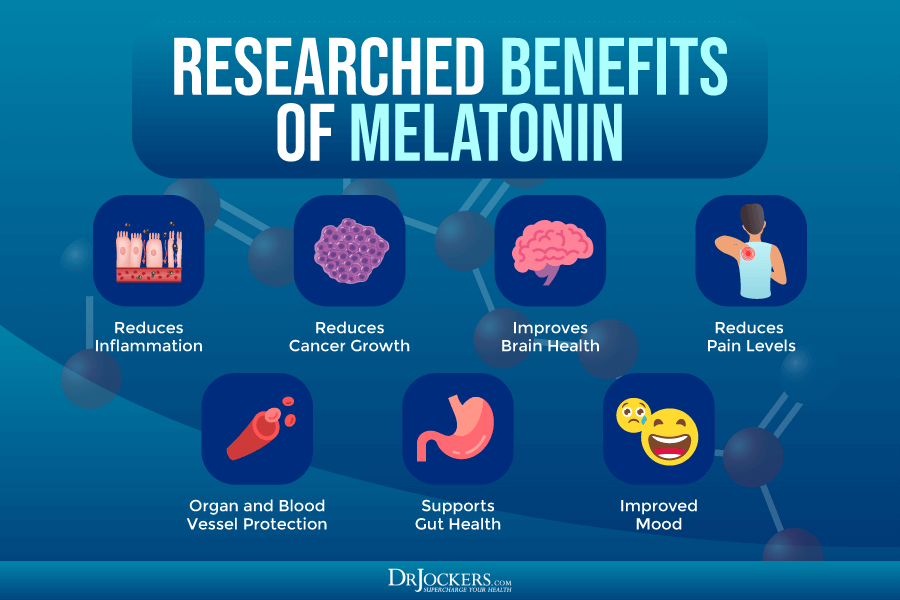
The connection between melatonin and hangovers is not as straightforward as it seems. While melatonin can help alleviate some of the symptoms associated with hangovers, its primary function is to regulate sleep. Taking melatonin can help you fall asleep faster and sleep more soundly, which can be beneficial in the days following a night of drinking. In fact, research suggests that melatonin can help reduce the severity of hangover symptoms, such as headaches and fatigue. However, it's essential to note that melatonin should not be relied upon as a cure-all for hangovers; responsible drinking habits and a healthy lifestyle are still essential for managing hangover symptoms.
Benefits of Melatonin for Hangovers
- Alleviates headaches and migraines
- Helps with fatigue and grogginess
- Reduces nausea and vomiting
- Enhances sleep quality and duration
Causes of a Melatonin Hangover
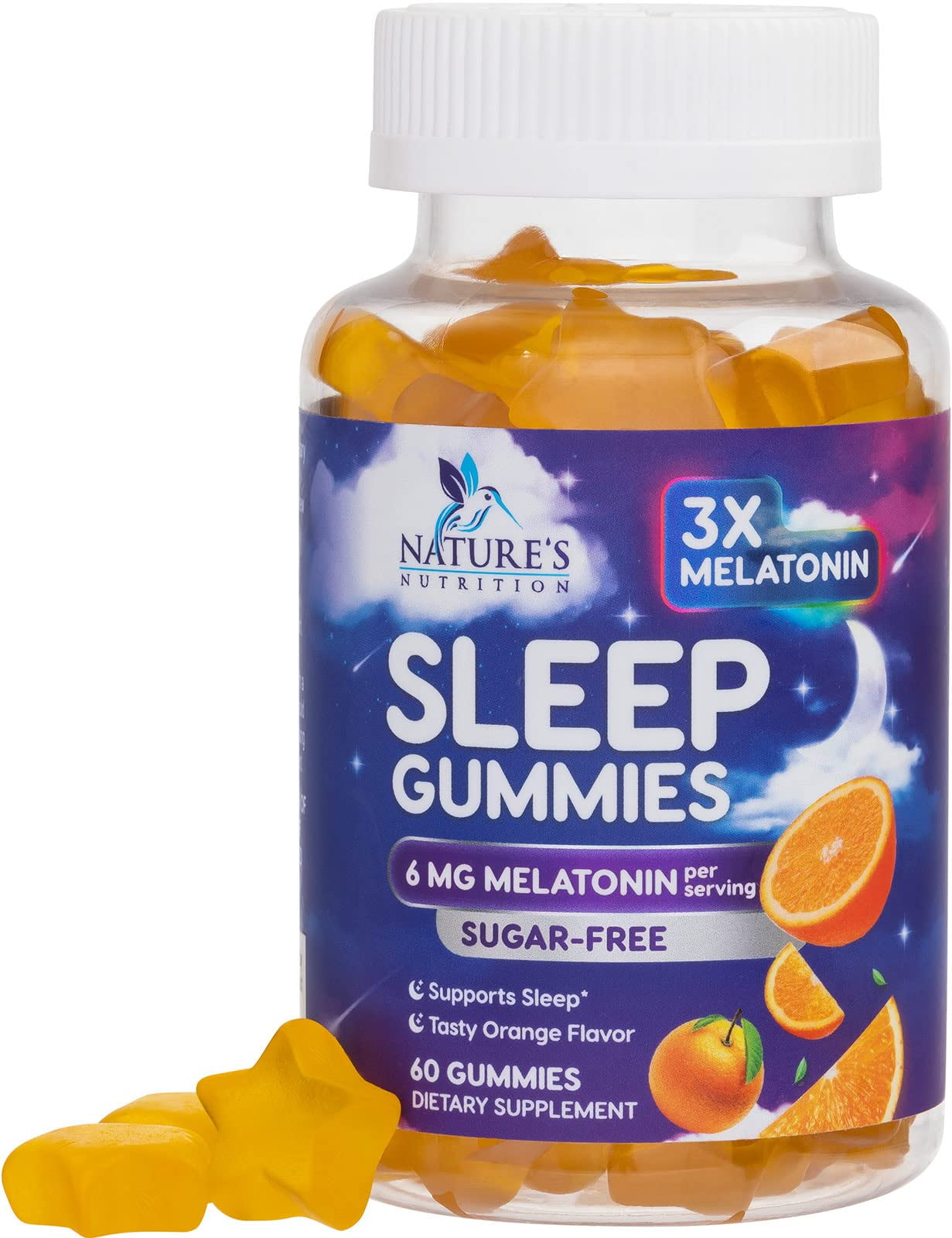
A melatonin hangover occurs when individuals experience unpleasant side effects after taking melatonin supplements, including headaches, grogginess, dizziness, daytime sleepiness, nausea, mood changes, and disorientation. These side effects can be caused by various factors, including:
- Taking too much melatonin or taking it too close to bedtime
- Age and weight issues, which can affect melatonin levels
- Mixing melatonin with other substances, such as alcohol or medications
How to Use Melatonin for Hangovers
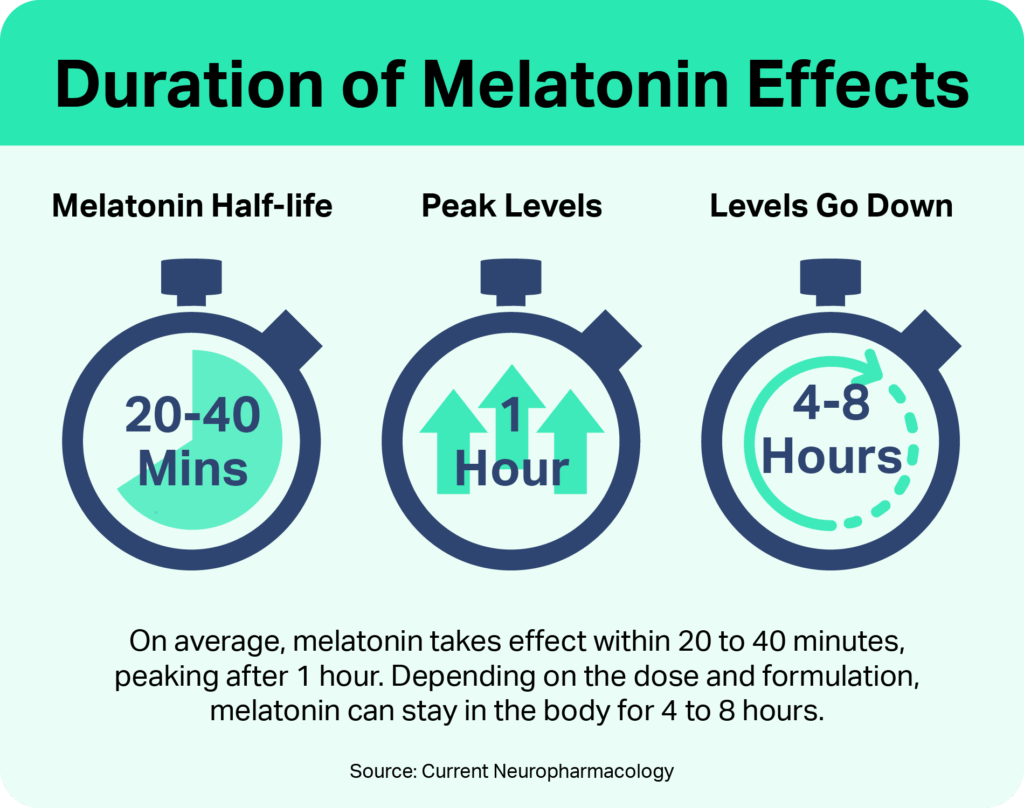
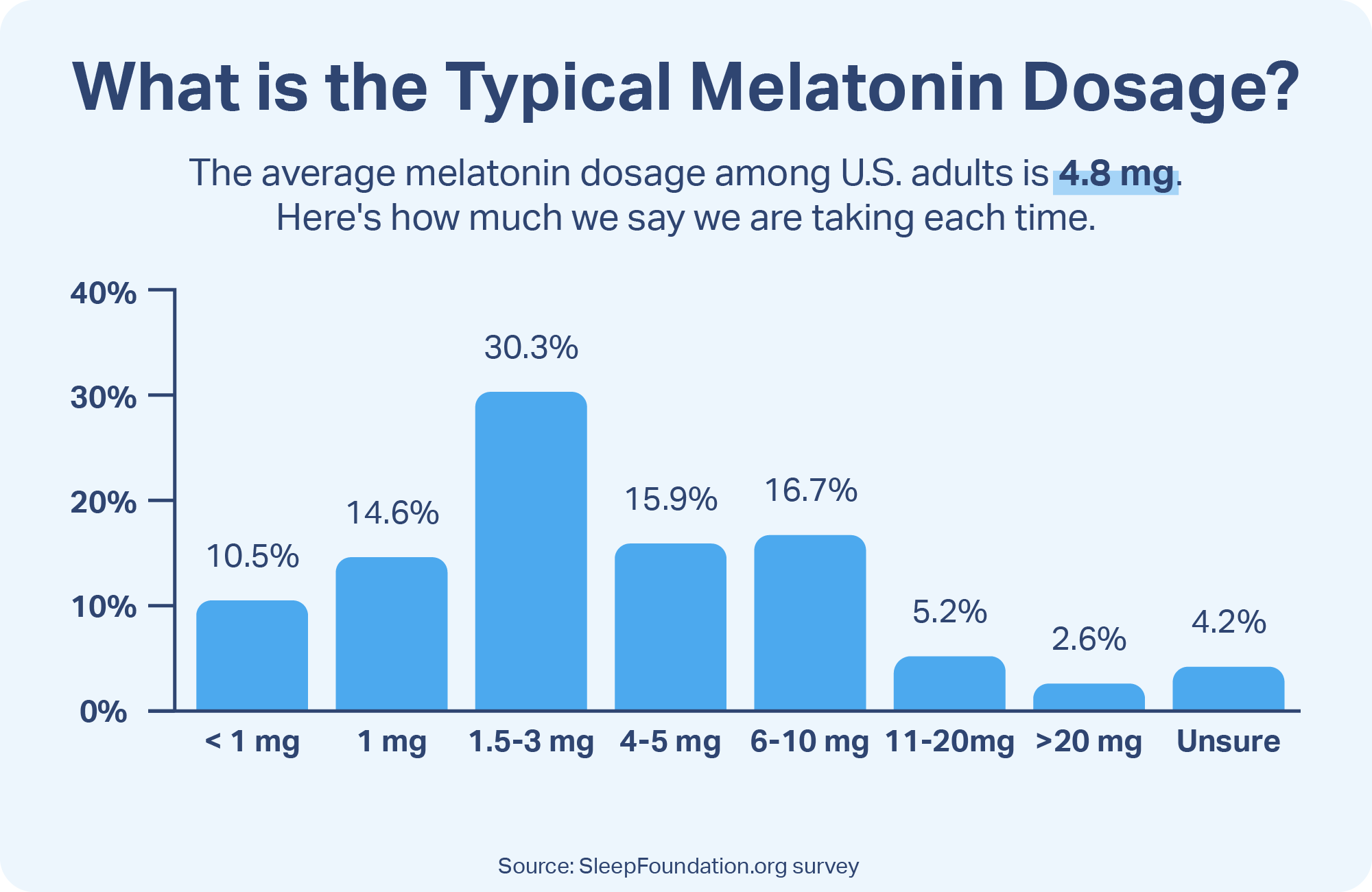
If you're considering using melatonin to alleviate hangover symptoms, start with a low dose (around 0.3-0.5 mg) and take it about 30 minutes before bedtime. It's essential to establish a consistent sleep schedule and create a relaxing bedtime routine to maximize the benefits of melatonin. Be aware that melatonin can interact with other medications, so consult with your healthcare professional before starting it, especially if you're taking other prescription medications.
Conclusion
In conclusion, melatonin can be a helpful ally in alleviating some of the symptoms associated with hangovers. By regulating sleep and reducing hangover symptoms, melatonin can help you feel more refreshed and alert in the days following a night of drinking. However, it's essential to remember that responsible drinking habits and a healthy lifestyle are still crucial for managing hangover symptoms. Consult with your healthcare professional before taking melatonin, and always follow the recommended dosages to minimize the risk of side effects.
Can Melatonin Help with Hangovers?
Yes, melatonin can help alleviate hangover symptoms, such as headaches, fatigue, and nausea. However, it's essential to remember that melatonin should not be relied upon as a cure-all for hangovers; responsible drinking habits and a healthy lifestyle are still essential for managing hangover symptoms.
Key Takeaways
- Melatonin is a hormone that regulates sleep
- Melatonin can help alleviate some hangover symptoms, such as headaches and fatigue
- Melatonin should not be relied upon as a cure-all for hangovers; responsible drinking habits and a healthy lifestyle are still essential
- Start with a low dose (around 0.3-0.5 mg) and take it about 30 minutes before bedtime
- Consult with your healthcare professional before starting melatonin, especially if you're taking other prescription medications