Unlock the Power of Charitable Giving: The Benefits of a Charitable Trust
A charitable trust is a powerful financial tool that enables you to set up assets to benefit charities, while also providing various tax benefits and requirements. Understanding how it is set up and what advantages it offers will help you make an informed decision about how to use this strategy for your philanthropic endeavors.
The Basics of Charitable Trusts
A charitable trust is an irrevocable legal entity that holds assets and distributes a portion to one or more tax-exempt charitable organizations. Depending on the structure, these trusts can provide income, reduce taxes, and protect your assets, among other benefits. They are split-interest vehicles, dividing a gift into two parts: an income benefit and a remainder benefit.
Charitable Trusts in Practice
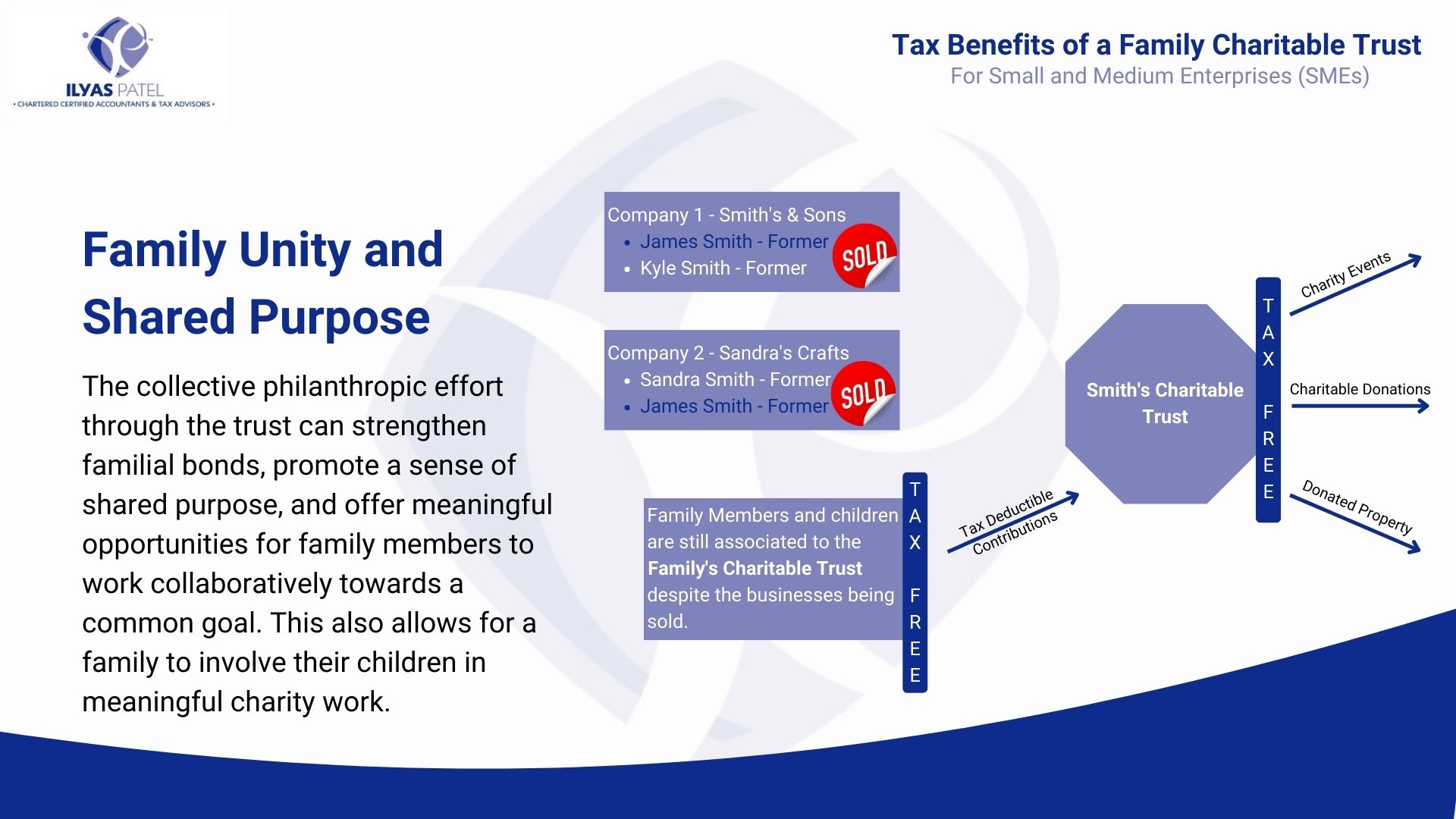
Charitable trusts are a special type of trust designed to benefit one or more charitable organizations or purposes. Unlike a typical private trust, which might benefit only your family, a charitable trust has the public good at its heart. A charitable trust allows you to donate assets to a chosen tax-exempt charitable organization or nonprofit and comes with certain tax benefits.
What Are the Tax Benefits of a Charitable Trust?
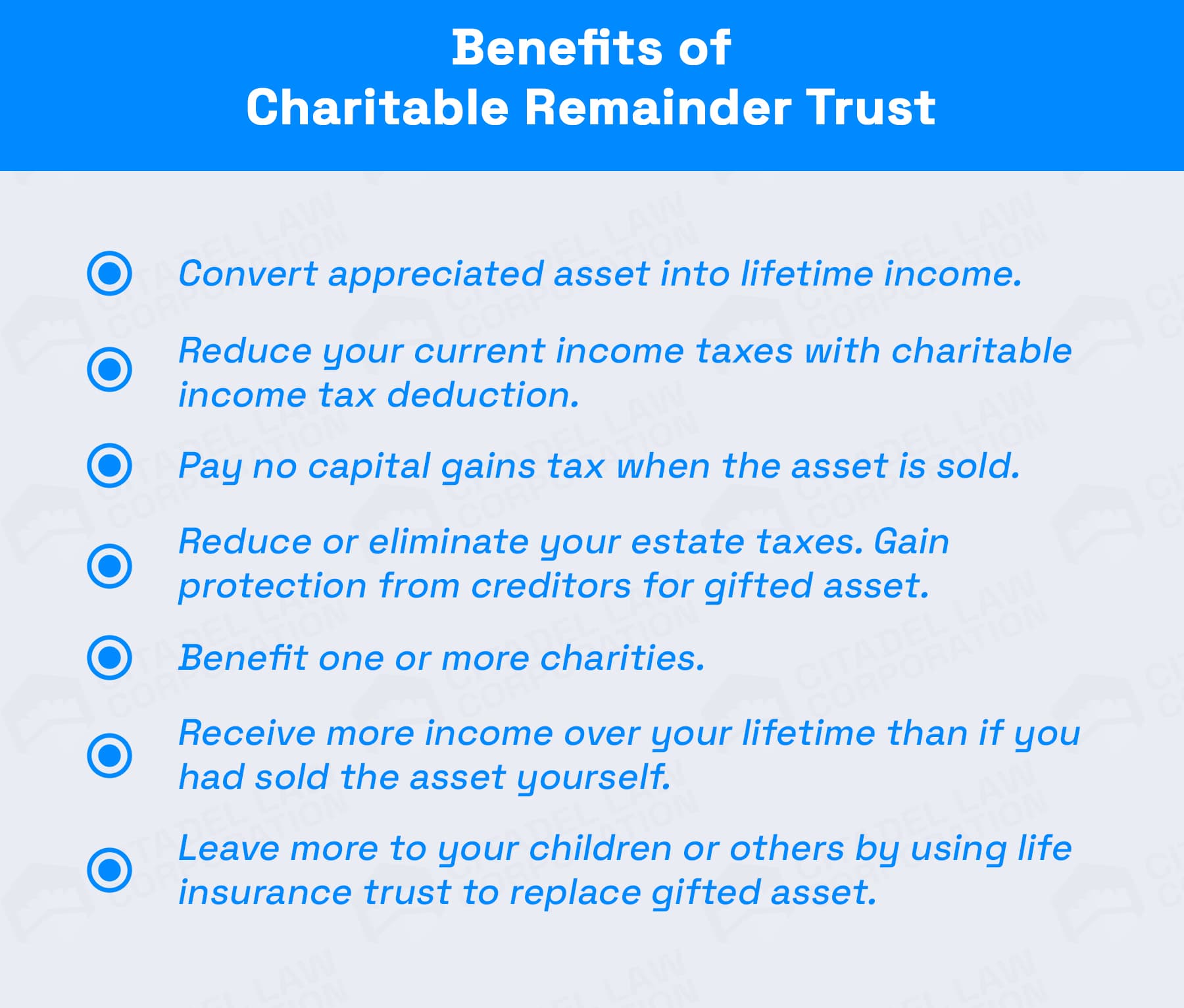
Charitable trusts can provide various tax benefits, including income tax deductions for the fair market value of the donated assets, potential reduction in estate taxes, and avoidance of capital gains tax on appreciated assets. Establishing a charitable trust may provide an immediate charitable income tax deduction based on the present value of the charitable interest.
Establishing a Charitable Trust

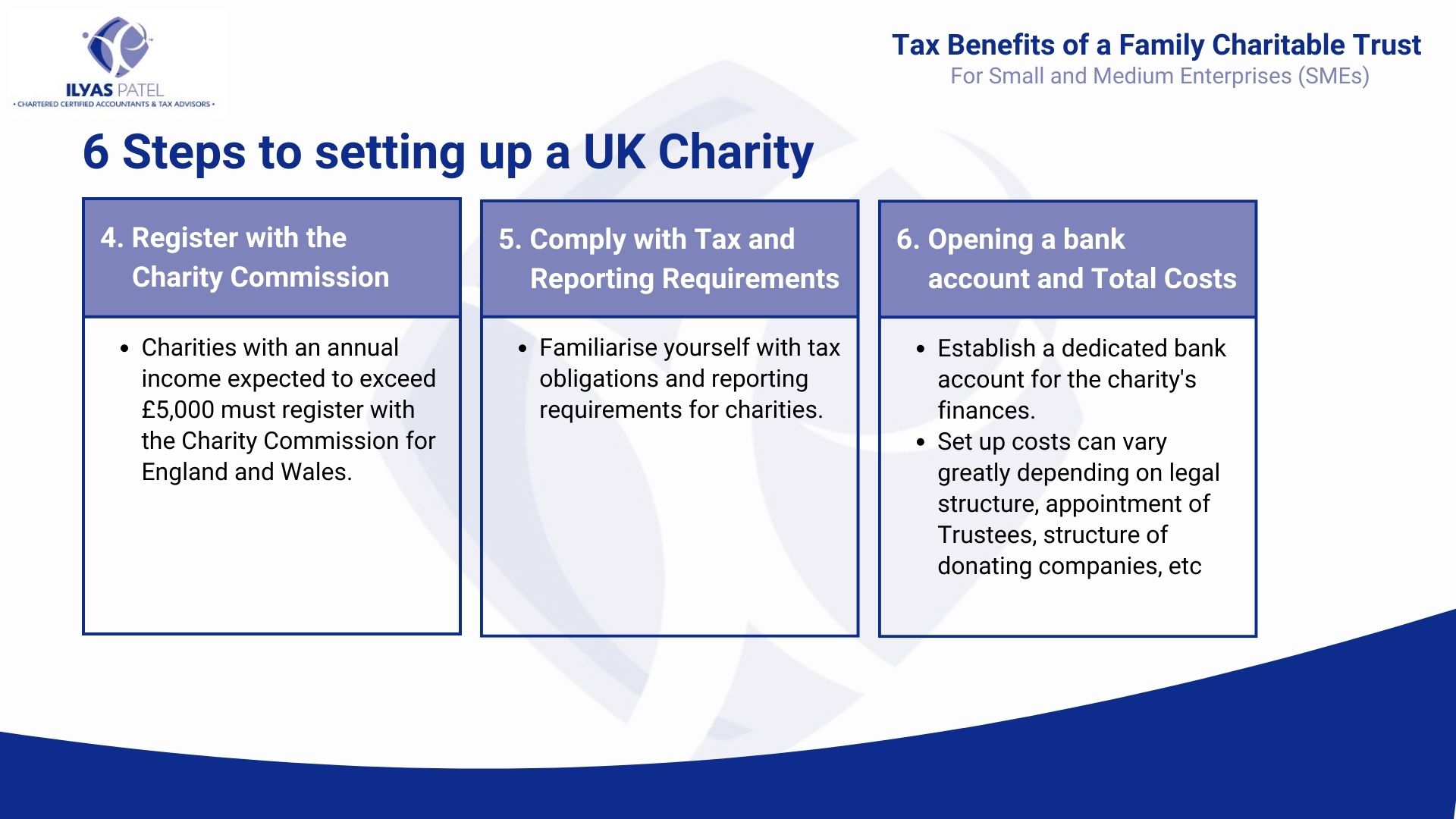
When establishing a charitable trust, you transfer assets to a trust specifically designated to benefit a qualified charitable organization. There are two primary types of charitable trusts, each offering distinct advantages. One of the key benefits of a charitable trust is that it allows you to receive an immediate tax deduction while adding significant value and flexibility to your charitable journey.
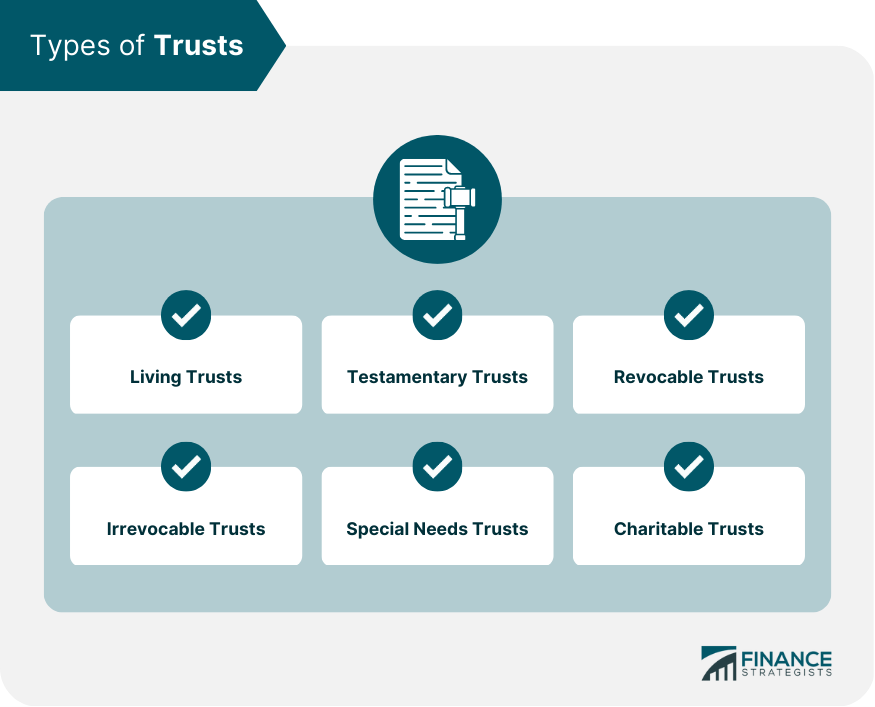
Types of Charitable Trusts
- Donor-Advised Funds: A donor-advised fund (DAF) is a popular charitable giving vehicle for investing charitable assets for tax-free growth, which can then be granted to charities.
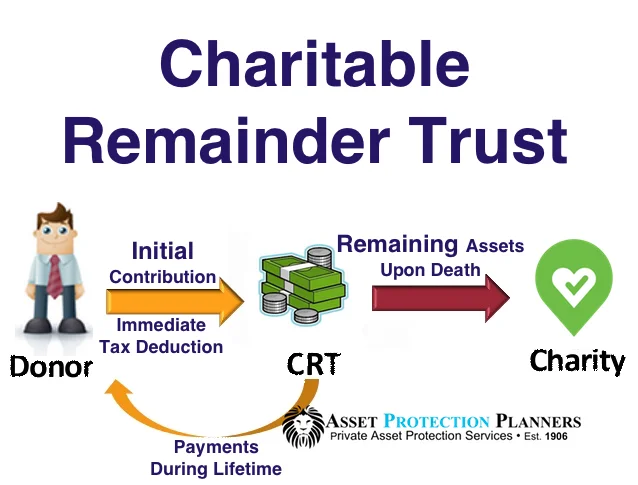
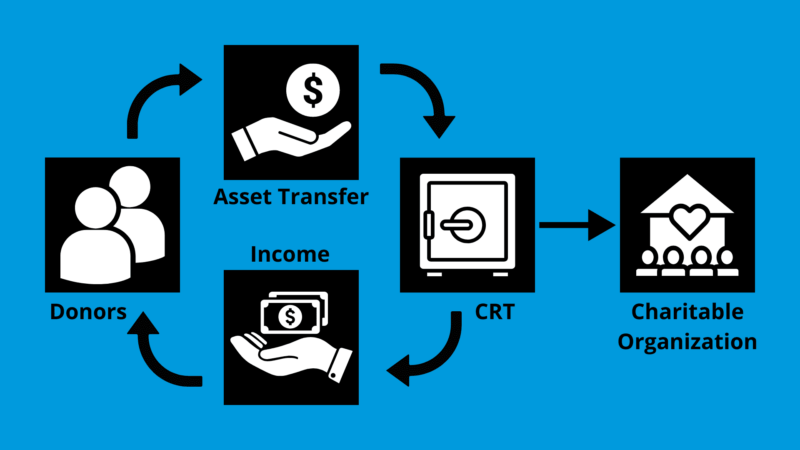
- Charitable Remainder Trusts: A charitable remainder trust (CRT) is a type of trust that can be funded with your cash or other assets that provides you with income and tax benefits, and supports the work of a charitable organization with the remainder.
- Pet Trusts: A pet trust is a special type of trust that combines philanthropy with pet care, allowing you to leave assets for your beloved pets while also supporting your favorite charities.
Benefits of a Charitable Trust
Some of the primary benefits of a charitable trust include:
- Income Tax Deduction: Establishing a charitable trust may provide an immediate charitable income tax deduction based on the present value of the charitable interest.
- Potential Reduction in Estate Taxes: Charitable trusts can help reduce estate taxes by allowing you to transfer assets to a trust for the benefit of charitable organizations.
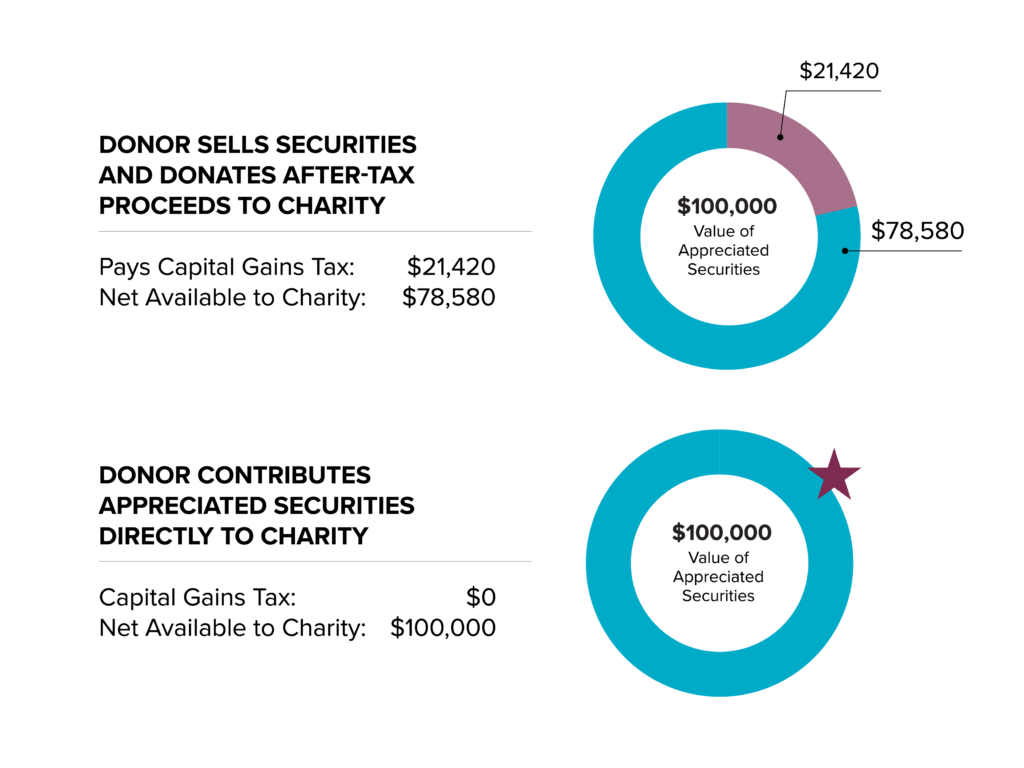
- Avoidance of Capital Gains Tax: Charitable trusts can help avoid capital gains tax on appreciated assets by allowing you to donate assets to a trust for the benefit of charitable organizations.
- Protection of Assets: Charitable trusts can protect your assets from being subject to estate taxes, probate, or other creditors.
- Flexibility: Charitable trusts can provide flexibility in how you choose to support your favorite charities and causes.
Conclusion
Charitable trusts offer a unique way to support causes you care about while potentially reducing your tax burden. By understanding the benefits of a charitable trust, you can make an informed decision about how to use this strategy for your philanthropic endeavors. Whether you're looking to reduce taxes, protect your assets, or support your favorite charities, a charitable trust can be a powerful tool in your philanthropic toolkit.