Social Media Account Security for Online Business: Protecting Your Digital Presence
In today's digital age, social media has become an integral part of a business's online presence. It's a platform to connect with customers, showcase products or services, and build a brand identity. However, social media accounts are also a lucrative target for cybercriminals and online threats. With billions of social media users worldwide, the risk of account security breaches and attacks is higher than ever.The Importance of Social Media Account Security for Online Business
Social media platforms have become a primary channel for businesses to interact with customers, share news, and promote products. A breach in social media account security can damage a company's reputation, lead to financial losses, and compromise sensitive data. Protecting social media accounts is not just a best practice, it's a necessity for businesses that rely on their online presence to thrive.Common Social Media Security Risks
Several social media security risks pose a threat to business accounts, including:- Phishing and Social Engineering: Hackers use fake social media profiles and messages to trick employees into giving away sensitive information.
- Profile Hacking: Cybercriminals hijack social media accounts to spread malware, send spam, or engage in online harassment.
- Account Takeover: Hackers gain control of a business's social media account, using it to damage the brand's online reputation.
- Malware and Ransomware: Social media links can lead to malware downloads or ransomware attacks, compromising business data and operations.
Implementing Social Media Account Security Measures
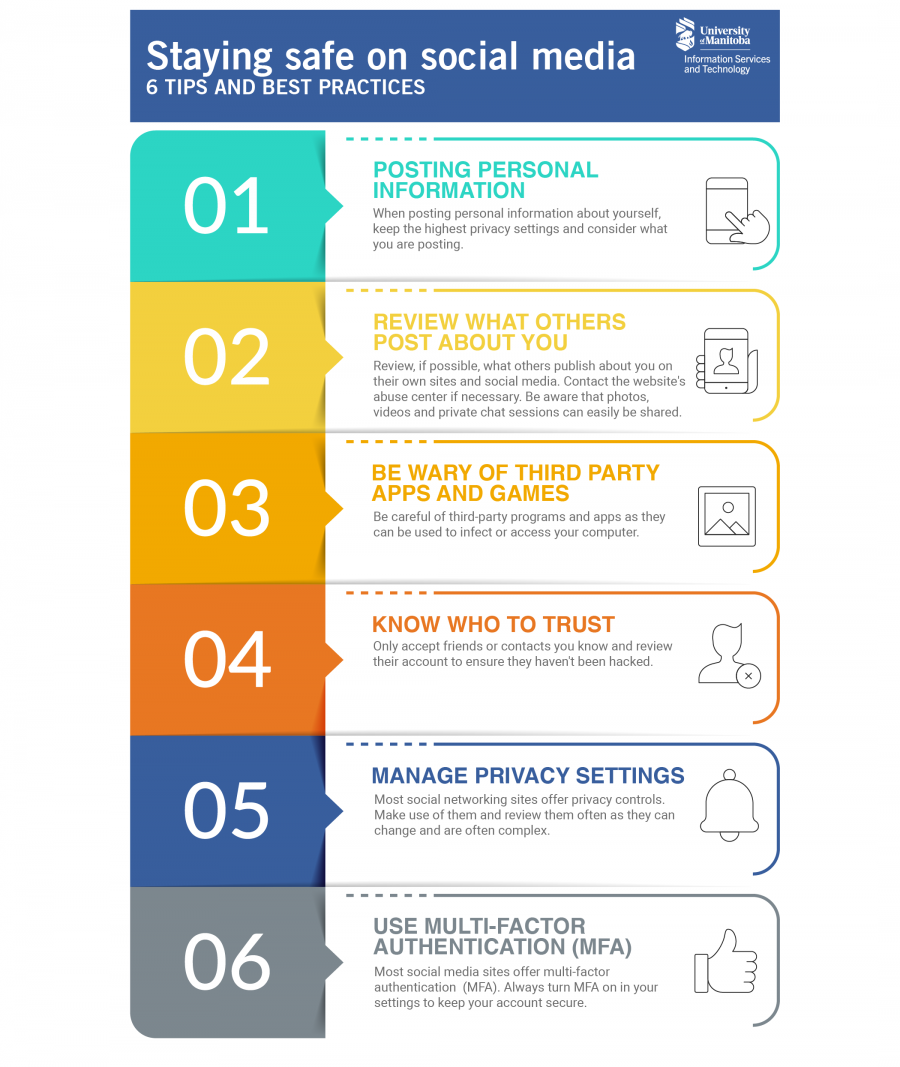
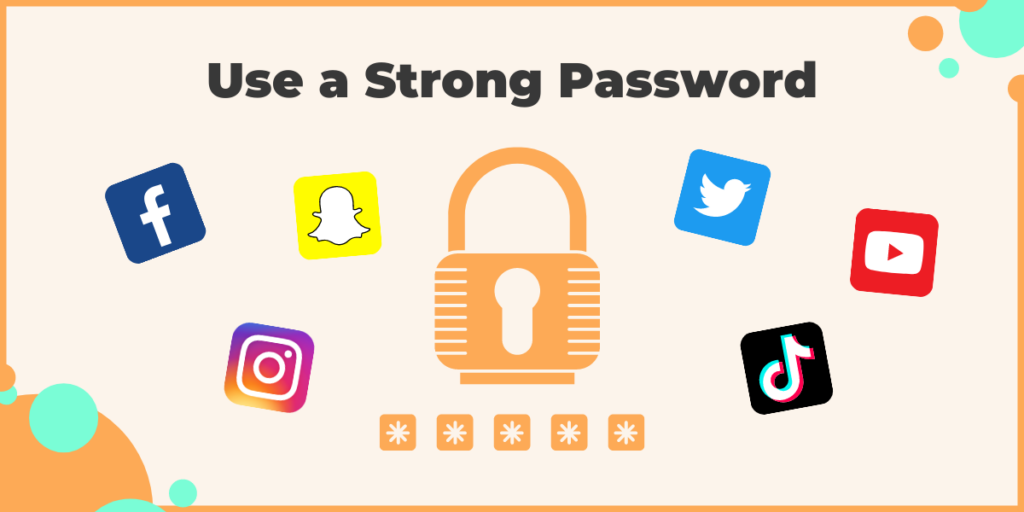
To safeguard social media accounts, businesses should:- Use Strong, Unique Passwords: Choose complex passwords and keep them confidential to prevent hacking attempts.
- Enable Two-Factor Authentication: Add an extra layer of security with two-factor authentication to prevent unauthorized access.
- Monitor Accounts Regularly: Regularly check social media accounts for suspicious activity, unusual changes, or malware.
- Educate Employees: Train employees on social media security best practices, including avoiding phishing and suspicious links.
- Set Up Alerts and Notifications: Configure social media platforms to send alerts for unusual activity or login attempts.
- Secure Data and Downloads: Be cautious when sharing data or downloading content from social media platforms.