Signs of Information Overload: Are You Experiencing Digital Fatigue?
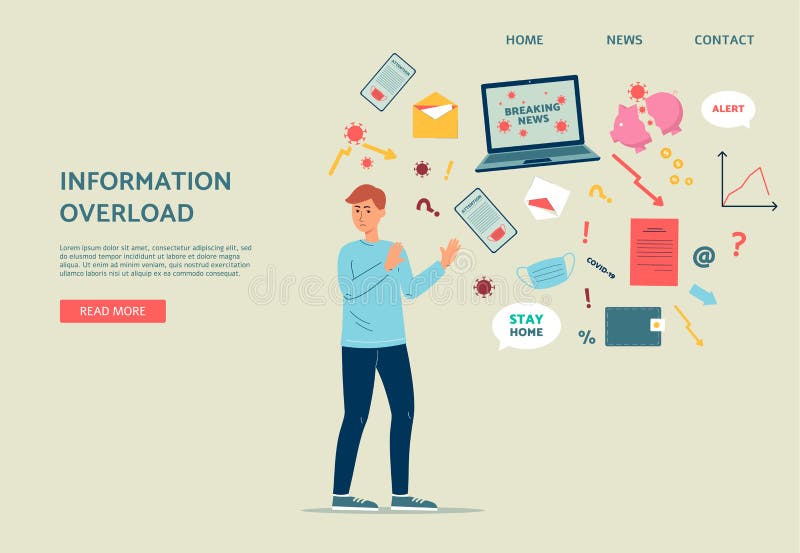
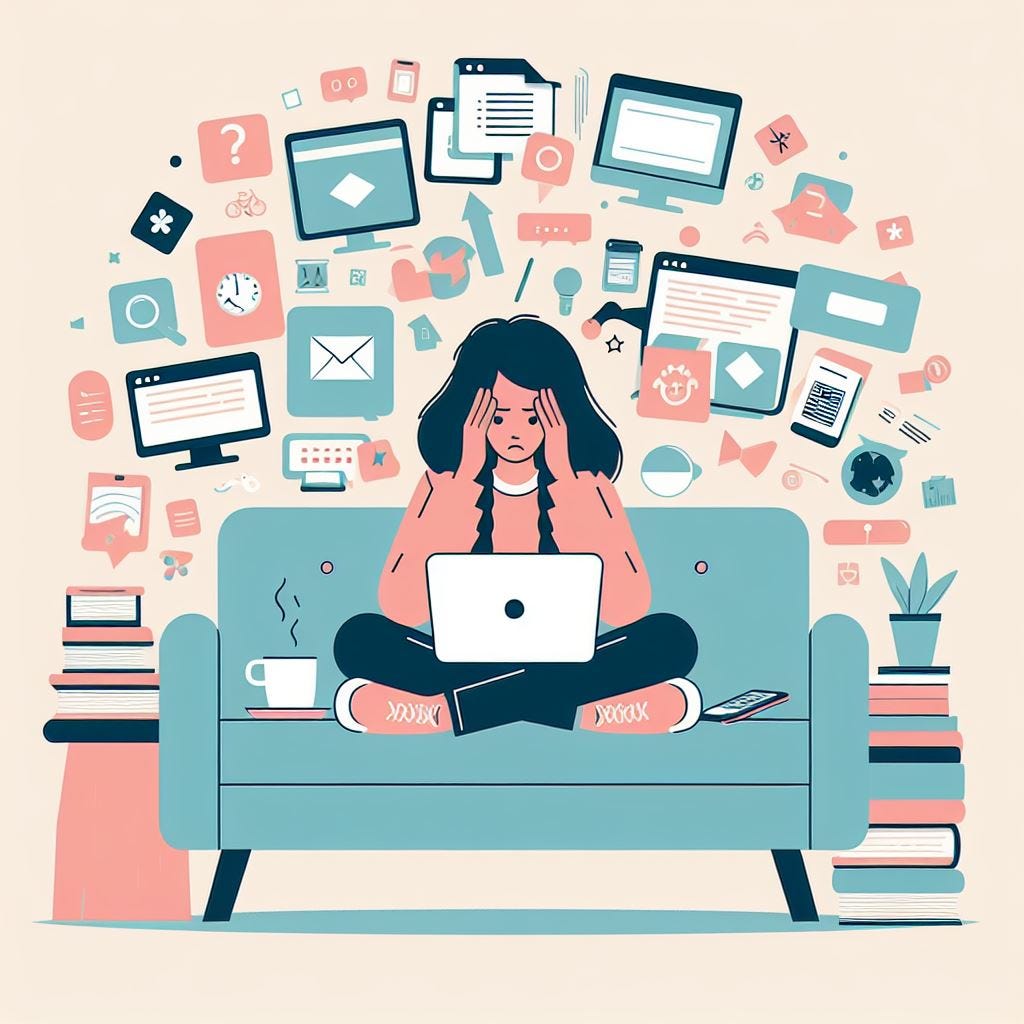
Information overload has become a pressing concern in today's hyper-connected world. The relentless pace of digital information can overwhelm our brains, leading to feelings of fatigue, anxiety, and frustration. In this article, we will delve into the signs of information overload, its impacts on our well-being, and practical strategies to help you regain control of your screen time.
What is Information Overload?
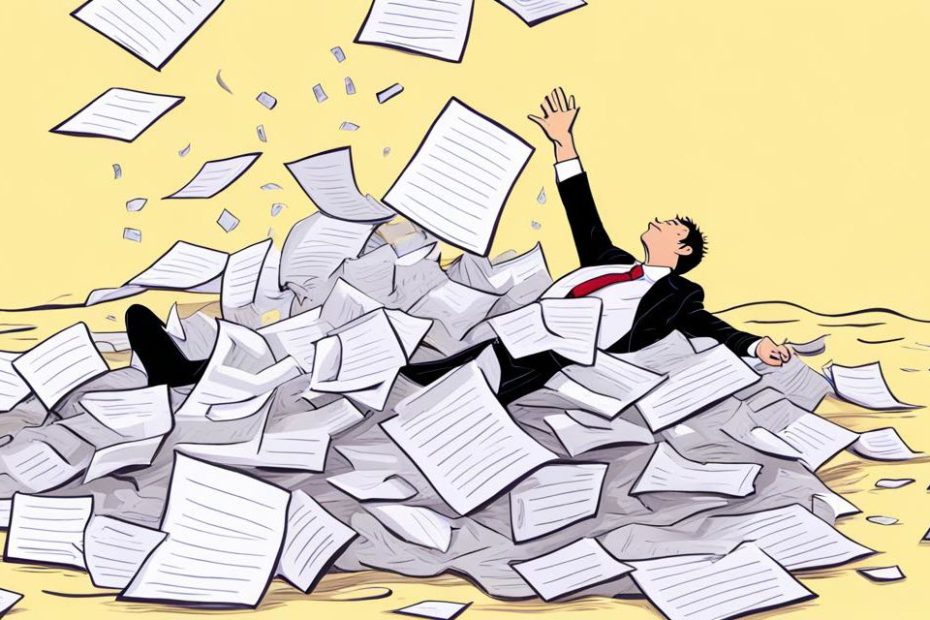
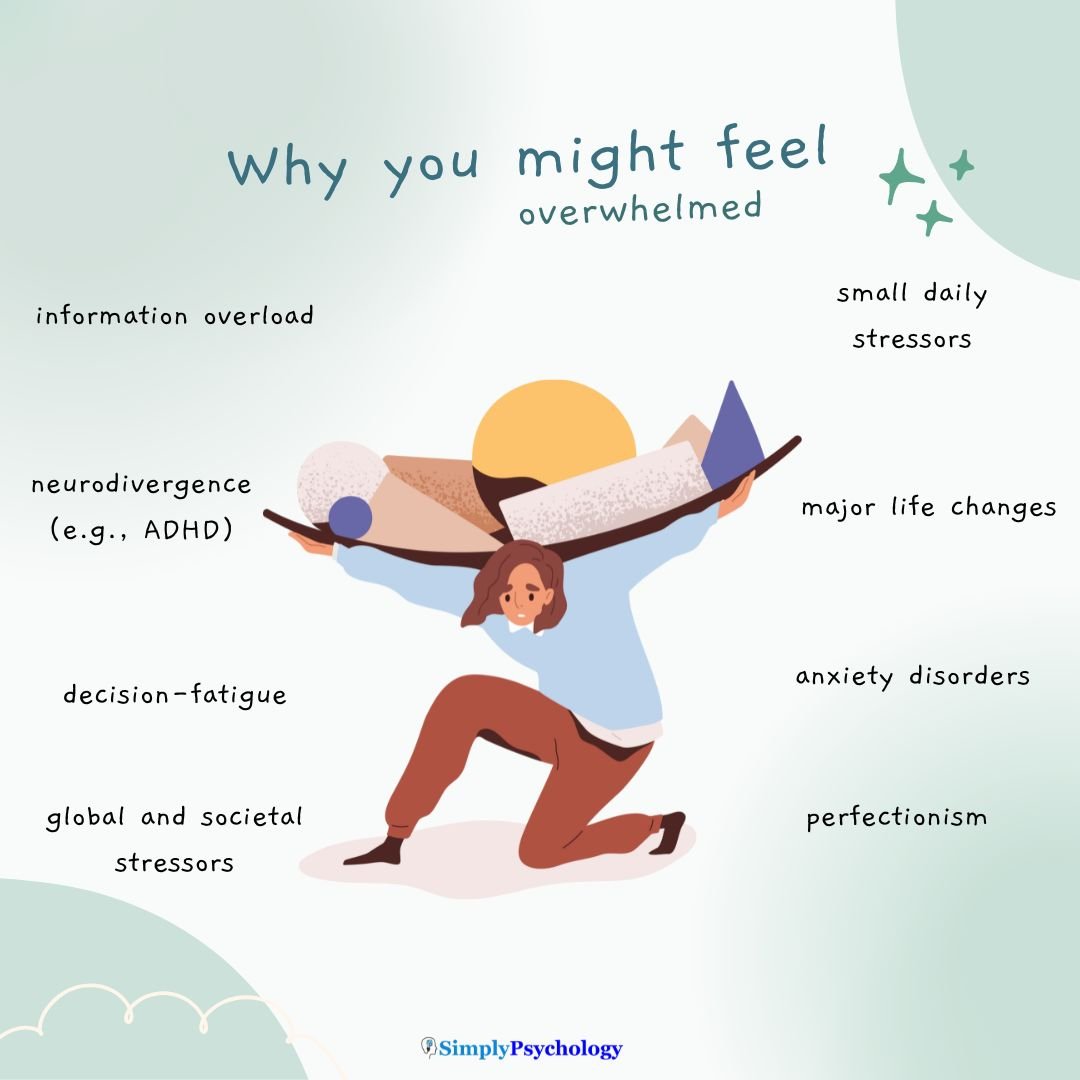
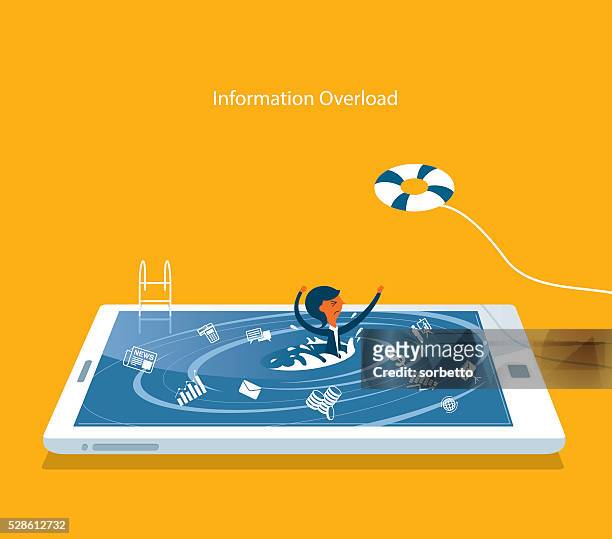
Information overload occurs when we are exposed to more information than our brains can realistically process. It's not just about the volume of content; it's about the relentless pace, emotional intensity, and the feeling that we must stay constantly updated or we'll miss something critical. This can lead to paralysis of information due to confusion and exhaustion.
5 Warning Signs of Information Overload
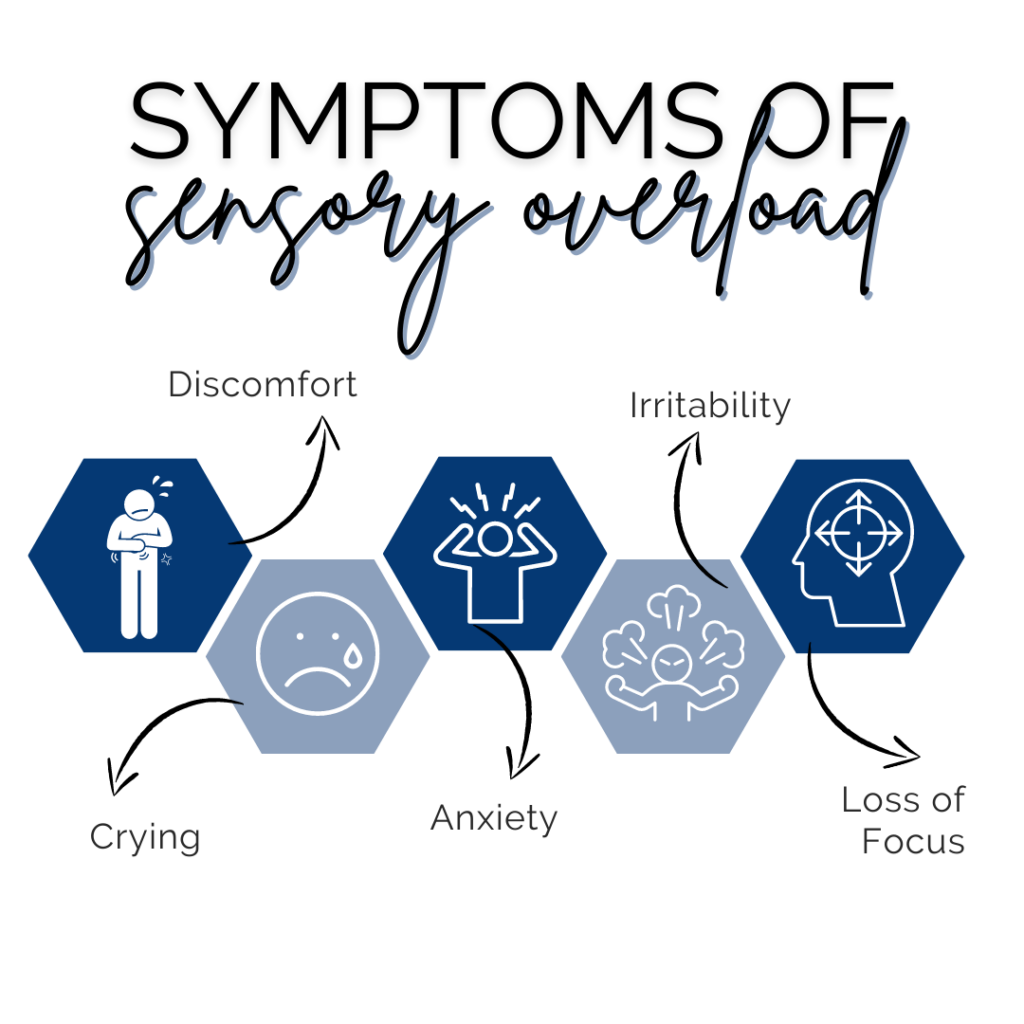
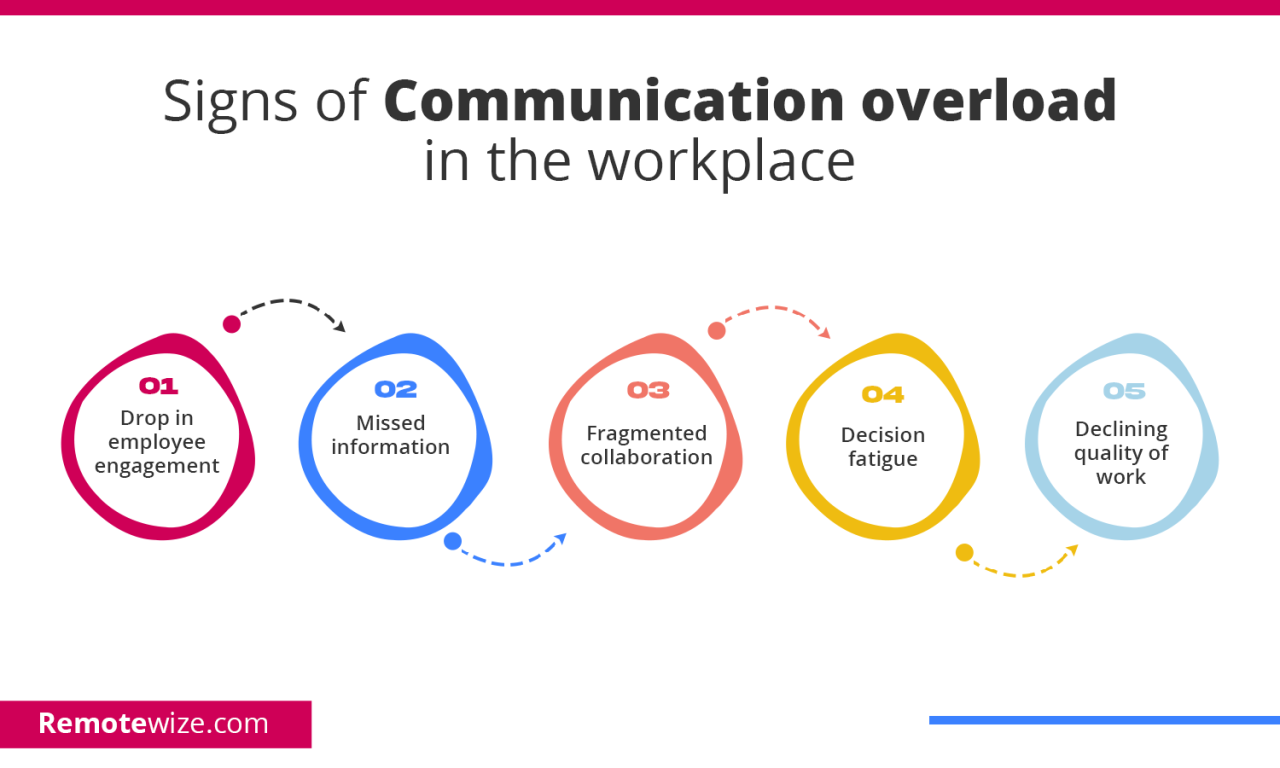
Difficulty concentrating and making decisions due to the sheer volume of information.
Feeling overwhelmed, anxious, or irritable when faced with a new task or challenge.
Problems sleeping or experiencing poor sleep quality due to the constant stimulation of screens.
Difficulty maintaining a healthy work-life balance, with work-related tasks and emails bleeding into personal time.
Struggling to disconnect from digital devices, even in leisure time, due to the fear of missing out (FOMO).
Causes of Information Overload
Information overload can be caused by various factors, including:
Excessive screen time, including smartphones, computers, and television.
Unorganized and cluttered digital spaces, such as email inboxes and social media feeds.
Unrealistic expectations and pressures to stay connected and up-to-date.
Lack of clear boundaries and guidelines for digital use.

Strategies to Manage Information Overload
To combat information overload, try the following strategies:
Set clear boundaries and guidelines for digital use, including screen time limits and designated digital-free zones.
Implement organization systems, such as sorting emails into folders and using task management tools.
Practice mindfulness and meditation to reduce stress and increase self-awareness.
Engage in regular physical activity and exercise to improve mood and reduce fatigue.
Disconnect from digital devices during leisure time, and engage in activities that promote relaxation and rejuvenation.
Conclusion
Information overload is a pervasive problem that can have far-reaching consequences for our well-being. By recognizing the signs of information overload and implementing strategies to manage it, we can regain control of our screen time and promote a healthier relationship with technology. Remember, taking control of information overload is a top priority for safeguarding our mental health in this digital age.
References
- 💧Water Signs (Cancer, Scorpio, Pisces)
- Discover 10 signs that meeting overload employee burnout is harming workforce wellness, retention, and productivity
- Learn what information overload is, including its causes and possible effects and review 10 ways of avoiding information overload in your work and daily life