Reducing Stress from Constant Tech Use: Strategies for a Healthier Digital Life
Are you tired of feeling drained by the constant stream of notifications, emails, and social media updates on your screens? Do you find yourself struggling to focus and feeling overwhelmed by the non-stop barrage of digital stimuli? If so, you're not alone. The constant use of technology has become a major contributor to stress, anxiety, and burnout in today's society. In this article, we'll explore the impact of constant tech use on mental and physical health, and provide actionable tips for reducing stress and regaining control over your digital life.
The Impact of Constant Tech Use on Mental and Physical Health
Constant tech use can have a profound impact on our mental and physical health. Research has shown that excessive screen time can lead to increased levels of stress, anxiety, and burnout, as well as a range of physical symptoms such as headaches, eye strain, and fatigue. Furthermore, the constant exposure to digital stimuli can disrupt our sleep patterns, leading to insomnia, daytime fatigue, and other related health problems.
Symptoms of Digital Overload
- Numbness or tingling feelings in hands or feet
- Eye strain or blurred vision
- Migraines or headaches
- Sleep disturbances
- Mood swings or irritability

10 Actionable Tips for Reducing Stress from Constant Tech Use
To reduce stress and regain control over your digital life, try the following strategies:
- Set Boundaries: Establish specific times for checking emails and social media, and stick to them. Set limits on screen time and device use, and create a schedule that includes regular breaks and tech-free time.
- Practice Mindful Tech Use: Be intentional about how you use technology. Turn off notifications, log out of social media, and set your phone to "do not disturb" mode when not in use.
- Take Breaks: Regularly take breaks from technology to stretch, move your body, and rest your eyes.
- Disconnect from Devices Before Bedtime: Avoid screens for at least an hour before bedtime to improve sleep quality.
- Seek Professional Help: If you're struggling to manage stress or feeling overwhelmed by technology, consider seeking professional help from a therapist or counselor.
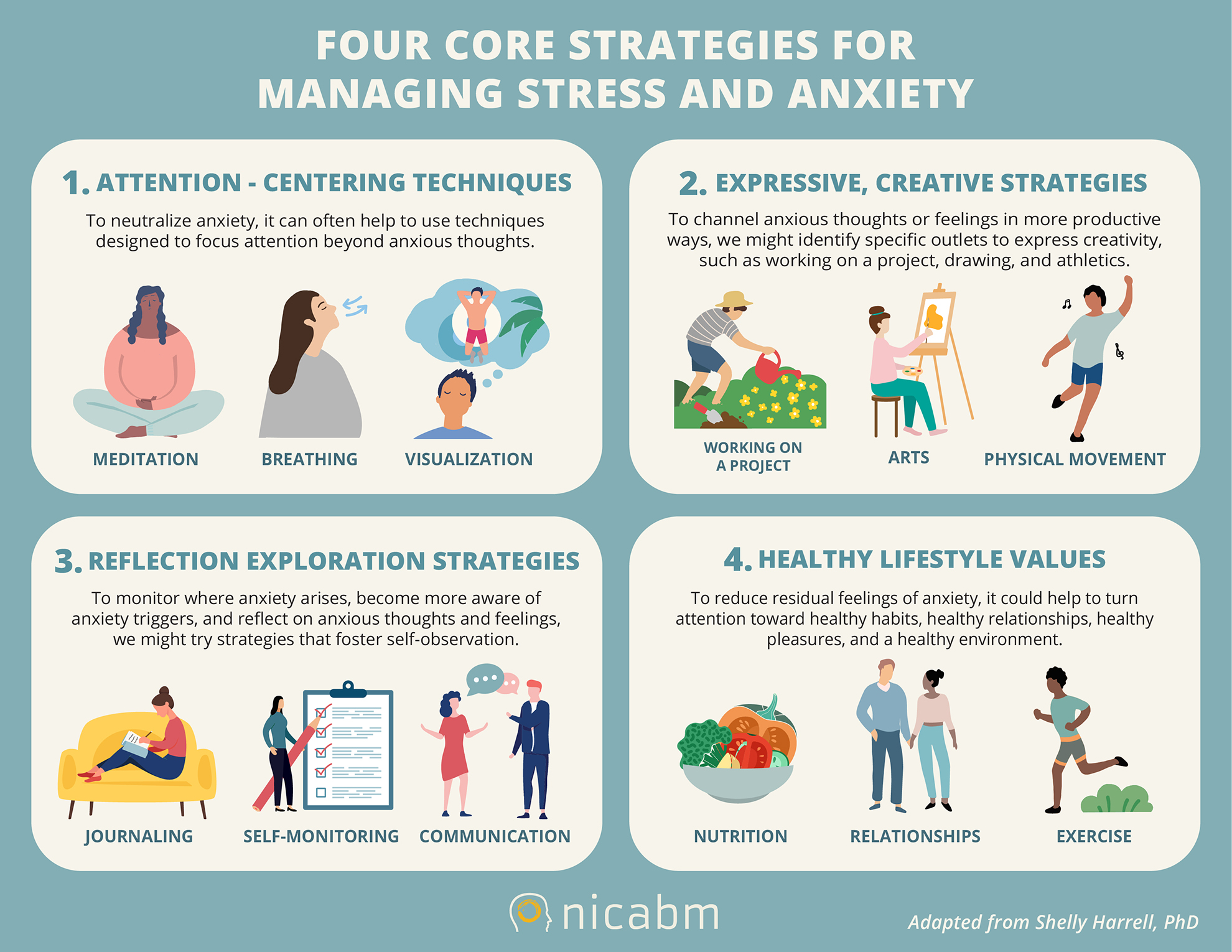
- Engage in Physical Activity: Regular exercise can help reduce stress and improve mental well-being.
- Practice Self-Care: Prioritize activities that promote relaxation and stress reduction, such as meditation, yoga, or deep breathing exercises.
- Set Up Tech-Free Zones: Designate specific areas or times of the day as tech-free to promote relaxation and reduce distractions.
- Seek Support: Share your concerns with friends and family, and seek support from others who may be facing similar challenges.
- Consider a Digital Detox: Plan a digital detox or take a break from technology for a set period to recharge and regroup.
Conclusion
Reducing stress from constant tech use requires intentional effort and boundaries. By setting limits on screen time, practicing mindful tech use, and taking regular breaks, you can regain control over your digital life and promote a healthier mental and physical wellbeing. Remember to seek support when needed, and consider seeking professional help if struggling to manage stress or feeling overwhelmed by technology. With these strategies, you can reduce stress and live a healthier, more balanced digital life.