Protecting Your Digital Activity Online: A Comprehensive Guide
In today's digital age, our online activities are more vulnerable than ever to cyber threats. With the rise of internet of things (IoT) devices, social media, and online transactions, our personal data is constantly being shared, collected, and potentially misused. Therefore, it is essential to take proactive steps to protect your digital activity online and safeguard your personal information.
The Importance of Online Privacy
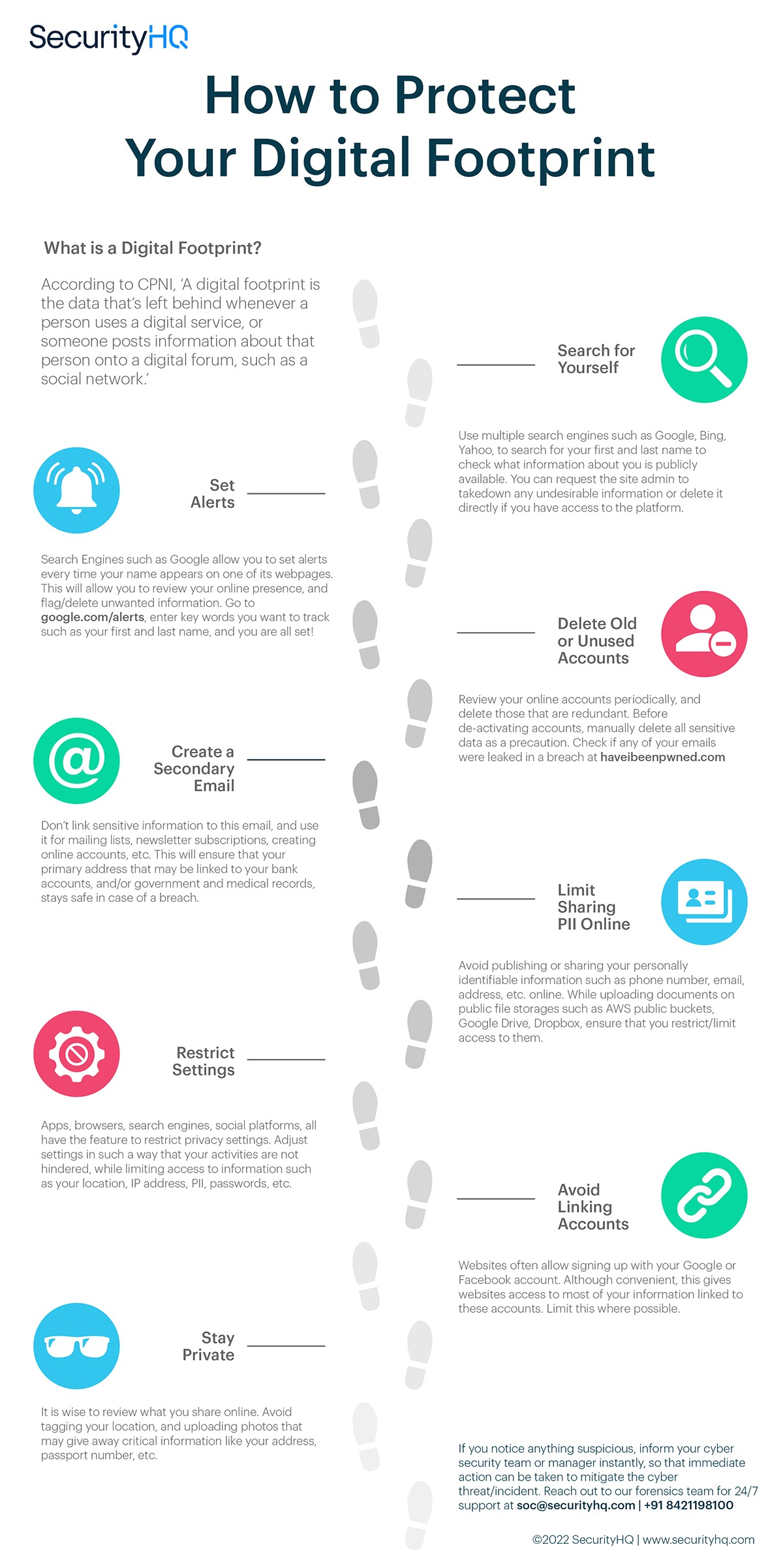
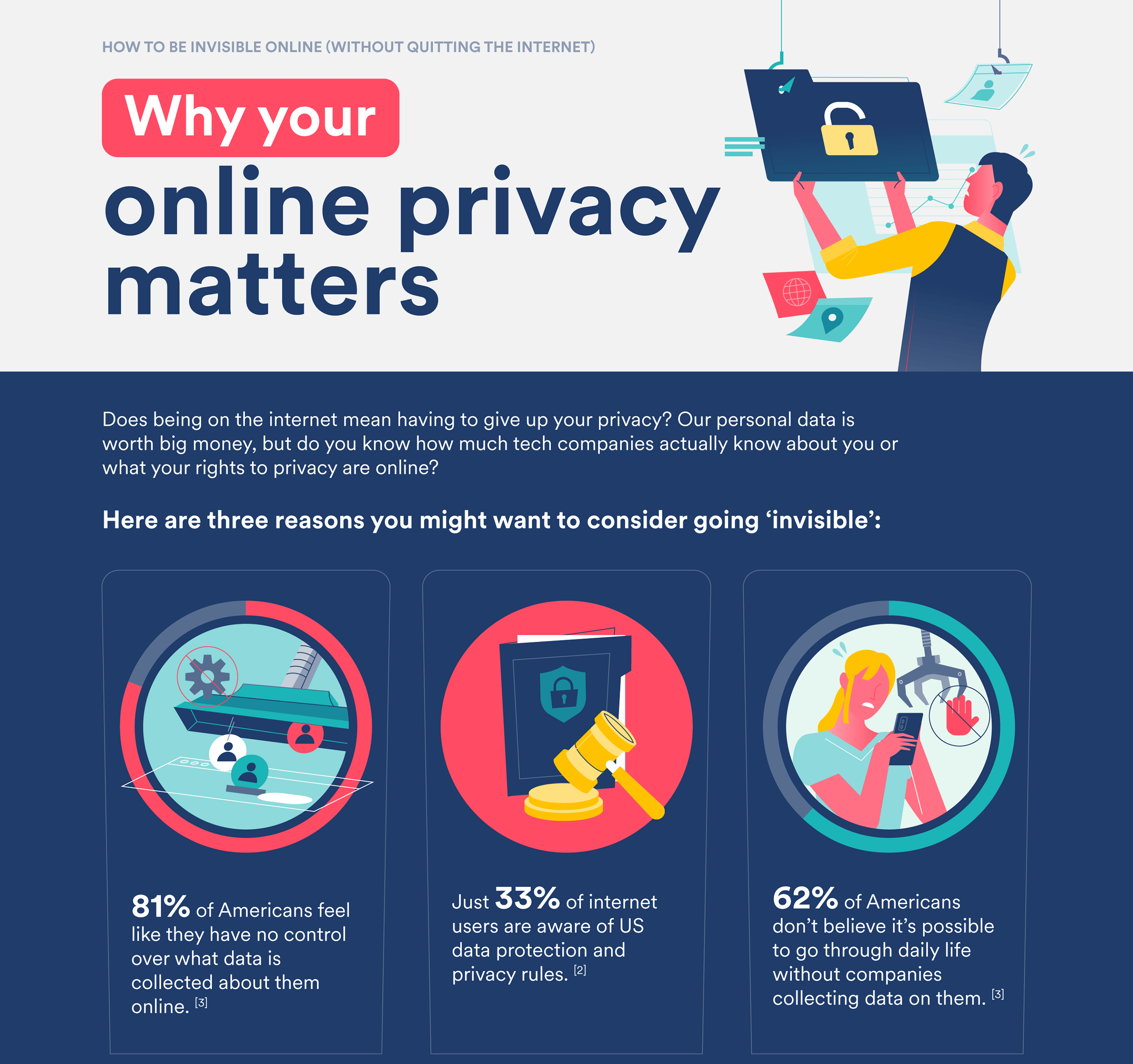
Your online presence is more than just pictures and posts - every click contributes to a detailed digital footprint that advertisers and other snoops can use to identify and track you. This is why protecting your online privacy is crucial to prevent identity theft, data breaches, and cyber attacks. By taking control of your digital footprint, you can limit the amount of personal information that is accessible to others and reduce the risk of online threats.
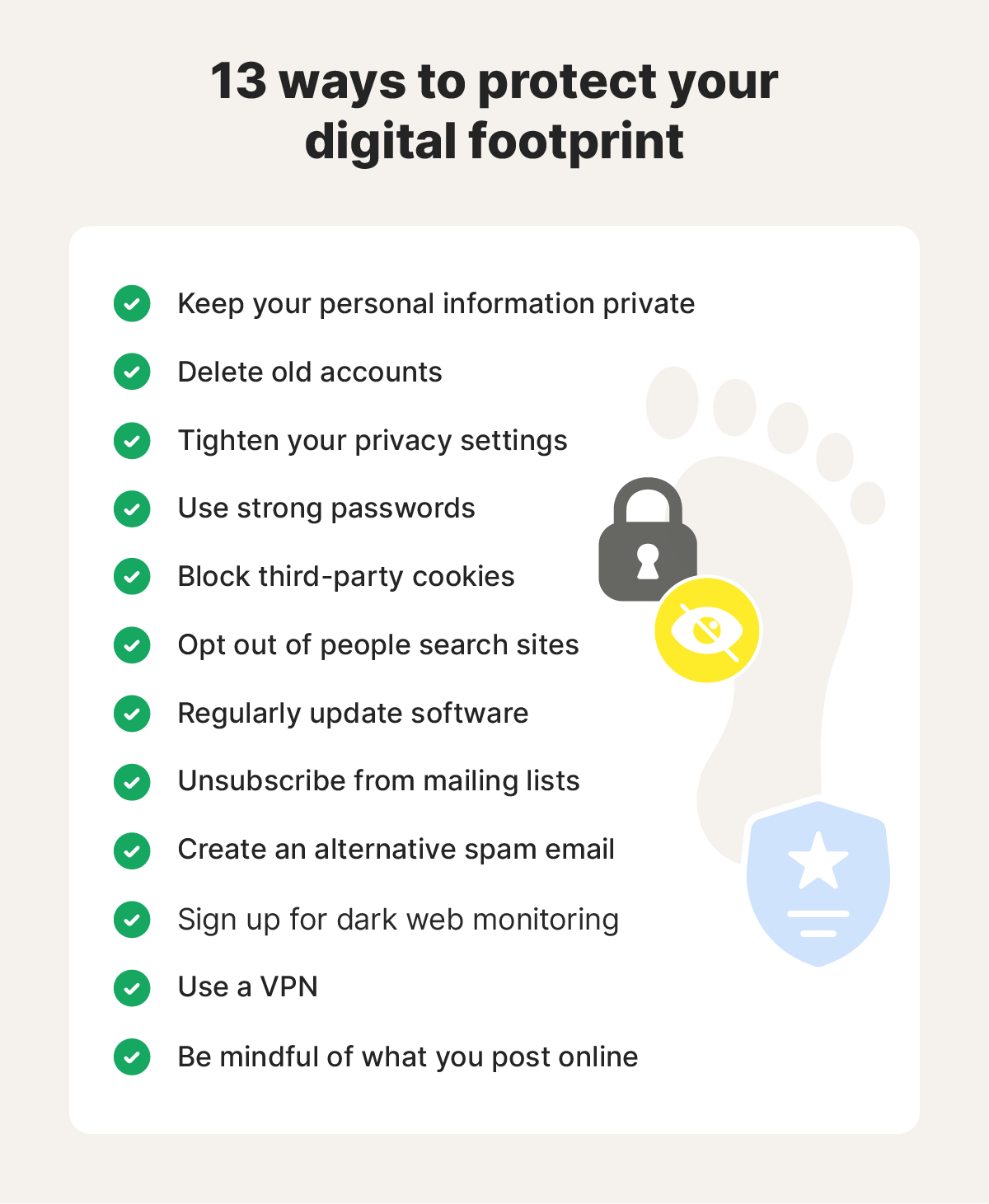
10 Actionable Ways to Protect Your Digital Activity Online
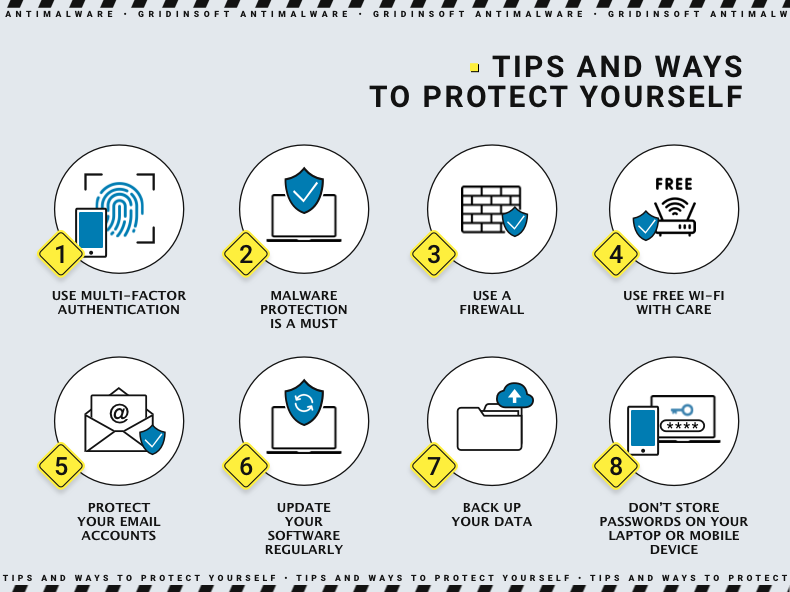
- 1. Use Strong and Unique Passwords: A strong password is the first line of defense against cyber threats. Use a combination of uppercase and lowercase letters, numbers, and special characters to create a unique password for each online account.
- 2. Enable Two-Factor Authentication (2FA): 2FA adds an extra layer of security to your online accounts by requiring a verification code sent to your phone or email in addition to your password.
- 3. Keep Your Devices and Software Up-to-Date: Regularly update your operating system, browser, and other software to ensure you have the latest security patches and features.
- 4. Be Cautious with Email Attachments and Links: Avoid opening suspicious email attachments and links, as they may contain malware or phishing scams.
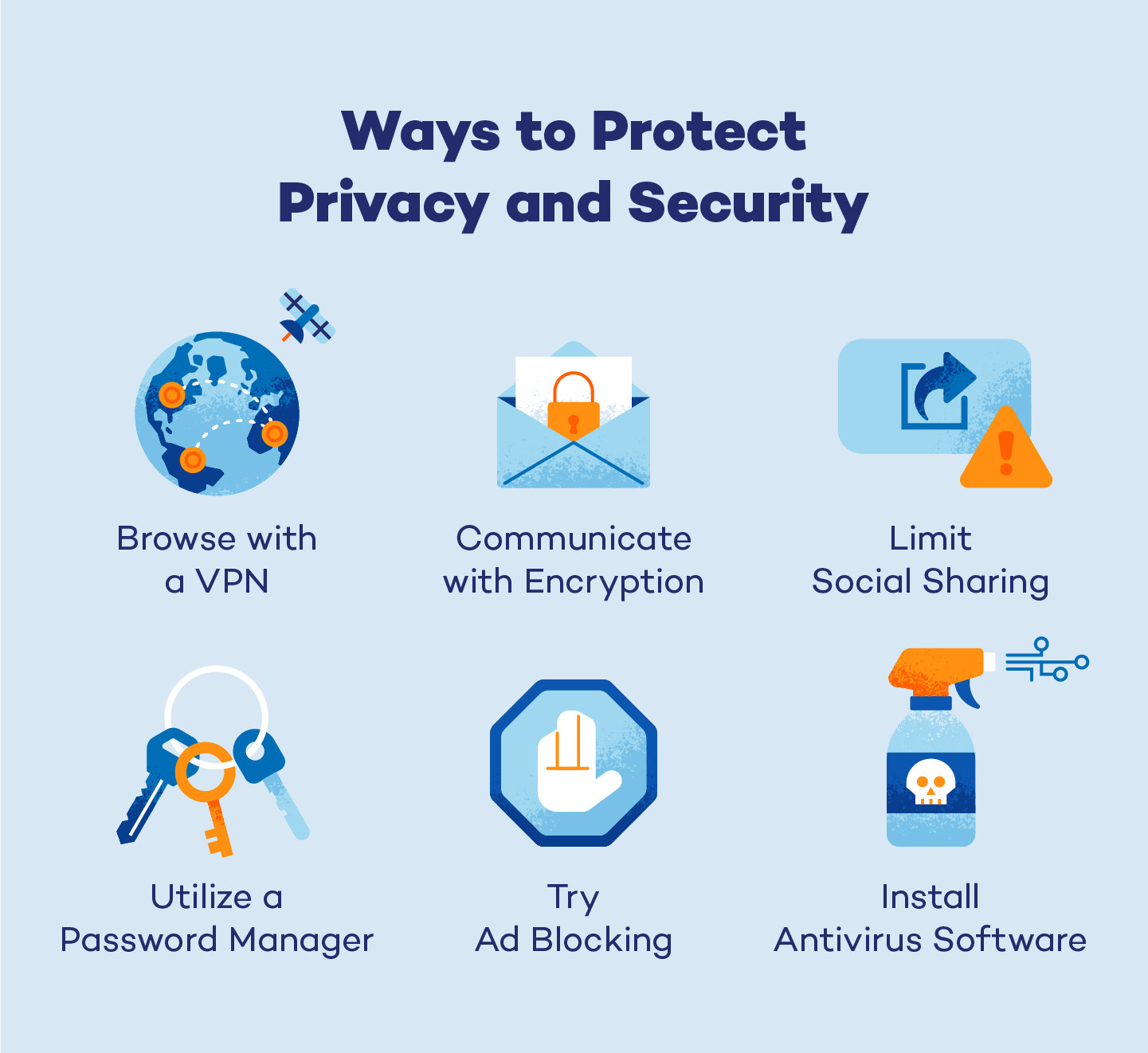
- 5. Use a Virtual Private Network (VPN): A VPN encrypts your internet traffic, making it difficult for hackers to intercept your data while using public Wi-Fi networks.
- 6. Monitor Your Credit Report and Financial Accounts: Regularly check your credit report and financial accounts for any suspicious activity or unauthorized transactions.
- 7. Use Encryption to Protect Your Data: Use encryption software or apps to protect your sensitive data, such as sensitive files and online transactions.
- 8. Be Mindful of Public Wi-Fi Networks: Avoid using public Wi-Fi networks for sensitive activities, such as online banking or shopping, as they may be vulnerable to hacking.
- 9. Use a Password Manager: A password manager can help you generate and store unique, complex passwords for each online account.
- 10. Stay Informed and Educated: Stay up-to-date with the latest cybersecurity threats and best practices to protect your digital activity online.
Conclusion
Protecting your digital activity online requires a combination of awareness, vigilance, and proactive measures. By following these 10 actionable steps, you can significantly reduce the risk of cyber threats and protect your personal information. Remember, your digital footprint is a reflection of your online activities, and taking control of it is essential to maintain your online safety and security.
Resources
For more information on protecting your digital activity online, check out the following resources:
- Aura's digital footprint checker
- Guardio's 7-day free trial
- LifeLock's online privacy guide
- Consumer Reports' online security guide