Protecting Data From Ransomware Attack
Ransomware attacks have become a significant concern for individuals and organizations alike. These malicious attacks can have devastating consequences, including financial loss, destruction of sensitive data, and even harm to reputation. In this article, we will explore the concept of ransomware, its impact, and provide tips on how to protect your data from ransomware attacks.
What is Ransomware?
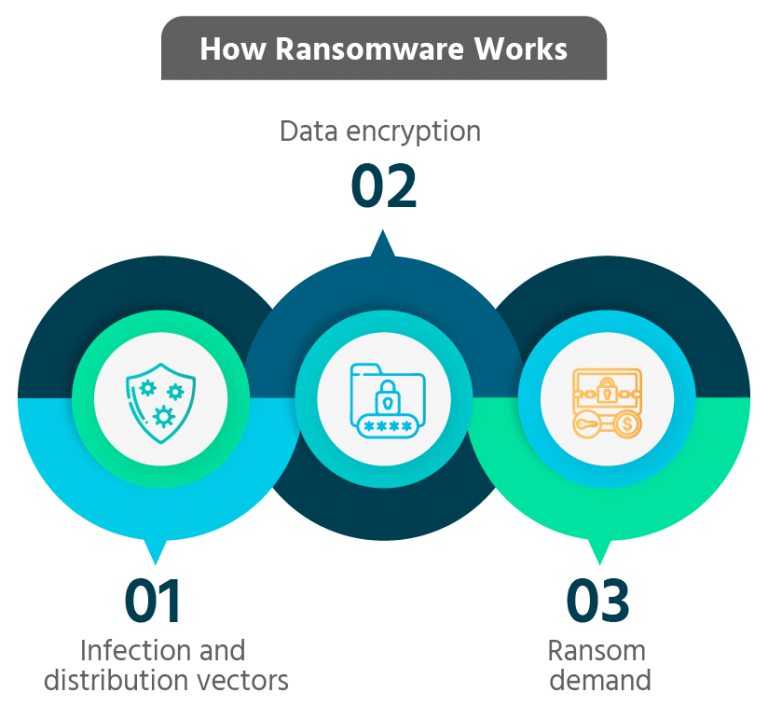
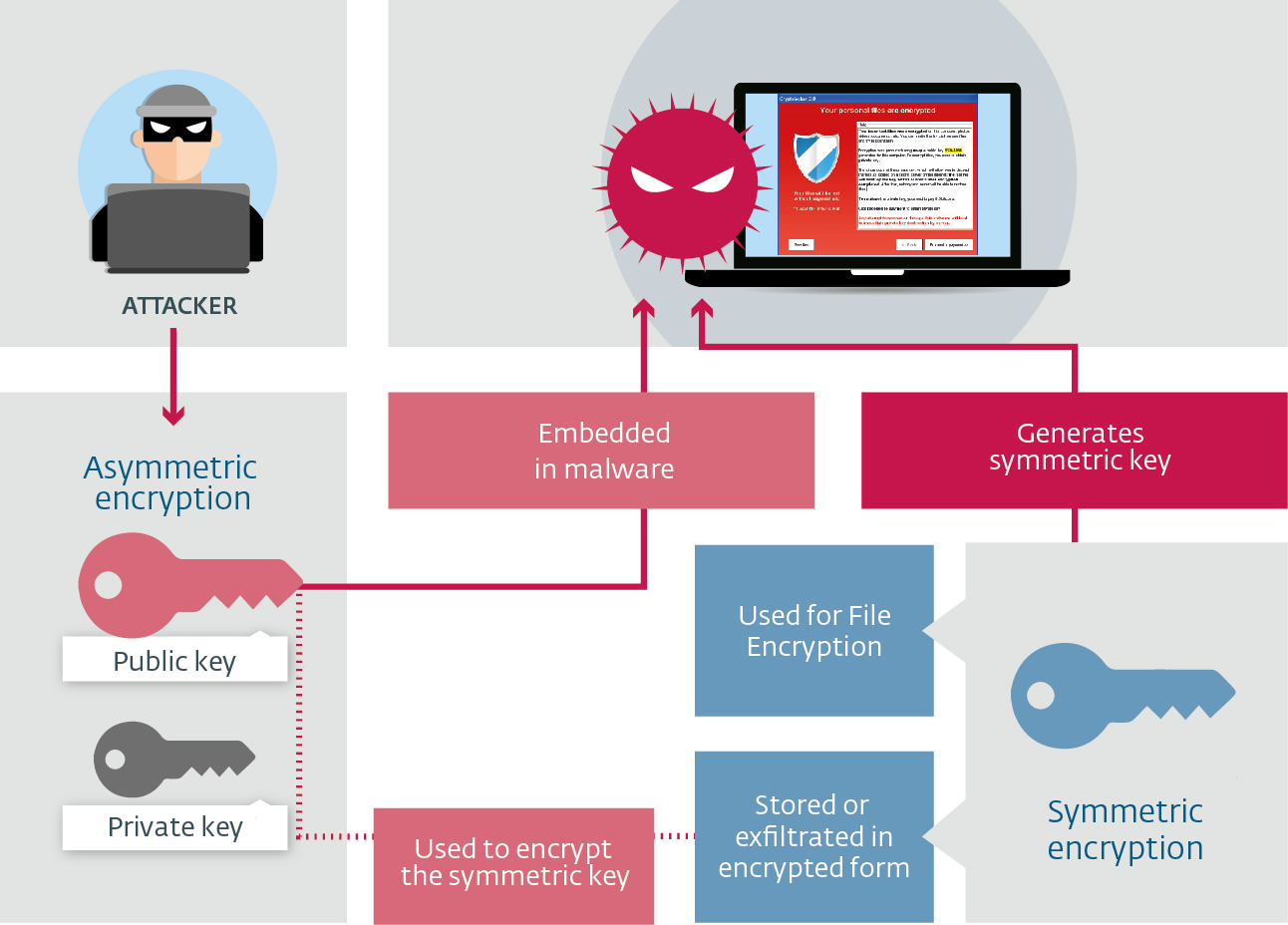
Ransomware is a type of malicious software that encrypts files and demands payment in exchange for the decryption key. It is a sophisticated form of malware that can affect both personal and business data. Ransomware attacks can spread rapidly through emails, phishing, and other methods, making it essential to take preventive measures to protect your data.
Types of Ransomware
There are different types of ransomware attacks, including
- Commodity ransomware: Spreads like a virus and infects devices, requiring malware remediation
- Human-operated ransomware: Involves active attacks by cybercriminals who infiltrate an organization's IT infrastructure
Protection Measures
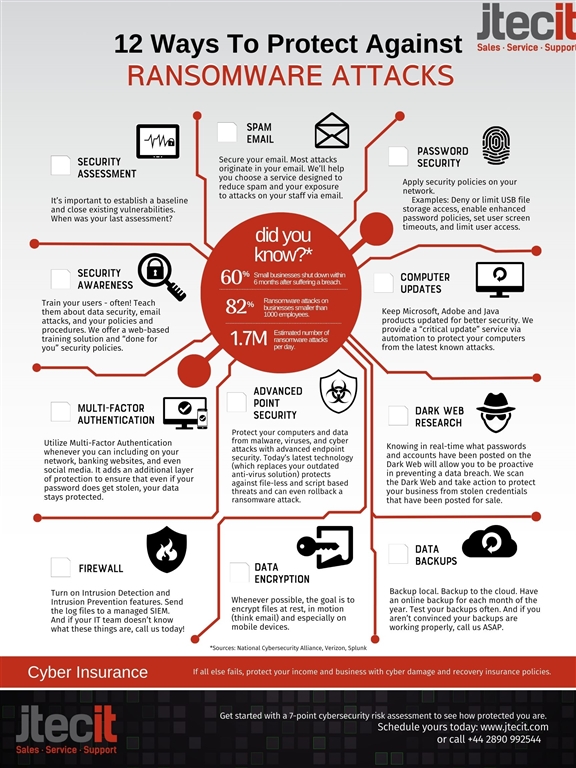
To protect your data from ransomware attacks, consider the following measures:
- Regular software updates: Ensure that your operating system, browser, and other software are up to date to prevent exploitation of known vulnerabilities
- Backup data: Regularly back up your critical data to an external device or cloud storage, securely and frequently
- Antivirus software: Install and regularly update antivirus software to detect and remove malware
- Email security training: Educate users on identifying phishing emails and other forms of online threats
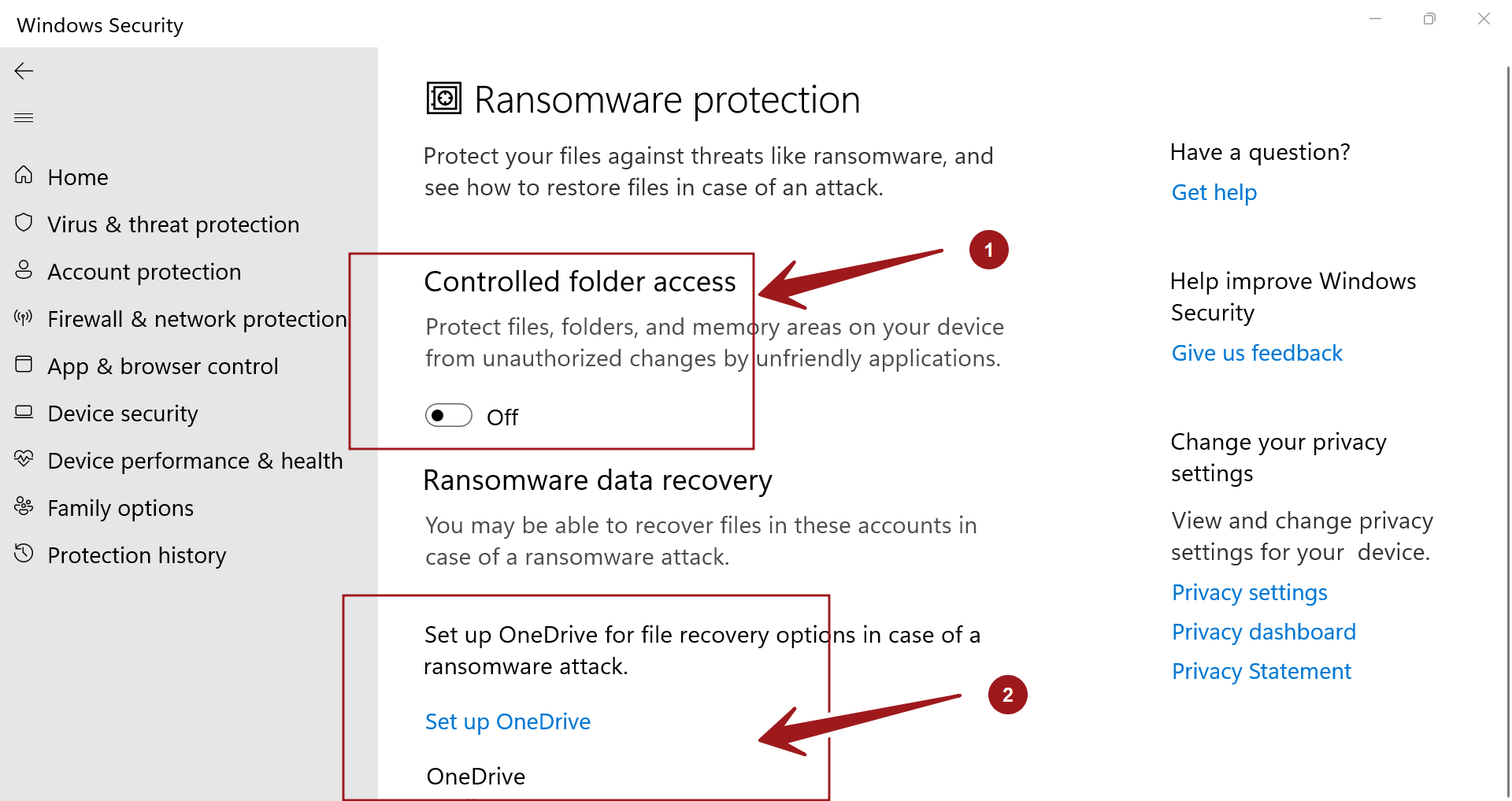
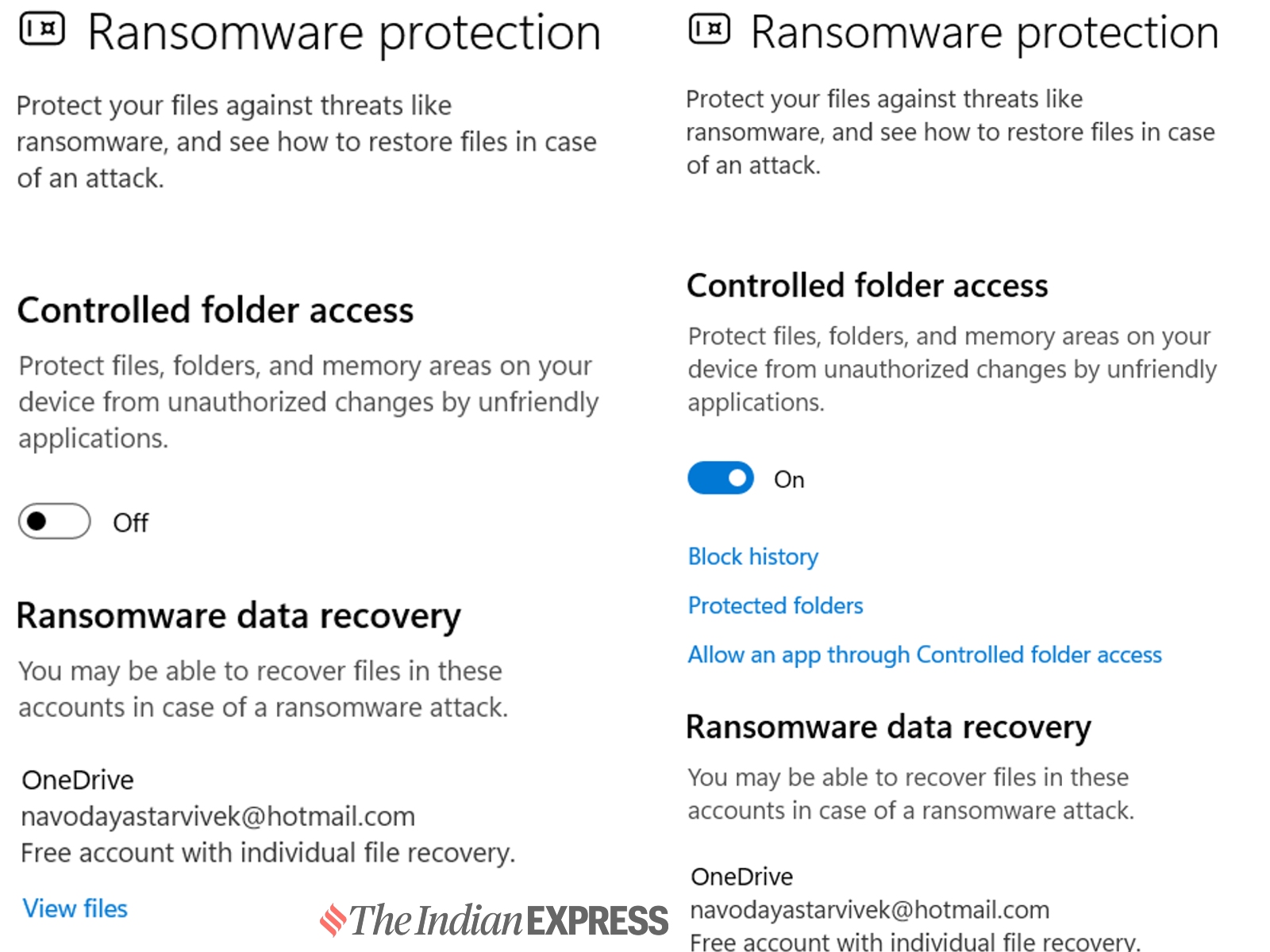
- Network Share Protection: Safeguard shared data by preventing ransomware from encrypting files on network drives
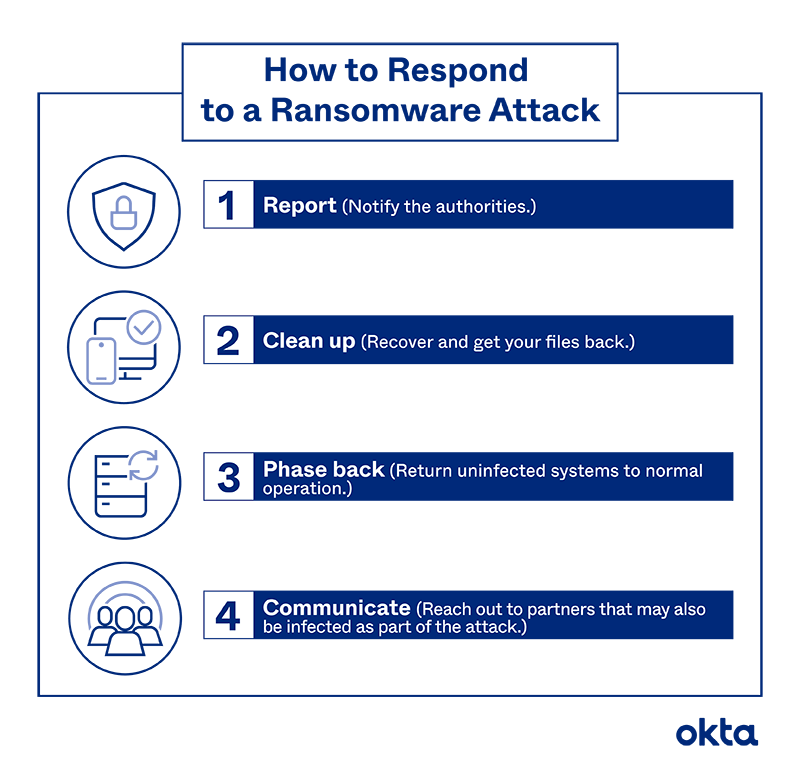
- Awareness and preparedness: Establish a cybersecurity awareness program and incident response plan to respond to potential attacks
Immutable Backups
Modern ransomware is designed to hunt down and encrypt connected backup drives. Immutable backups ensure that your backups are tamper-proof and cannot be modified or deleted by ransomware. This is a crucial step in protecting your business from ransomware attacks.
Prevention is Key
Preventing ransomware attacks is crucial to protecting your data and minimizing the risk of financial loss. Regular software updates, backup data, antivirus software, email security training, and awareness and preparedness through incident response plans can go a long way in preventing ransomware attacks. Stay informed about the latest cybersecurity threats and be proactive in protecting your organization's data.
The Cost of Ransomware
Ransomware attacks not only have financial consequences but also impact business operations, relationships with customers, and even patient care in healthcare settings. Understanding the risks and consequences of ransomware attacks is essential to develop effective prevention and mitigation strategies.
Conclusion
Ransomware attacks pose a significant threat to individuals and organizations, and it's essential to take preventive measures to protect your data. Regular software updates, backup data, antivirus software, email security training, and awareness and preparedness are just a few examples of the measures that can help mitigate the risk of ransomware attacks. With increased awareness and preparedness, you can protect your data from ransomware and prevent devastating consequences.
Get the Right Tools to Protect Your Data
Here are some valuable resources to help you protect your data from ransomware attacks:
- Stopransomwareguide from the US Department of Homeland Security
- Fortra's data loss prevention (DLP) software to discover, monitor, and block sensitive data
- Sophos Endpoint security to prevent the broadest range of threats