Preventing Identity Theft from Charity Events
Charity events are an essential part of raising funds for various causes and supporting those in need. However, these events can also be exploited by scammers and identity thieves, who use various tactics to steal sensitive information and funds. As a result, it's essential for charities, donors, and event participants to be aware of the risks and take steps to prevent identity theft from charity events.
Understanding Identity Theft
Identity theft occurs when an individual's personal information is stolen and used for fraudulent purposes, such as committing crimes, accessing financial accounts, or applying for credit. Identity thieves can target charity events by exploiting vulnerabilities in online donation systems, phishing emails, or in-person scams. The consequences of identity theft can be severe, including financial loss, damage to credit scores, and emotional distress.
Risks Associated with Charity Events
- Online Donation Systems:** Online donation platforms can be vulnerable to hacking and data breaches, compromising sensitive information.
- Phishing Emails:** Scammers may send phishing emails to charity event participants, pretending to be from a legitimate charity or donor, to trick them into revealing personal information.
- In-Person Scams:** Scammers may attend charity events in person, posing as donors or volunteers, to gather personal information or steal funds.
- Charity Legitimacy:** Scammers may create fake charities or use legitimate charity names to solicit donations, making it difficult to determine which charities are genuine.
Preventing Identity Theft from Charity Events
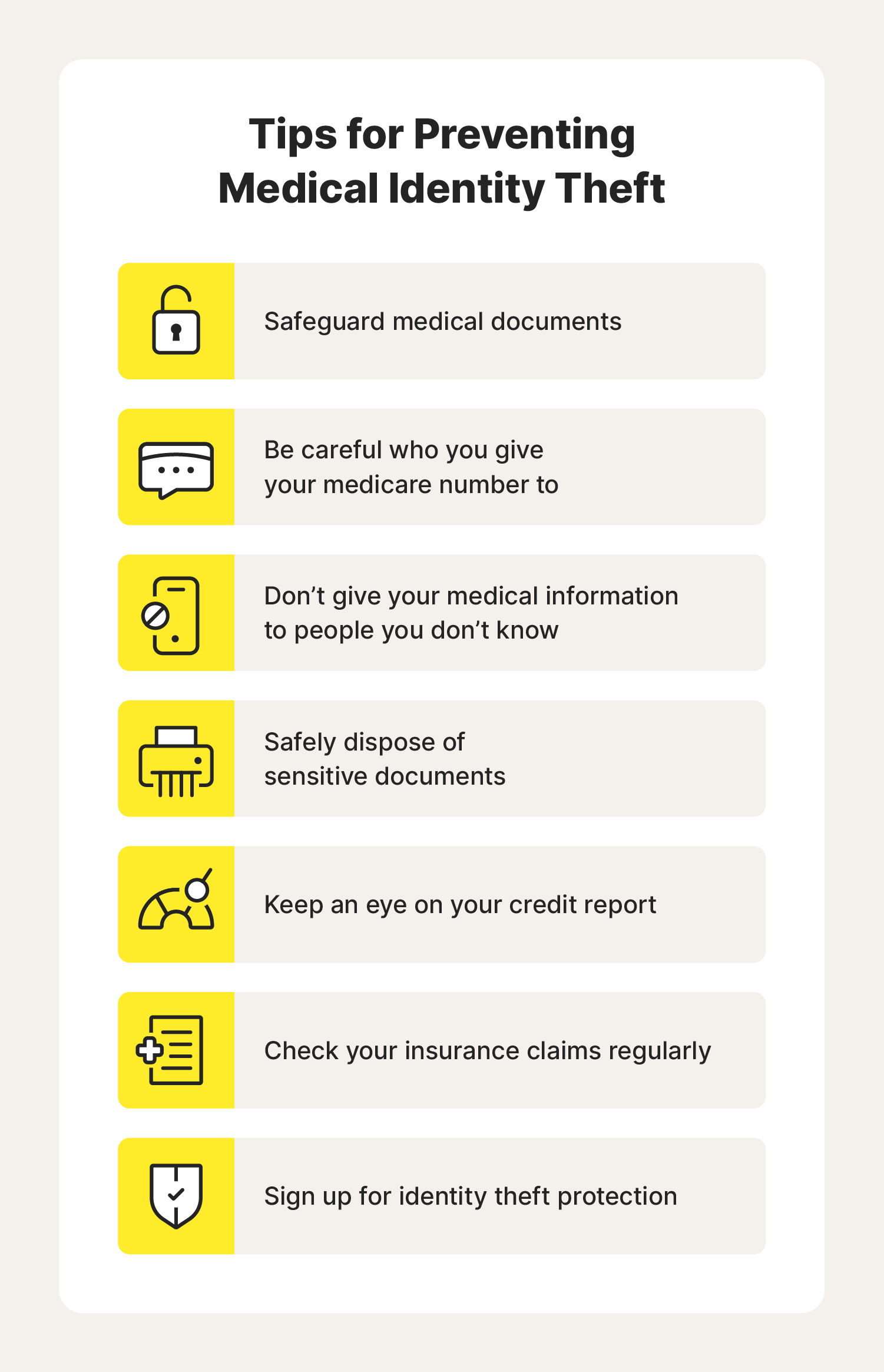
To prevent identity theft from charity events, follow these tips:
- Verify Charity Legitimacy:** Research the charity and its mission to ensure it's a legitimate organization.
- Use Secure Online Donation Systems:** Choose online donation platforms that use secure encryption and have a good reputation.
- Be Cautious with Email Communications:** Be wary of emails that ask for personal information or donations, and never respond to unsolicited emails.
- Monitor Credit Reports:** Regularly check credit reports for any suspicious activity or identity theft.
- Keep Personal Information Private:** Be mindful of sharing personal information, such as social security numbers or financial information, with anyone.
Best Practices for Charities
Charities can take the following steps to prevent identity theft from charity events:
- Implement Strong Online Security Measures:** Use secure encryption and two-factor authentication to protect online donation systems.
- Verify Donor Information:** Verify donor information and confirm donations before processing them.
- Train Staff and Volunteers:** Educate staff and volunteers on identity theft prevention and what to do if they suspect a scam.
- Conduct Regular Audits:** Regularly review financial records and donation systems to detect any potential security breaches.
Conclusion
Preventing identity theft from charity events requires awareness, caution, and best practices. By understanding the risks associated with charity events and taking steps to prevent identity theft, charities, donors, and event participants can help ensure the integrity of charitable giving and support those in need.