Phantom Vibration Disorder: The Unseen Reality of Smartphones
The modern world is in a state of technological revolution, with smartphones acting as an integral part of our daily lives. However, as much as smartphones have revolutionized the way we interact, work, and live, they have also started to take a toll on our mental health. One such phenomenon that has gained significant attention in recent years is Phantom Vibration Disorder (PVD). In this article, we will delve into the world of Phantom Vibration Disorder, its causes, effects, and what we can do to overcome it.
What is Phantom Vibration Disorder?
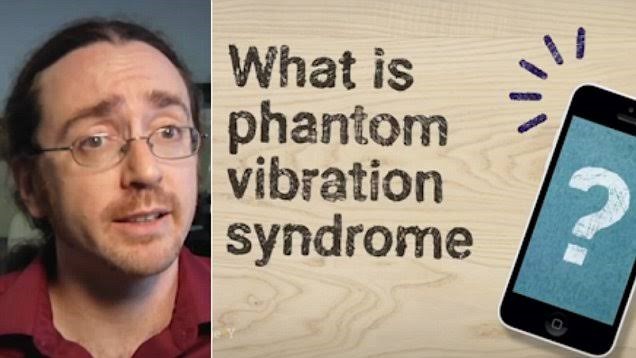
Phantom Vibration Disorder, also known as Phantom Vibration Syndrome (PVS), is a phenomenon where individuals perceive their phone to be vibrating or ringing, even when it is not. This sensation can be both distressing and unsettling, making one wonder if it's just their imagination running wild or a manifestation of a deeper issue. The term Phantom Vibration Disorder was first coined in the early 2000s, and since then, numerous studies have been conducted to understand its prevalence and effects.
Why Do People Experience Phantom Vibration Disorder?
So, what triggers Phantom Vibration Disorder? The answer lies in our heightened expectations and anxiety about receiving notifications from our phones. With the continuous stream of information and constant connectivity, our brains have become accustomed to expecting a response or message from our phones. This constant state of expectation can manifest in the form of Phantom Vibration Syndrome, where our brains are tricked into thinking that our phone is vibrating when it is not.
Factors such as excessive phone usage, social media anxiety, and FOMO (Fear of Missing Out) have been identified as contributing factors to Phantom Vibration Disorder. Additionally, individuals with pre-existing anxiety disorders, depression, and stress levels are at a higher risk of experiencing Phantom Vibration Syndrome.
Consequences of Phantom Vibration Disorder
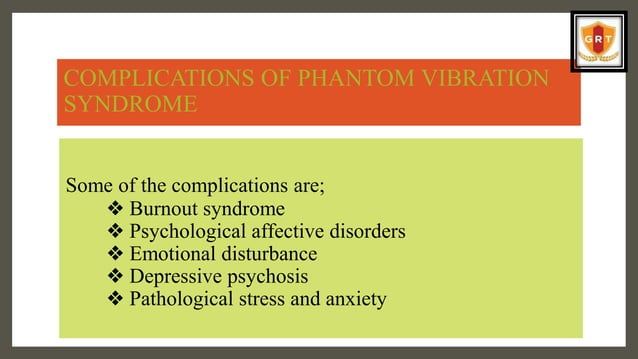
While Phantom Vibration Disorder may seem harmless at first, it can have a significant impact on an individual's mental health and overall well-being. Studies have shown that individuals with Phantom Vibration Syndrome are more likely to experience anxiety, stress, and depression. Moreover, repeated episodes of Phantom Vibration Disorder can lead to a decrease in attention span, sleep disorders, and a weakened immune system.
Breaking Free from Phantom Vibration Disorder
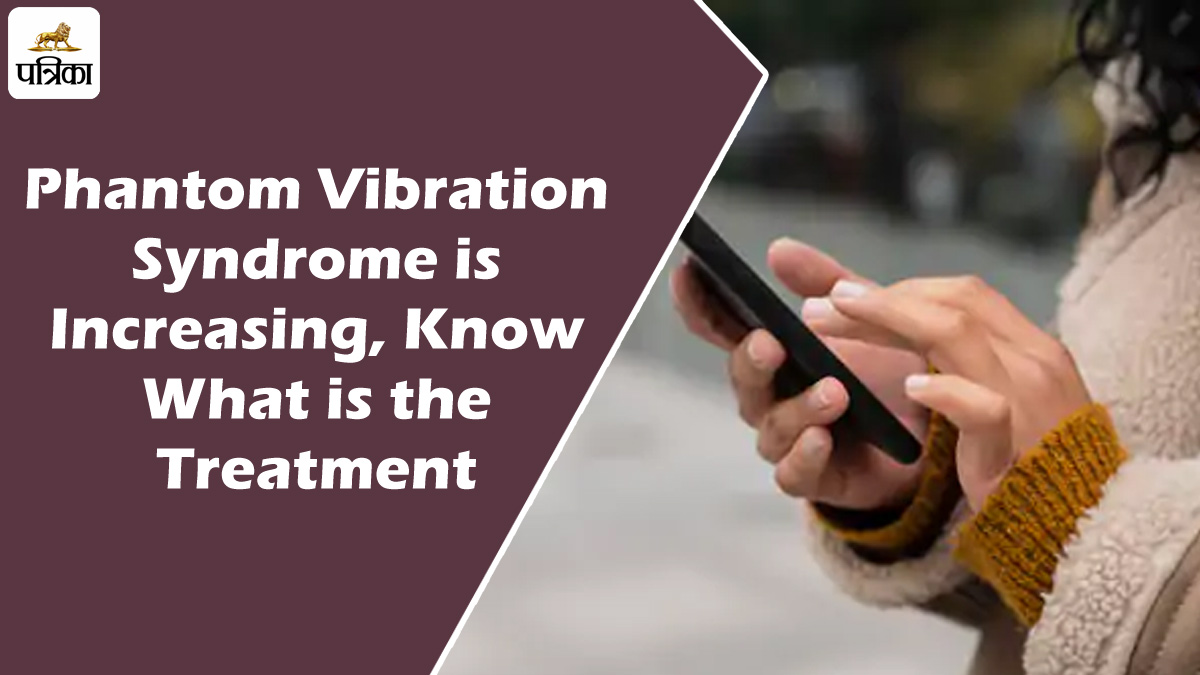
Fortunately, there are steps that can be taken to overcome Phantom Vibration Disorder. By becoming more mindful of our phone usage and setting boundaries around our screen time, we can reduce the likelihood of experiencing Phantom Vibration Syndrome. Implementing phone control features such as Do Not Disturb mode, turning off notifications, and practicing phone-free moments can help alleviate this phenomenon.
Conclusion
Phantom Vibration Disorder is a reality that many of us have faced at one point or another. However, by understanding its causes and effects, we can take proactive steps to break free from its grasp. By being more aware of our phone usage, reducing our expectations, and taking care of our mental health, we can reduce the likelihood of experiencing Phantom Vibration Syndrome and live a healthier, more balanced life.
Statistics and Facts
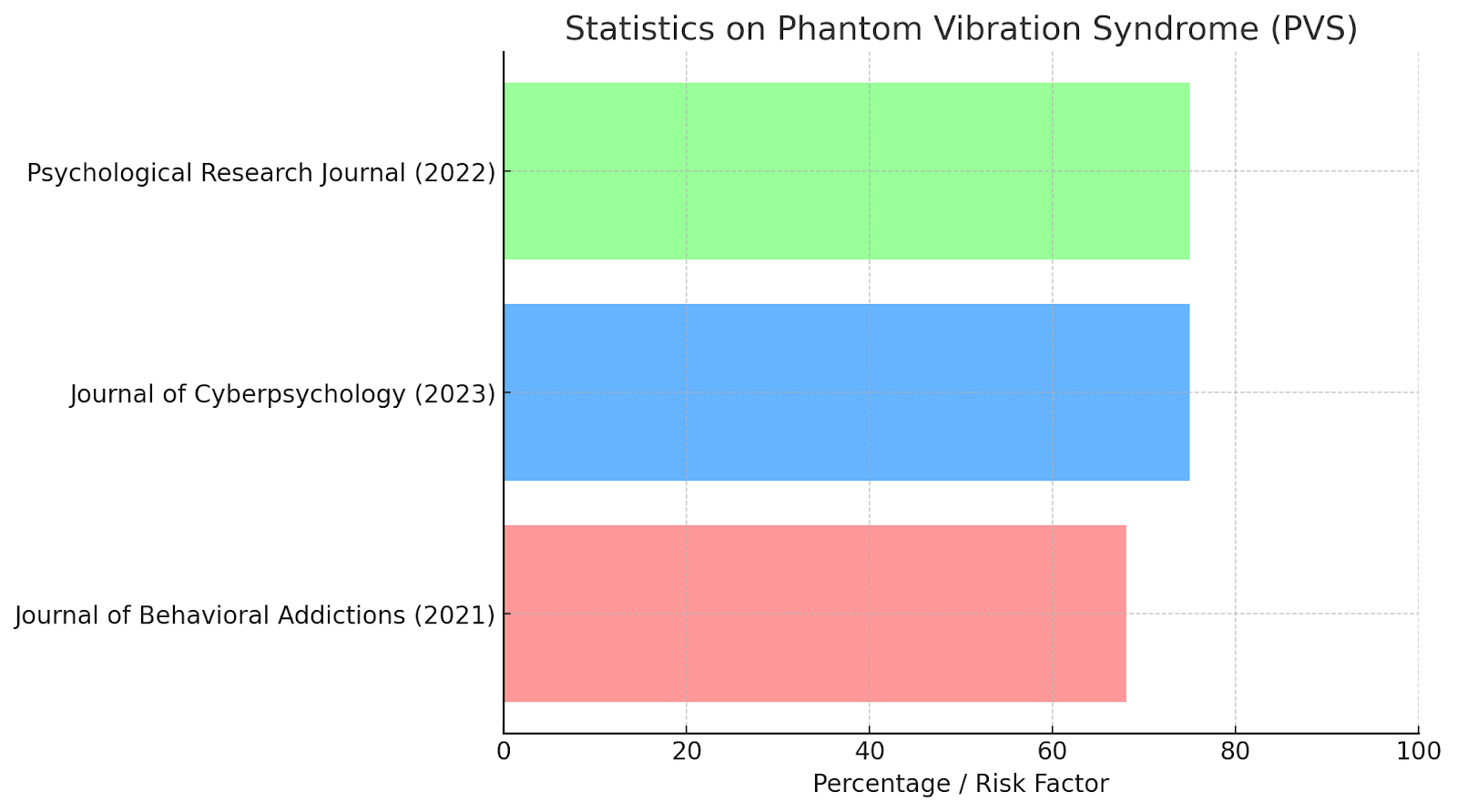
- Up to 89% of phone users experience Phantom Vibration Disorder
- Individuals with excess phone usage are more likely to experience Phantom Vibration Syndrome
- Women are more likely to experience Phantom Vibration Syndrome than men
- Phone addiction is a growing concern in the modern world
Take Action Today
By understanding Phantom Vibration Disorder and its effects, we can take control of our mental health and live a more balanced life. Take the first step today and start decreasing your phone usage, setting boundaries around your screen time, and practicing phone-free moments. You can overcome Phantom Vibration Disorder and break free from its grip.