Lack of Sleep Regulation: The Silent Pandemic Affecting Humanity
Sleep is one of the most essential functions of the human body, playing a critical role in cognitive function, emotional regulation, and overall well-being. However, an alarming number of people worldwide suffer from a lack of sleep regulation, leading to a myriad of physical and mental health issues.
Understanding Sleep Regulation
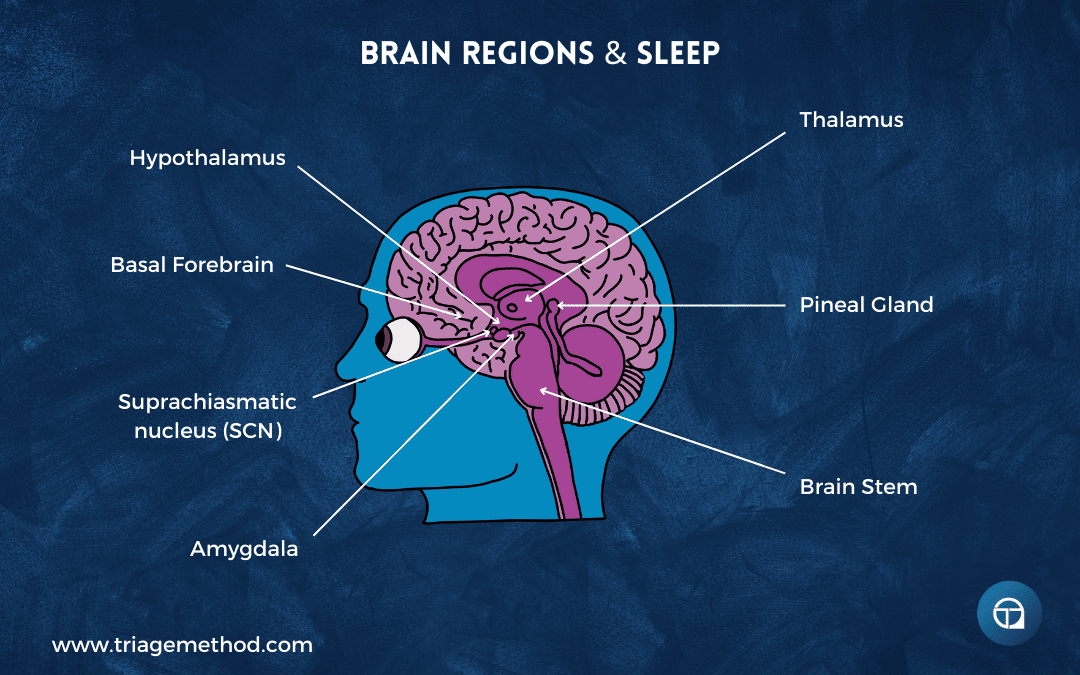
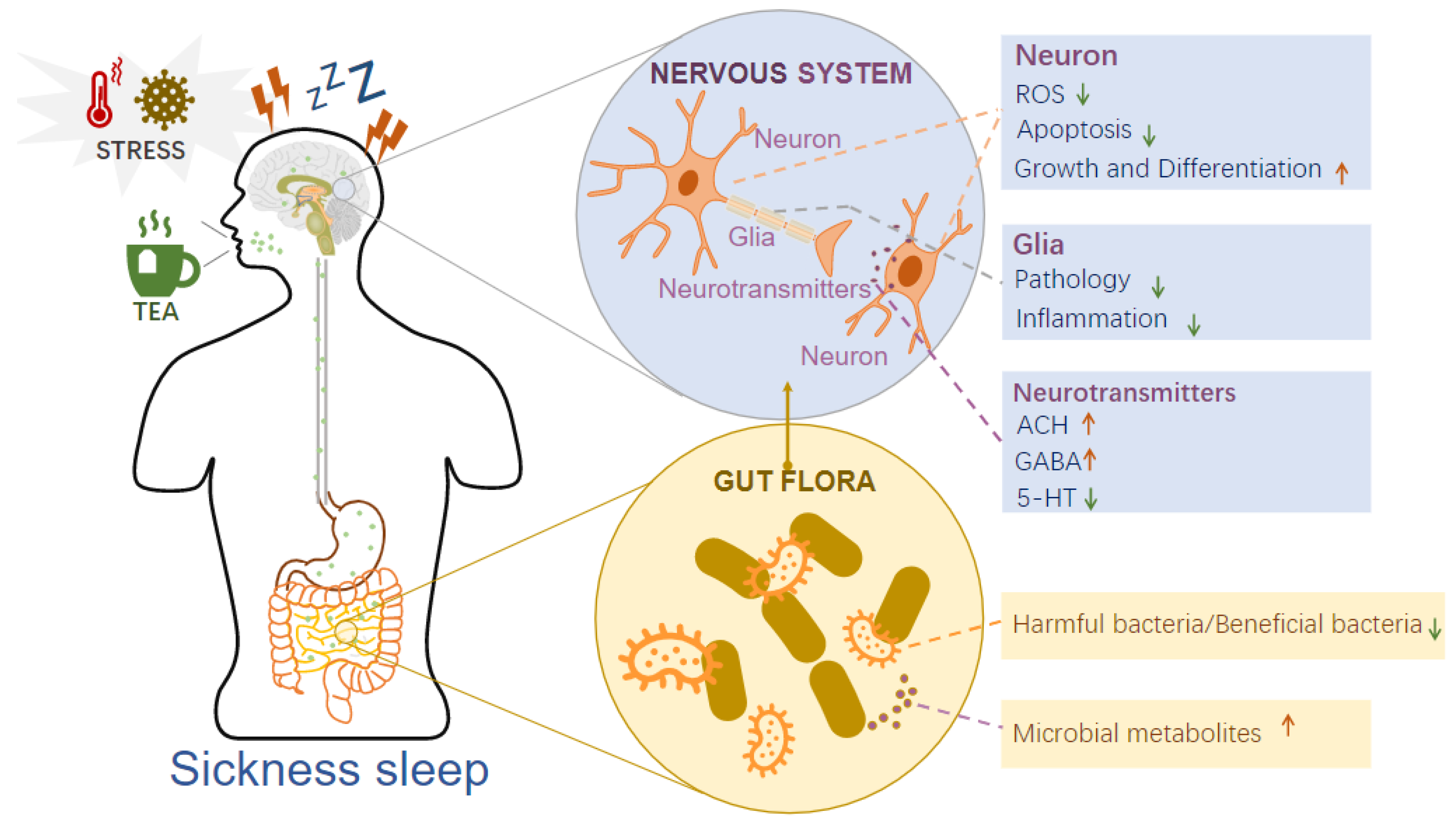
Sleep regulation refers to the body's ability to regulate the sleep-wake cycle, also known as the circadian rhythm. This intricate process involves a complex interplay of internal and external factors, including the brain's response to light, temperature, and other environmental stimuli. However, when the sleep-wake cycle is disrupted, it can lead to a host of problems, including insomnia, daytime fatigue, and mood disturbances.
Consequences of Lack of Sleep Regulation
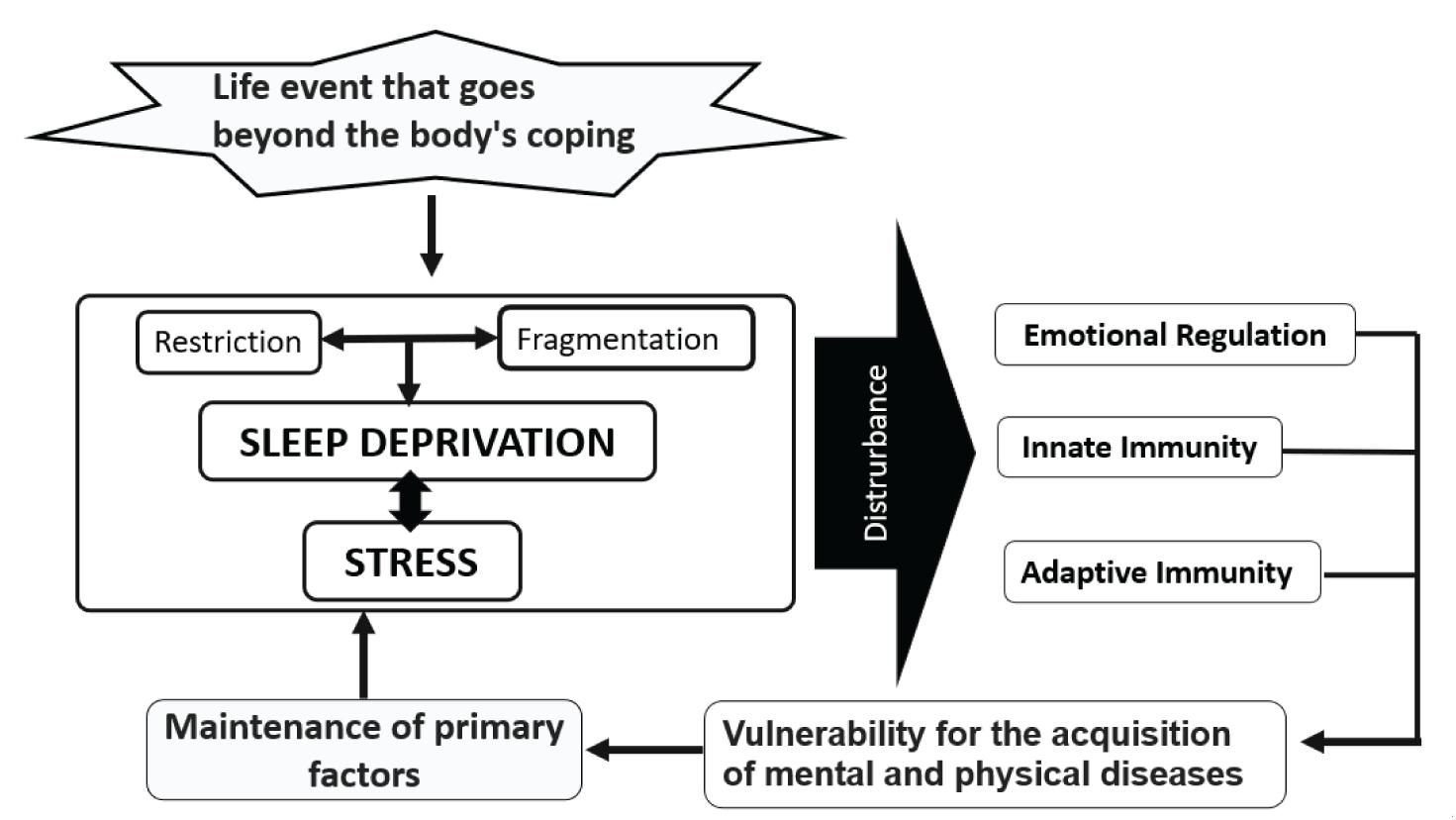
- Impaired Cognitive Function: Sleep deprivation can affect attention, memory, and decision-making skills, ultimately leading to decreased productivity and performance.
- Emotional Regulation: Lack of sleep can lead to increased emotional reactivity, irritability, and mood swings, making it challenging to manage stress and anxiety.
- Physical Health: Chronic sleep deprivation has been linked to an increased risk of chronic diseases, including heart disease, diabetes, and obesity.
- Mental Health: Sleep disorders can contribute to the development of anxiety, depression, and other mental health conditions.
Causes and Risk Factors
Several factors can contribute to a lack of sleep regulation, including:
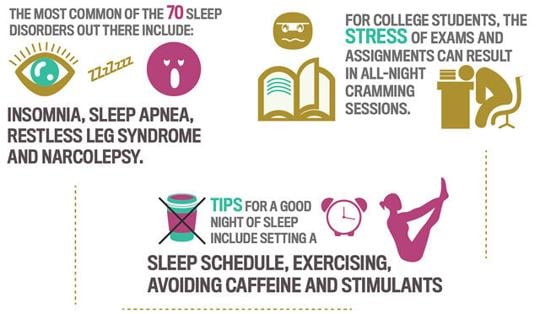
- Irregular sleep schedules
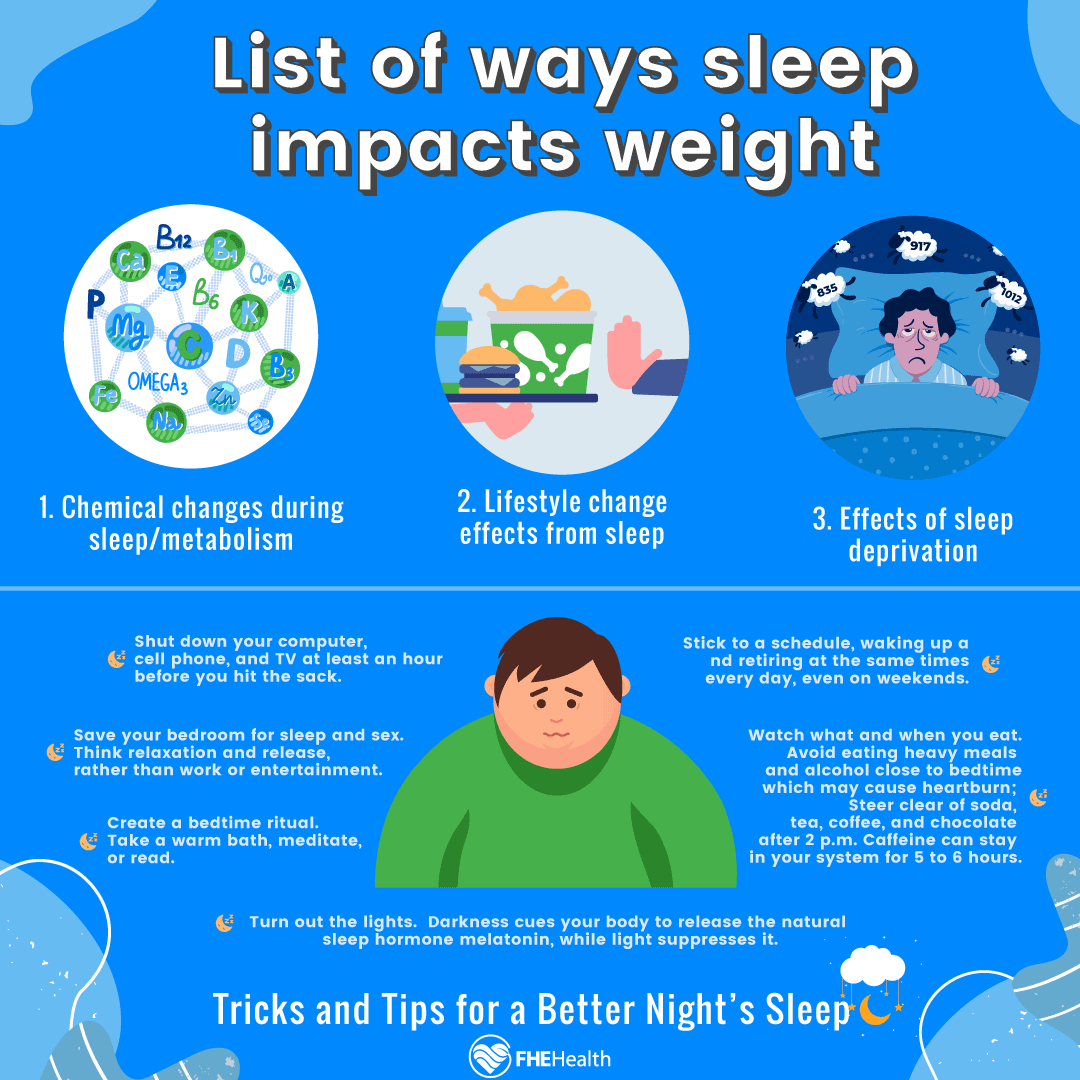
- Excessive screen time and exposure to electronic devices before bed
- Stress and anxiety
- Medical conditions, such as sleep apnea or restless leg syndrome
- Genetic predisposition
Treatment and Prevention
Fortunately, there are various treatments and strategies that can help regulate sleep patterns and improve overall sleep quality:
- Establish a consistent sleep schedule
- Create a relaxing bedtime routine
- Improve sleep hygiene, such as avoiding caffeine and electronics before bed
- Exercise regularly, but not before bedtime
- Seek professional help if sleep disorders persist
Conclusion
The lack of sleep regulation is a pervasive issue affecting millions of people worldwide. By understanding the causes, consequences, and treatments of sleep disorders, individuals can take proactive steps to improve their sleep quality and overall well-being. Furthermore, addressing sleep disorders requires a comprehensive approach, involving healthcare professionals, policymakers, and individuals themselves. By working together, we can combat the growing epidemic of sleep disorders and promote healthier, happier lives.