Information Overload in the Corporate World: A Growing Concern
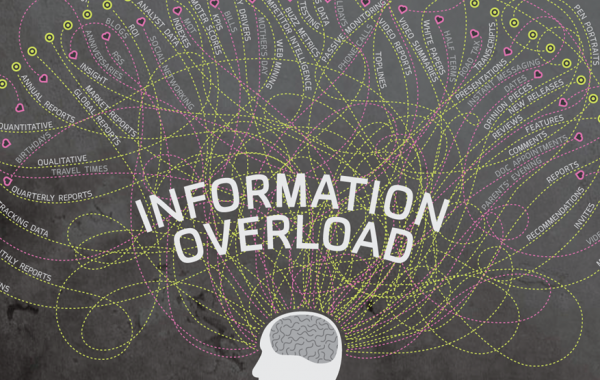
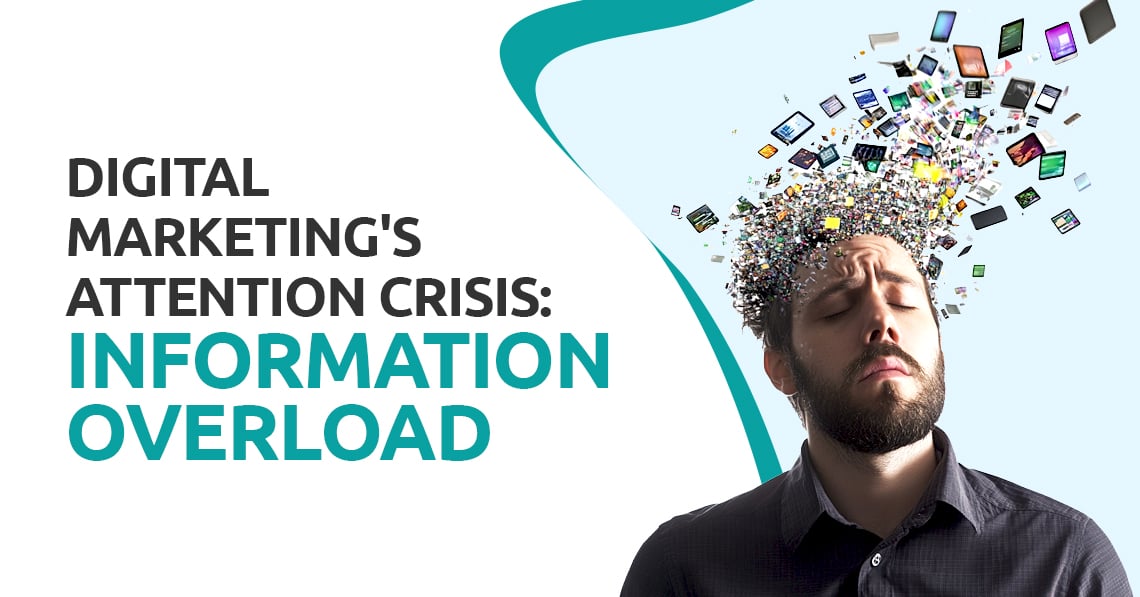
The modern corporate world is fraught with challenges, and one of the most significant issues facing organizations today is information overload. The sheer volume of data and information that employees are exposed to on a daily basis can be overwhelming, leading to decreased productivity, reduced creativity, and a plethora of other negative consequences.
The Causes of Information Overload
Proliferation of digital communication tools: Emails, instant messaging, social media, news feeds, and other digital channels constantly push new information, contributing to the feeling of overwhelm.
Vast amount of data available: The internet and digital archives provide access to an unprecedented volume of information, making it difficult for employees to navigate and make sense of it all.
Digitalization of the workplace: The increasing use of information and communication technologies has led to a rapid expansion of data, making it harder for employees to stay on top of their work.
The Effects of Information Overload
Stress and anxiety: Feeling overwhelmed by the sheer amount of information to process can lead to increased stress and anxiety levels, negatively affecting employees' mental health.
Reduced productivity: More time is spent filtering information, and less time is available for core tasks, resulting in decreased productivity and efficiency.
Decreased creativity: With information overload, employees may feel overwhelmed and struggling to keep up, leading to decreased creativity and innovation.
Managing Information Overload

While information overload is a significant challenge, it is not insurmountable. Employers and employees can take several steps to manage information overload and improve the work environment:
Consolidating communication tools: Reducing the number of digital channels and platforms can help alleviate information overload.
Reducing unnecessary notifications: Eliminating or minimizing notifications can help employees stay focused and avoid distractions.
Segmenting customer messaging: Tailoring communication to specific customer groups or needs can help reduce information overload.
Implementing centralized platforms: Digital Asset Management (DAM) systems and other centralized platforms can help streamline information and make it more accessible.
Conclusion
Information overload is a growing concern in the corporate world, with significant consequences for employees and employers alike. By understanding the causes and effects of information overload, organizations can take proactive steps to manage this issue and improve the work environment. By implementing strategies such as consolidating communication tools, reducing unnecessary notifications, and implementing centralized platforms, employers can reduce information overload and create a more productive and innovative work environment.
FAQs
Q: What is information overload? A: Information overload refers to the feeling of being overwhelmed by an excessive amount of information presented at once.
Q: What are the causes of information overload? A: Common causes include proliferation of digital communication tools, vast amount of data available, and digitalization of the workplace.
Q: How can information overload be managed? A: Strategies include consolidating communication tools, reducing unnecessary notifications, and implementing centralized platforms.