The Impact of Hyperconnectivity on Road Safety: A Comprehensive Analysis
Introduction
The rapid advancement of technology has led to a significant increase in hyperconnectivity, which has transformed the way we interact with each other and with our environment. In the context of road safety, hyperconnectivity has introduced new challenges and opportunities. This article aims to provide a comprehensive analysis of the impact of hyperconnectivity on road safety, exploring the various aspects that connectivity brings as a means to improve traffic safety and efficiency.What is Hyperconnectivity?
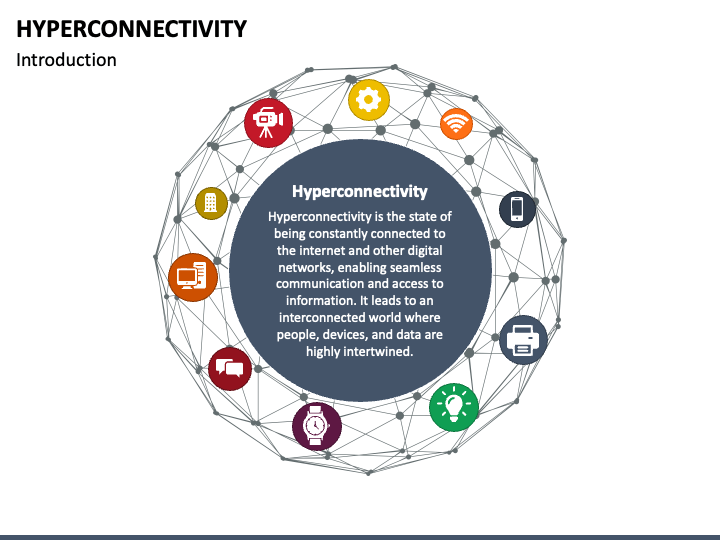
Hyperconnectivity is a term that refers to the deep fusion of human, machine, and digital interfaces, which stems from progressive advancements in information and communication technologies designed to enrich human interaction. It is characterized by the increasing use of connected devices, the internet of things (IoT), and big data analytics, which have revolutionized the way we live, work, and interact with each other.The Impact of Hyperconnectivity on Road Safety
The impact of hyperconnectivity on road safety is multifaceted and complex. On the one hand, hyperconnectivity has introduced new safety risks and challenges, such as the potential for driver distraction, increased vehicle-to-vehicle and vehicle-to-infrastructure (V2V/V2I) connectivity, and the need for cybersecurity measures to protect against hacking and data breaches.Advantages of Hyperconnectivity in Road Safety
Despite the challenges, hyperconnectivity has also introduced several advantages that can improve road safety. Some of these advantages include:- Improved traffic management and flow: Hyperconnectivity enables real-time data collection and analysis, which can help traffic managers to optimize traffic signal timing, reduce congestion, and improve traffic flow.
- Enhanced driver safety: Connected vehicles can communicate with each other and with the infrastructure, enabling them to anticipate and react to potential hazards, such as pedestrian or vehicle movements.
- Increased vehicle safety features: Connected vehicles can receive real-time updates on road conditions, weather, and other factors that can impact safety, enabling them to adjust their speed and trajectory accordingly.
- Improved accident response: Hyperconnectivity enables emergency services to respond quickly and effectively to accidents, reducing the severity of injuries and fatalities.

Risks and Challenges of Hyperconnectivity in Road Safety
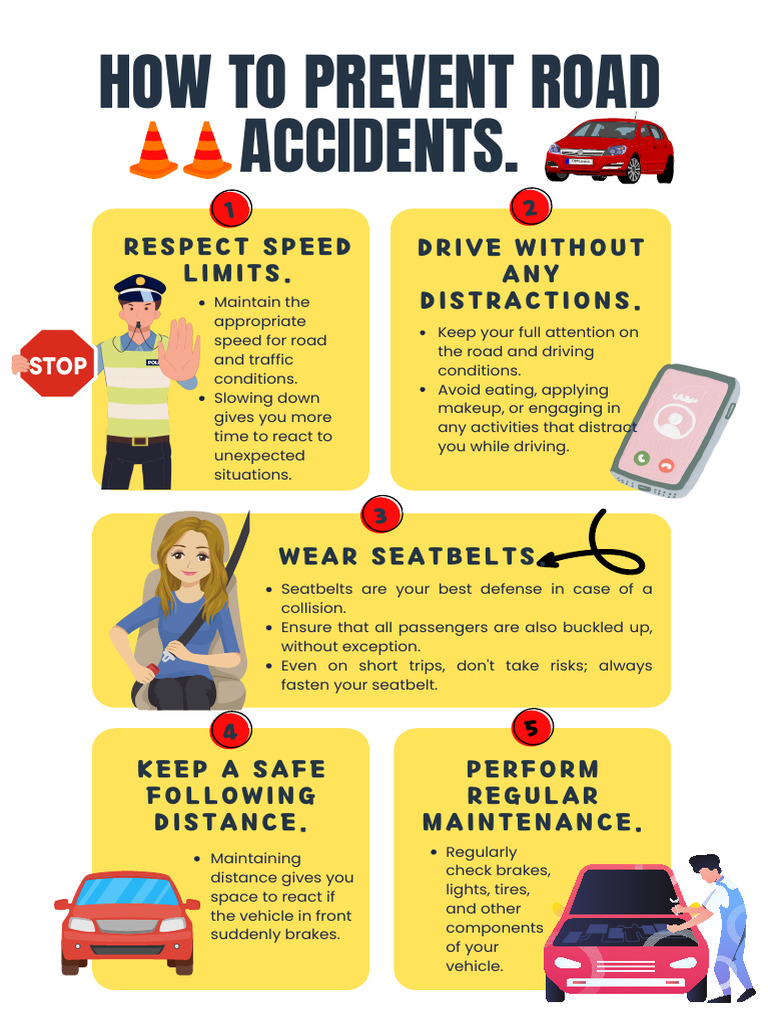
However, hyperconnectivity also poses several risks and challenges that need to be addressed, including:- Distracted driving: The increased use of connected devices and the internet can lead to driver distraction, which is a significant safety risk.
- Vehicle-to-vehicle and vehicle-to-infrastructure connectivity: The increased connectivity between vehicles and infrastructure can introduce new safety risks, such as the potential for hacking and data breaches.
- Cybersecurity risks: Connected vehicles and infrastructure are vulnerable to cyber threats, which can compromise safety and security.
- Liability and regulation: The increasing use of hyperconnectivity in road safety raises questions about liability and regulation, which need to be addressed to ensure that safety and security are not compromised.
Conclusion
In conclusion, the impact of hyperconnectivity on road safety is complex and multifaceted. While hyperconnectivity has introduced several advantages that can improve road safety, it also poses several risks and challenges that need to be addressed. To ensure that the benefits of hyperconnectivity are realized while minimizing its risks, it is essential to develop and implement effective safety and security measures, such as driver assistance systems, vehicle-to-vehicle and vehicle-to-infrastructure connectivity, and cybersecurity protocols. Additionally, regulatory frameworks need to be developed and updated to address the challenges and risks associated with hyperconnectivity in road safety.Recommendations
Based on the analysis presented in this article, the following recommendations are made:- Develop and implement effective safety and security measures, such as driver assistance systems, vehicle-to-vehicle and vehicle-to-infrastructure connectivity, and cybersecurity protocols.
- Update regulatory frameworks to address the challenges and risks associated with hyperconnectivity in road safety.
- Invest in research and development to improve the safety and security of connected vehicles and infrastructure.
- Develop and implement education and training programs to raise awareness about the risks and benefits of hyperconnectivity in road safety.