Hyperconnectivity in the Automotive Industry: Transforming the Future of Mobility
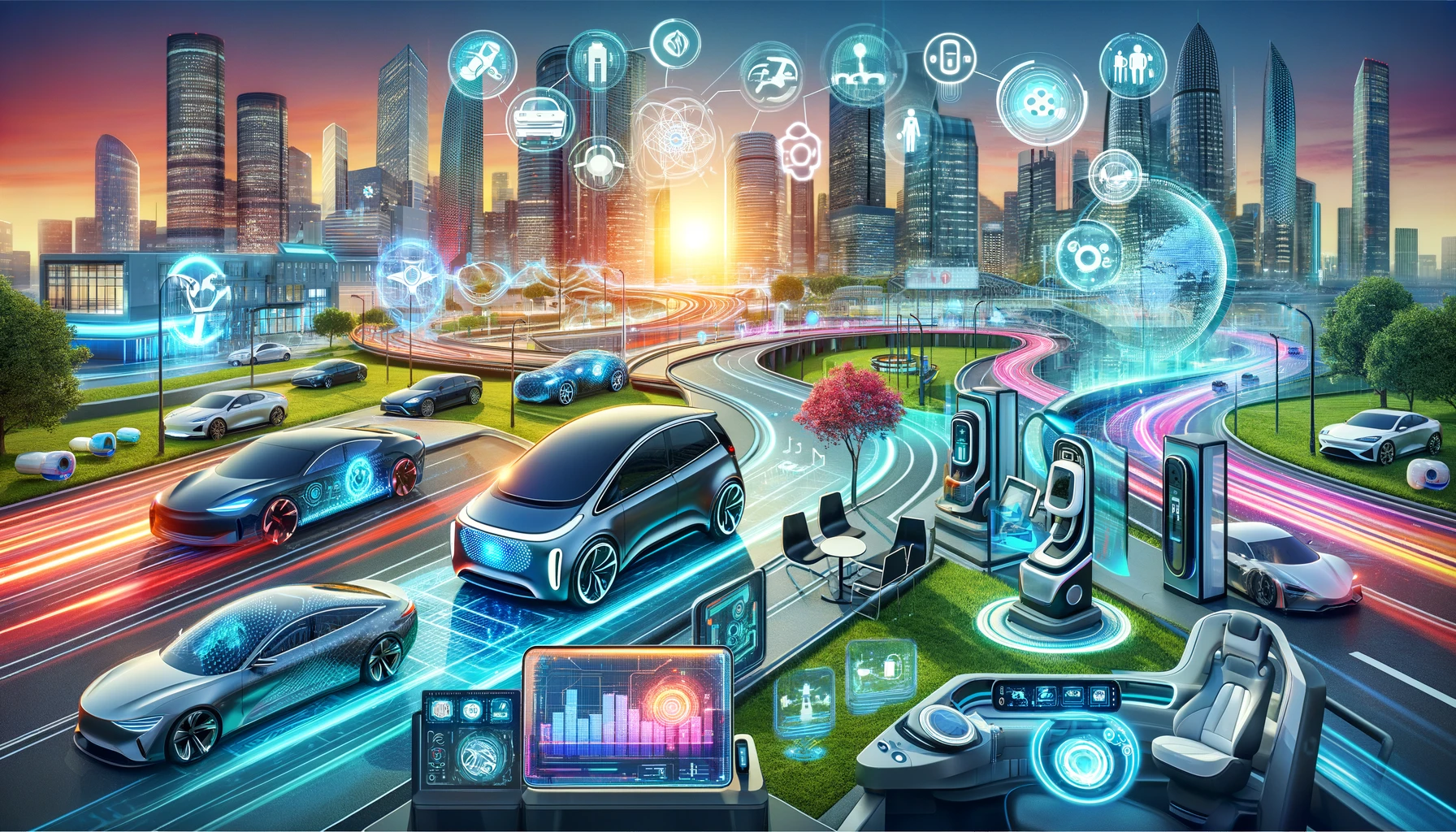
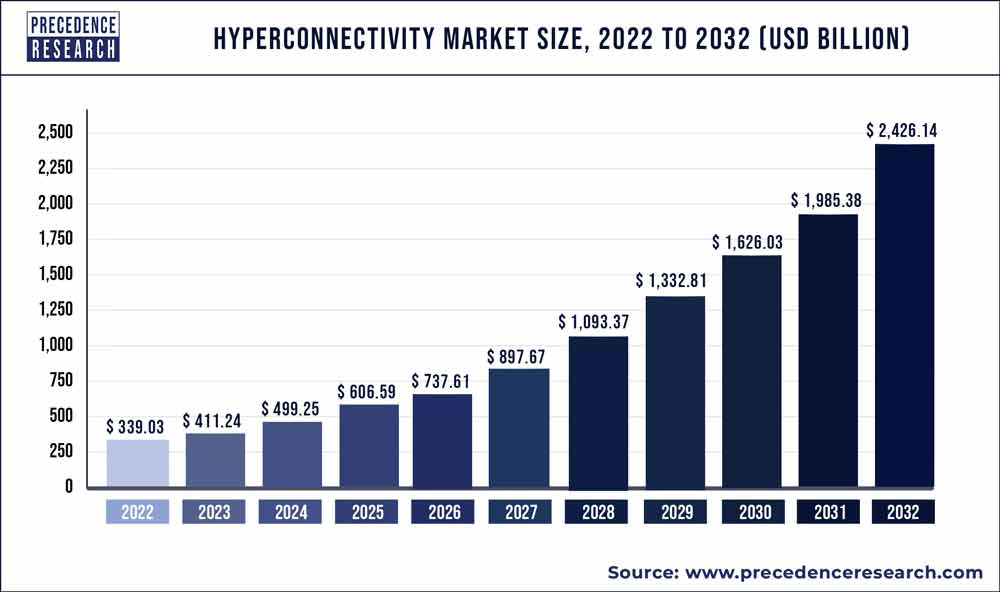
The automotive industry is undergoing a profound transformation, driven by the advent of ubiquitous connectivity. Enabled by both terrestrial cellular networks and satellite communications, hyperconnectivity is becoming foundational to innovation, safety, efficiency, and user experience in the automotive sector.
The Rise of Hyperconnectivity
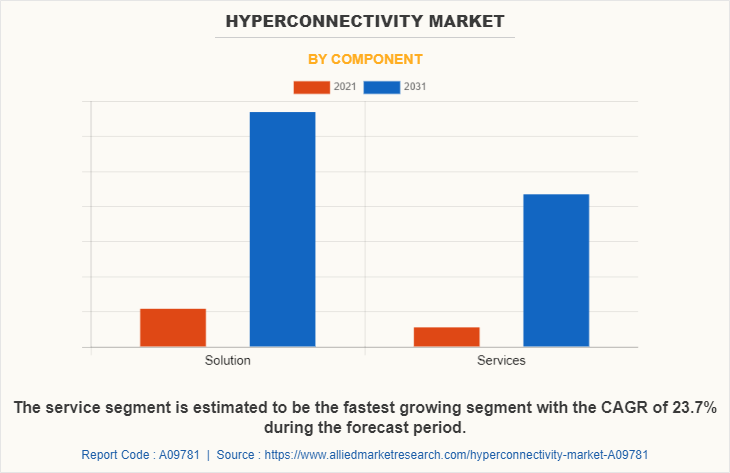
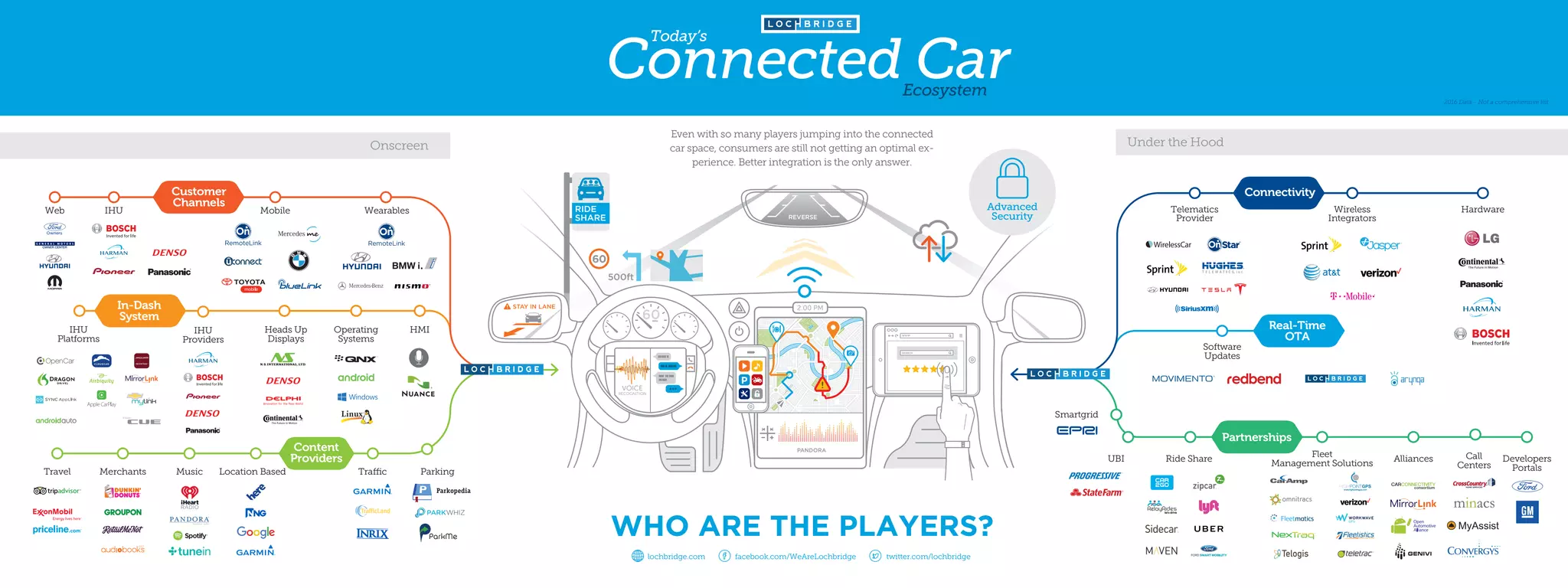
The automotive industry is entering a new phase, where connectivity is no longer a luxury but a necessity. With the majority of new vehicles expected to have embedded internet connectivity by 2030, the market for connected cars is predicted to soar to over $215 billion by 2027. Connected cars are not only potentially safer for road users and less harmful to the environment but also open up new revenue streams for the car industry, with features such as remote diagnostics, predictive maintenance, and online service scheduling.
5G: The Key Enabler of Transformational Initiatives
The rise of 5G is considered the key enabler of transformational initiatives for connected vehicle ecosystems. With record connection rates, sub-millisecond latency, and enormous connected-device capacity, 5G is much more than just an incremental improvement over 4G. It is a game-changer that will enable a new generation of connected vehicles, with applications such as vehicle-to-everything (V2X) communication, vehicle-to-cloud (V2C) connectivity, and in-vehicle infotainment systems.
The Future of Automotive Innovation
Connectivity is the driving force behind the future of automotive innovation. By analyzing the data collected by connected cars, automakers, tech companies, and other stakeholders can draw valuable insights into developing new products and services. The McKinsey Automotive Digital Services Customer Survey revealed that customers value vehicle connectivity bundles that offer safety features, convenience, and entertainment, providing a clear direction for industry innovation.
Hyperconnectivity: Challenges and Risks

While hyperconnectivity offers numerous benefits, it also poses significant challenges and risks. Security and ease of use are top priorities for industry leaders, as highlighted in CCC's new report. The increasing complexity of in-vehicle systems, the rise of connected and autonomous vehicles, and the automotive industry's push for digital transformation have driven the growth of the automotive hypervisor market.
Industry 4.0: The Role of Hyperconnectivity
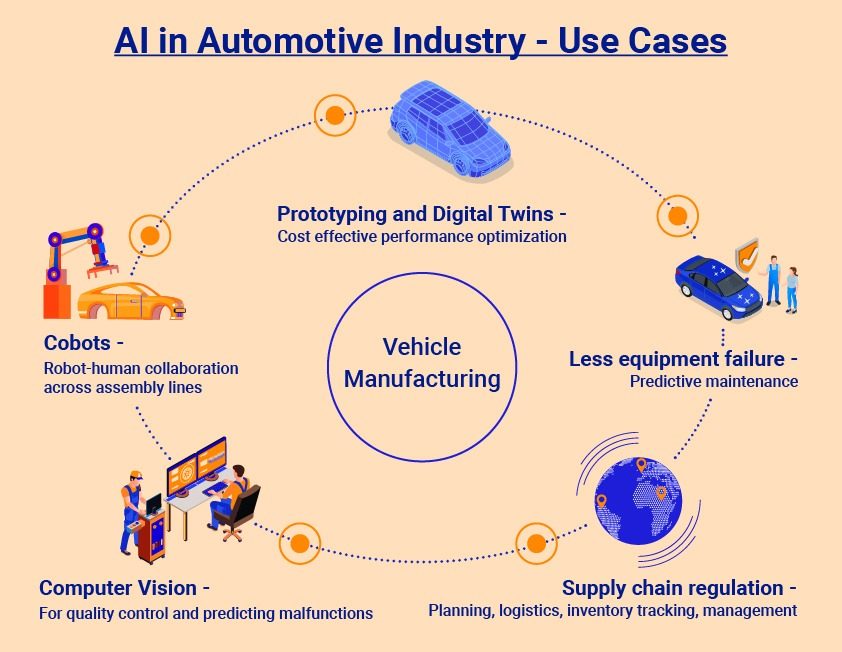
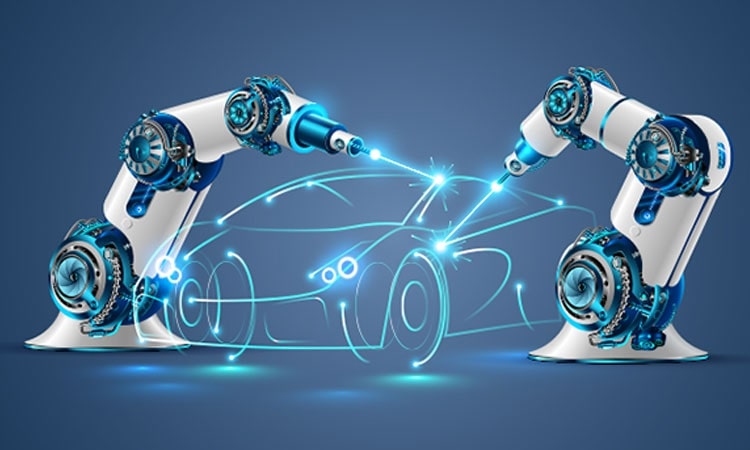
The concept of Industry 4.0, or the fourth industrial revolution, is closely linked to hyperconnectivity. Industry 4.0 aims to create a highly interconnected and automated production environment, where machines, humans, and systems work together seamlessly. Similarly, hyperconnectivity in the automotive industry can be seen as a key enabler of Industry 4.0, enabling the development of smart vehicles that communicate with each other, the infrastructure, and the cloud.
Conclusion
The automotive industry is at the forefront of a revolution driven by hyperconnectivity. As the market for connected cars continues to grow, industry players must work together to address the challenges and risks associated with this trend. By embracing the potential of hyperconnectivity, the automotive industry can create a safer, more efficient, and more enjoyable driving experience for consumers, while also opening up new revenue streams and opportunities for innovation.
Recommendations for Industry Players
- Invest in 5G infrastructure and develop applications that leverage its capabilities.
- Develop secure and user-friendly vehicle connectivity bundles that meet customer needs.
- Collaborate with other industry players to address the challenges and risks associated with hyperconnectivity.
- Explore the potential of Industry 4.0 and its applications in the automotive sector.