How to Stop Malware from Running in Background
Malware is a significant threat to the security of your computer, tablet, phone, and other devices. It can cause a range of problems, from slowing down your device to compromising your personal data and privacy. One of the key ways that malware spreads is by running in the background, where it can evade detection and cause harm. In this article, we'll explore how to stop malware from running in the background on your device.
Understanding Background Processes
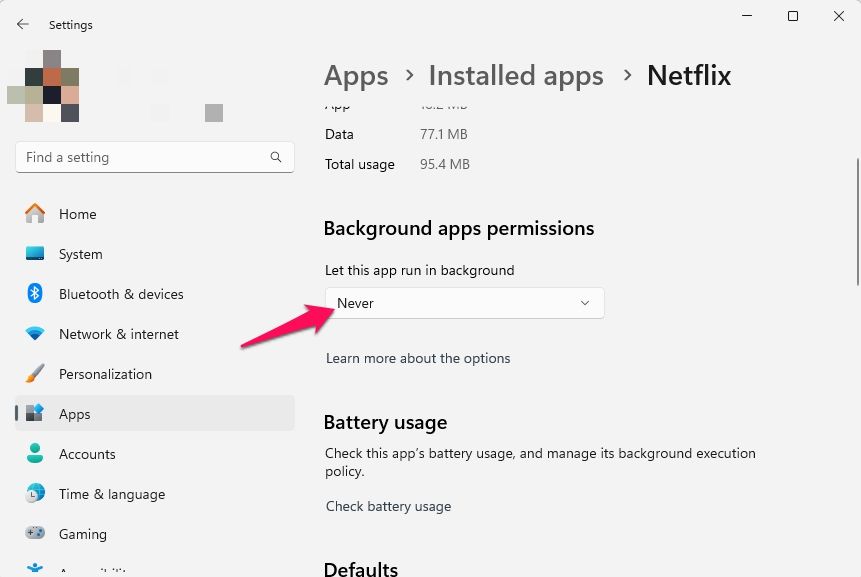
Every operating system, including Windows, macOS, and Android, has background processes that run in the background, performing tasks and updating programs. While these processes can be helpful, some of them can be malicious and can cause harm if left unrestricted. Malware, in particular, often uses background processes to evade detection and cause harm to your device.
Why Malware Runs in the Background
Malware runs in the background for several reasons. Firstly, it can help the malware to evade detection by security software and firewalls. By running in the background, the malware can access sensitive areas of your device, such as your files and databases. Malware can also run in the background to perform specific tasks, such as data exfiltration, keylogging, or other malicious activities. By the time you notice suspicious activity, the malware may have already compromised your device.
How to Stop Malware from Running in Background
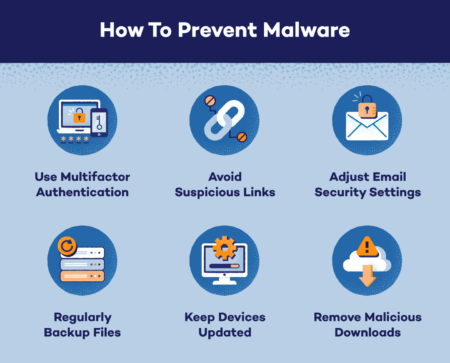
Stopping malware from running in the background can be a challenging task, but there are several steps you can take to help prevent it:
Enable your firewall and ensure that it's configured to block suspicious activity.
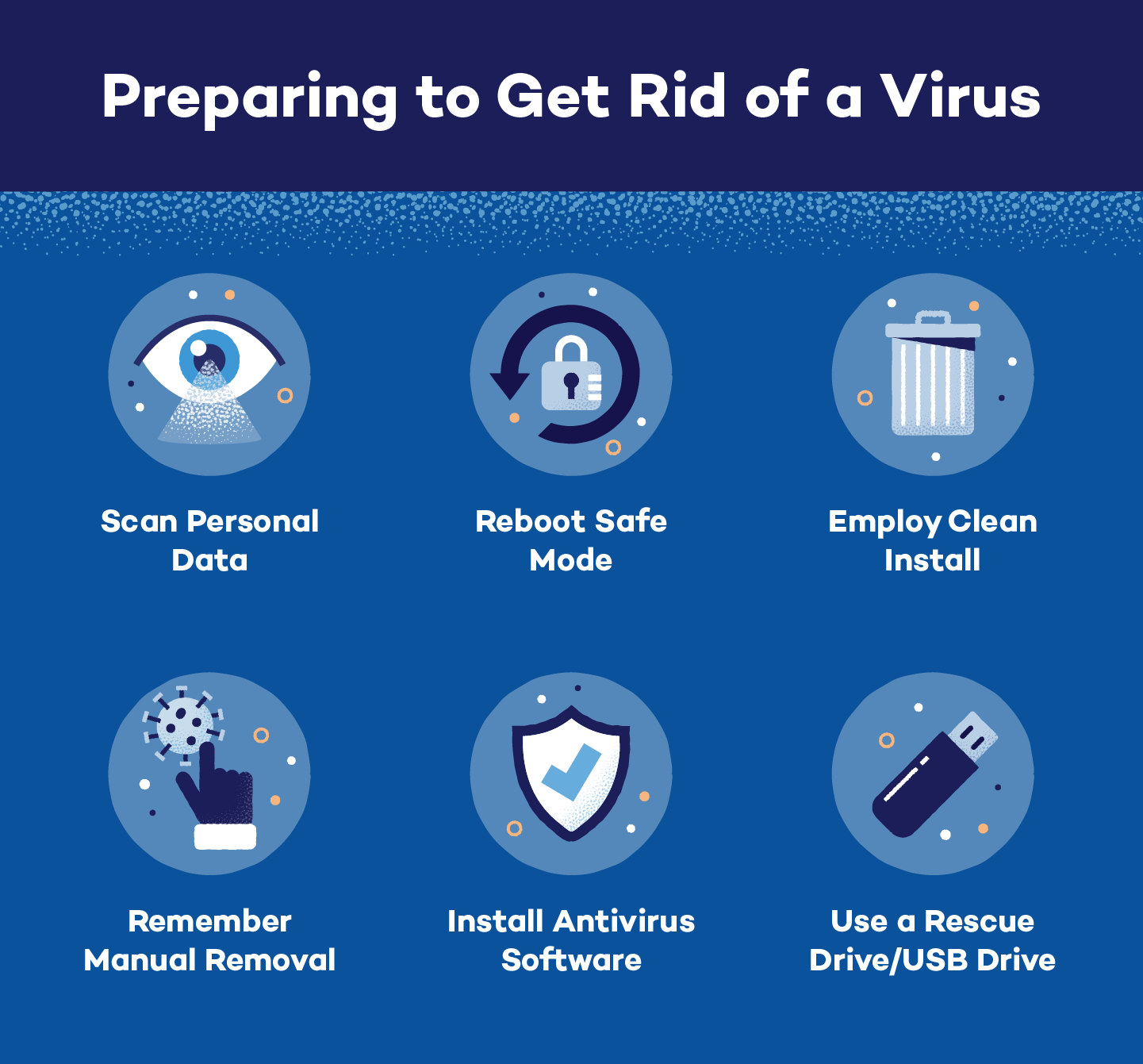
Use reputable antivirus software that can detect and remove malware, including those that run in the background.
Regularly update your operating system and software to ensure that you have the latest security patches and features.

Monitoring Background Processes on Windows
On Windows, you can monitor background processes using the Task Manager. To do this, press Ctrl+Shift+Esc to open the Task Manager and then click on the "Performance" tab. You can then sort the processes by the "CPU" column to see which processes are consuming the most CPU resources. You can then right-click on a process and select "End Task" to stop it.
Monitoring Background Processes on macOS
On macOS, you can monitor background processes using the Activity Monitor. To do this, click on the "Applications" folder and then select "Utilities" and then "Activity Monitor". You can then click on the "CPU" tab and sort the processes by the "CPU" column to see which processes are consuming the most CPU resources. You can then select a process and click on the "Quit" button to stop it.
Staying Safe
Stopping malware from running in the background requires a combination of technical knowledge and good old-fashioned common sense. By taking the steps outlined above, you can help prevent malware from running in the background and causing harm to your device. Additionally, it's essential to stay informed about the latest security threats and updates to ensure that you have the best protection against malware and other types of cyber threats.
Conclusion
Stopping malware from running in the background is an essential step in maintaining the security of your device. By understanding how malware works and taking the steps outlined above, you can help prevent malware from compromising your device and causing harm. Remember, cybersecurity is a cat-and-mouse game, and staying informed and vigilant is key to protecting yourself and your device from malware and other types of cyber threats.