Factors that Affect Attention Span in Children with Autism
Attention span in children with autism spectrum disorder (ASD) can be significantly impacted by various factors, making it essential to understand the underlying causes and develop effective strategies to improve focus and concentration.
Understanding Autism and Attention Span
Autism is a neurological and developmental disorder that affects how individuals interact with others, communicate, learn, and behave. Children with autism often experience challenges related to attention span and focus, which can impact their language, social, cognitive, and motor development.
Causes of Reduced Attention Concentration
- Sensory Processing Issues: Children with autism may experience sensory overload or underload, leading to difficulties with attention and focus.
- Communication Difficulties: Autistic individuals may struggle with verbal and nonverbal communication, affecting their ability to attend to and process information.
- Individual Interests: Children with autism may become overly focused on specific interests, leading to difficulties with attention and flexibility.
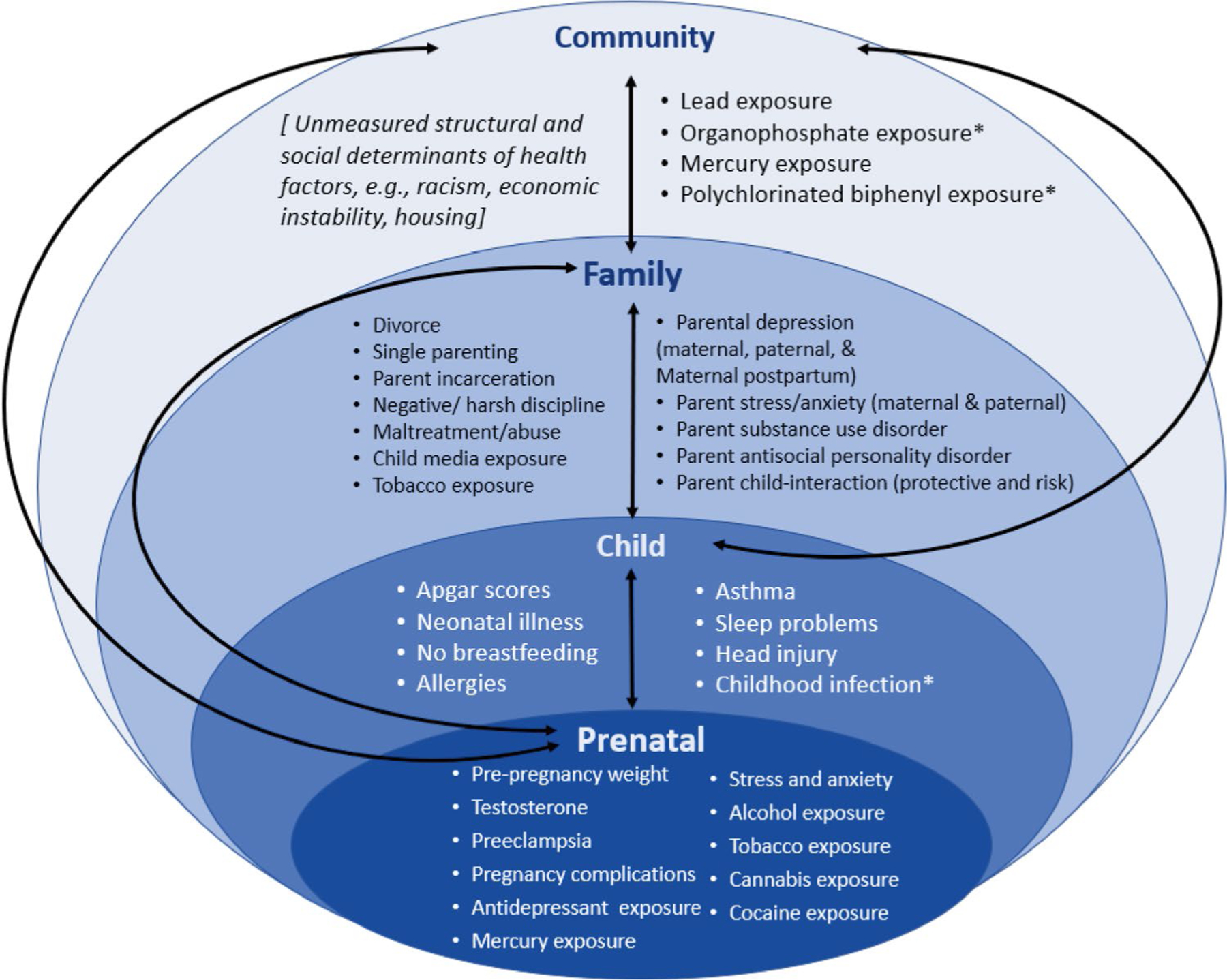
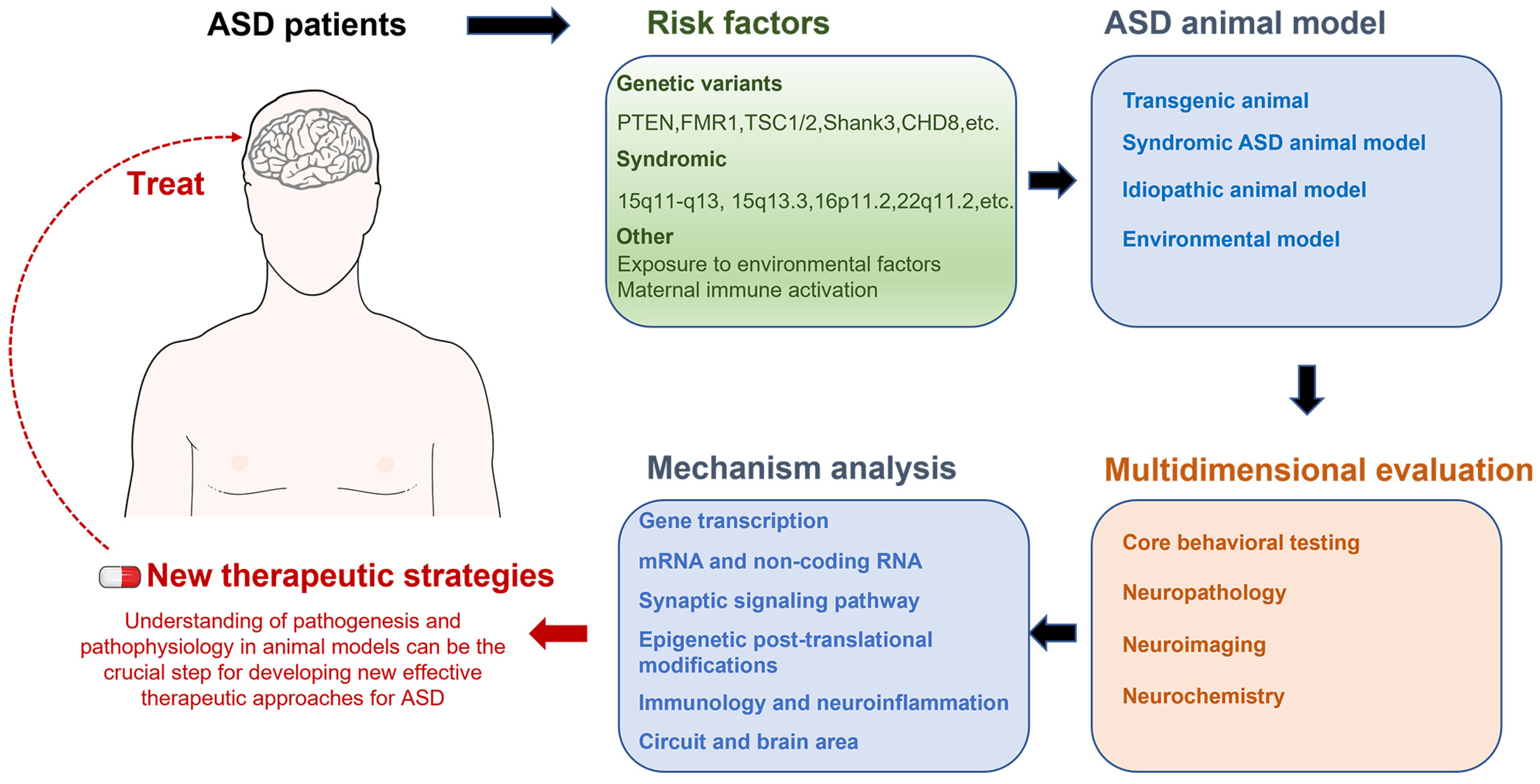
- Environmental Factors: Exposure to certain environmental toxins, such as air pollutants or heavy metals, during pregnancy or early childhood may impact attention span in children with autism.
- Genetic Factors: Genetic mutations and variations can contribute to the development of autism and associated attention span issues.
School Readiness Programs and Attention Span
School readiness programs can play a crucial role in improving attention span in children with autism. These programs typically involve structured interventions, activities, and ABA (Applied Behavior Analysis) techniques to help children develop essential skills for academic success.
Other Factors Affecting Attention Span in Children with Autism
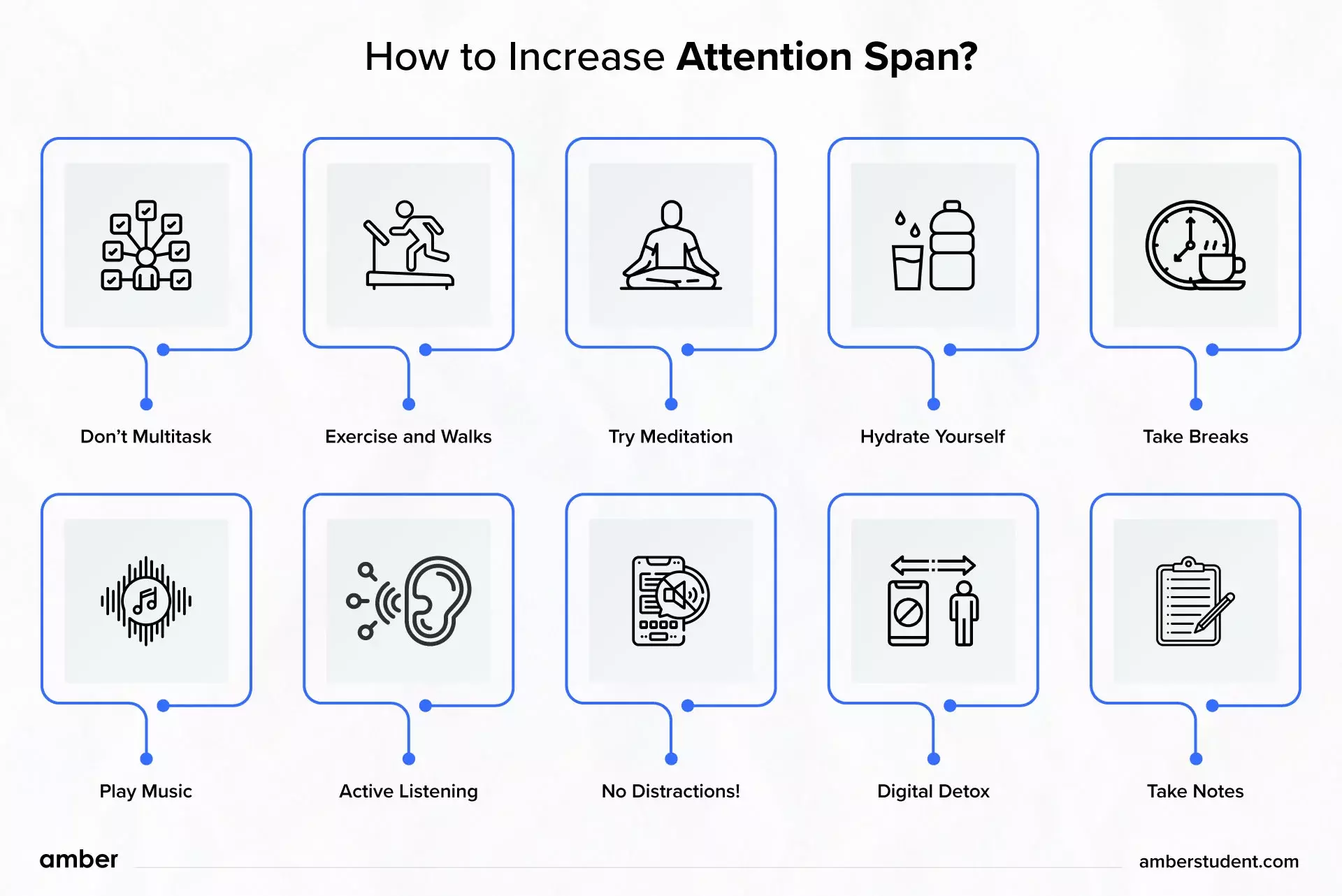
- Nutrition and Diet: A balanced diet rich in essential nutrients can support brain growth and development, potentially improving attention span in children with autism.
- Sleep and Rest: Adequate sleep and rest are essential for cognitive function and attention span in all children, including those with autism.
- Excessive Screen Time: Prolonged exposure to screens and limited real-world interaction can contribute to attention span issues in children with autism.
Support Strategies for Improving Attention Span in Children with Autism
- Behavioral Interventions: ABA and behavioral therapies can help children with autism develop essential skills for attention and focus.
- Play Therapy: Play-based interventions can help children with autism improve their attention span and develop social interaction skills.
- Individualized Education Plans (IEPs): Tailored educational plans can help children with autism develop strategies for improving attention and focus in the classroom.
- Parent-Child Interaction Therapy (PCIT): Parent-child interaction therapy can help parents develop strategies for improving their child's attention span and reducing problem behaviors.
Conclusion
Attention span in children with autism is influenced by a complex array of factors, including sensory processing issues, communication difficulties, individual interests, and environmental factors. By understanding these underlying causes and implementing effective support strategies, parents, educators, and healthcare professionals can help children with autism improve their attention span and develop essential skills for academic and social success.