The Pervasive Phenomenon of FOMO in Personal Branding
Fear of Missing Out (FOMO) is a common phenomenon that affects individuals across various aspects of their lives. In the context of personal branding, FOMO can play a significant role in influencing consumer behavior and decision-making. This article will explore the concept of FOMO in personal branding and its psychological underpinnings, as well as its effects on both individuals and businesses.
Understanding FOMO in Marketing
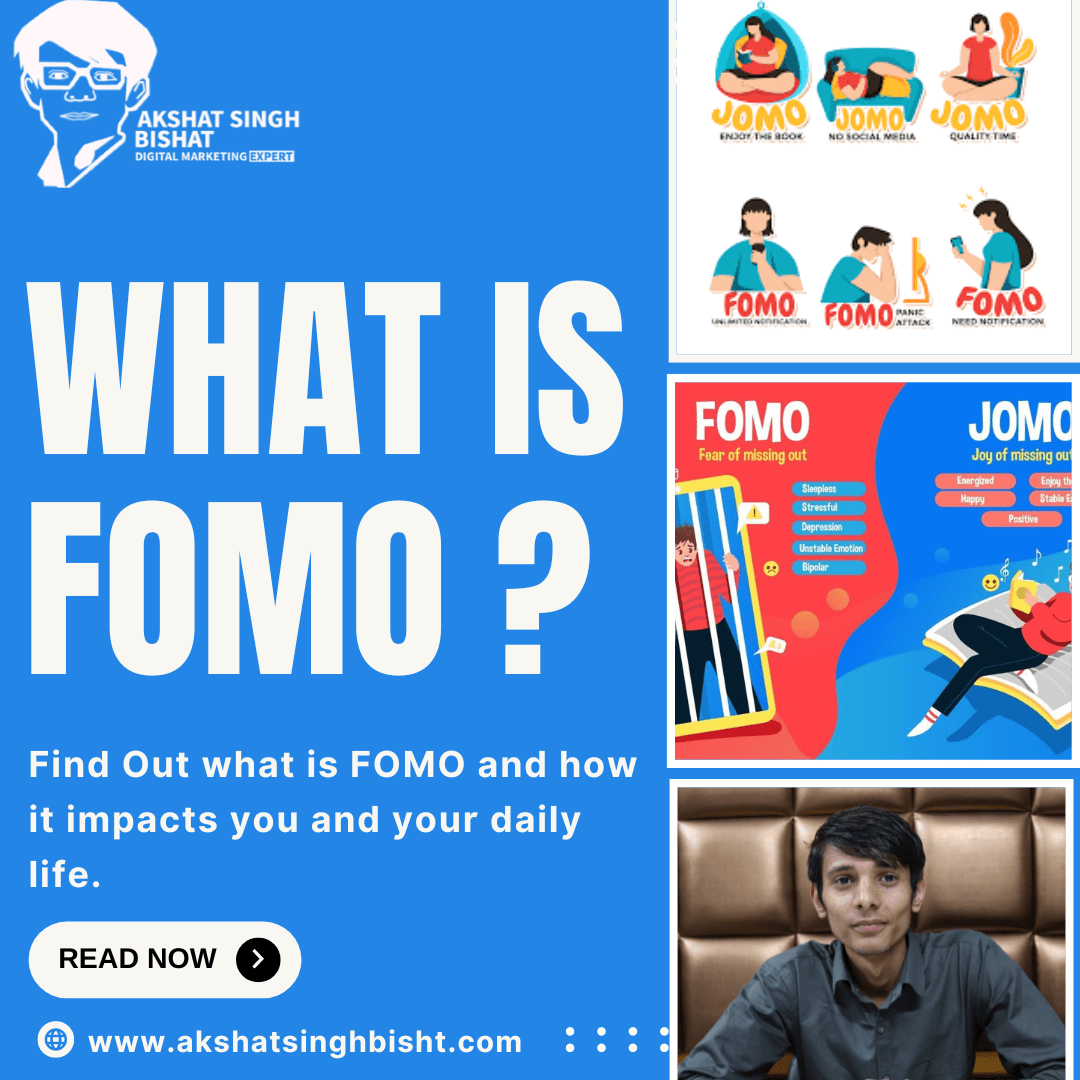
The term "FOMO" was first introduced in 2004 as a general personal tendency. It refers to the apprehension of not acquiring a product or engaging in a consumption experience extolled by others (Good & Hyman, 2020b). In the context of marketing, FOMO is often associated with the fear of missing out on social media trends, comments, or exclusive opportunities. However, this definition confines the feeling of missing out to a specific context, whereas FOMO can be more broadly defined as the fear of missing an experience that can help an individual attain personal or social goals (Alt, 2015).
How FOMO Drives Consumer Choices
- Creating Scarcity: FOMO can be leveraged by creating a sense of urgency around a product or service, making it seem exclusive or hard to obtain.
- Behind the Scenes of Urgency: Brands can create anticipation and expectation by releasing teasers or sneak peeks of upcoming products or services.
- Social Proof: FOMO can be driven by social media, where users feel pressure to keep up with trends and experiences shared by others.
Strategies to Leverage FOMO in Personal Branding
Exclusive and Experiential Marketing
Exclusivity can be a powerful FOMO driver, as it creates a sense of privilege and prestige. This can be achieved through invite-only events, limited-edition products, or special experiences that make customers feel like they're part of a select group.
Find Your Niche

Identifying and catering to specific niches or communities can help create a sense of FOMO among members of these groups. By specializing in a particular area, personal branding can tap into the emotions and desires of these groups.
Urgency and Exclusivity
Creating a sense of urgency through time-sensitive promotions, limited-edition items, or exclusive offers can drive FOMO in personal branding. However, it's essential to strike a balance between exclusivity and accessibility to avoid creating an unsatisfying experience.
Authenticity and Consistency
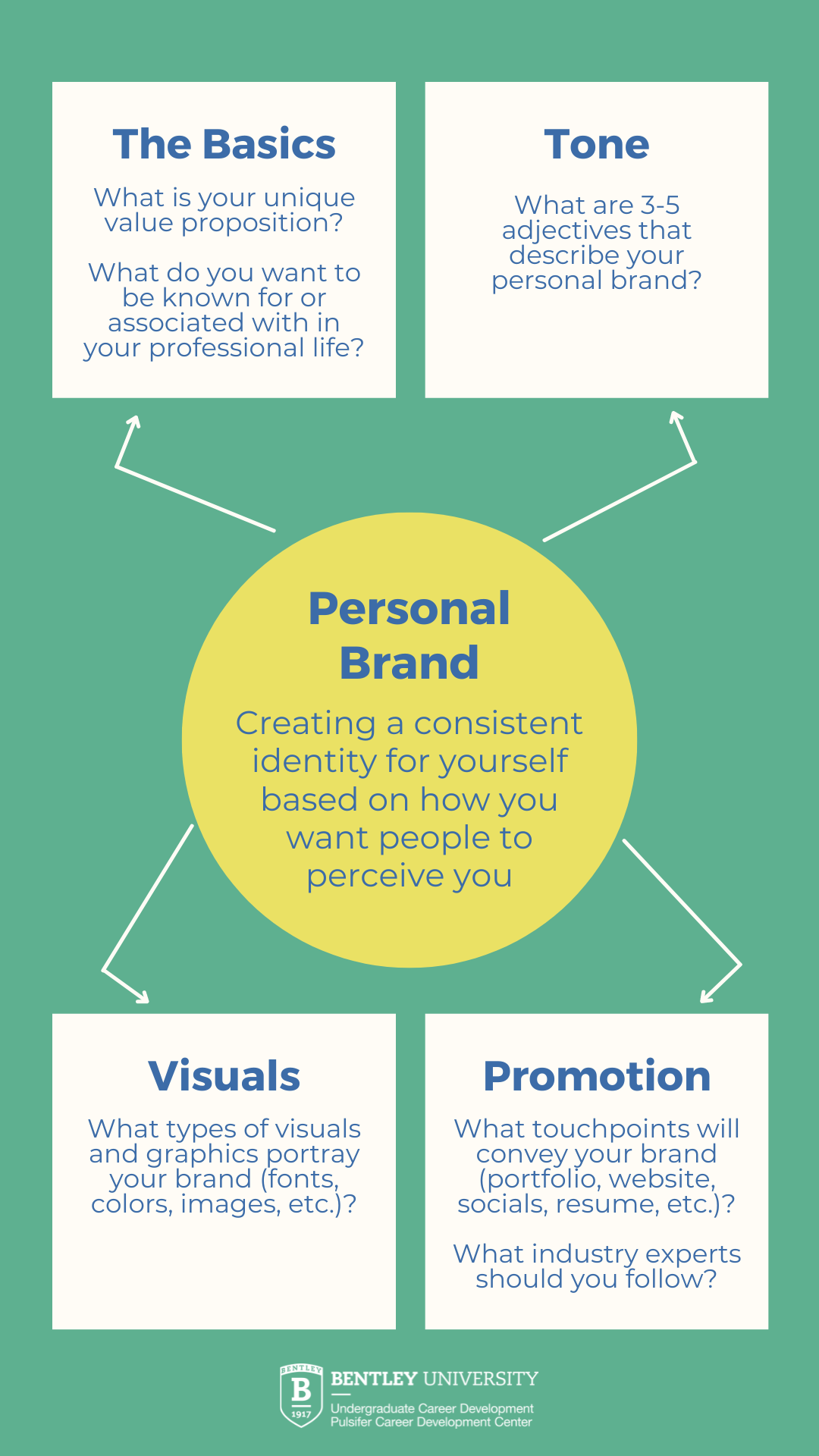
Building trust and authenticity with your audience is crucial in creating a strong personal brand. Consistency in messaging, tone, and visuals can help establish a loyal following and reduce feelings of FOMO among customers.
The Dark Side of FOMO in Personal Branding
While leveraging FOMO can be a successful marketing strategy, it's essential to be aware of its potential risks. Overemphasizing scarcity or exclusivity can lead to feelings of anxiety, frustration, or dissatisfaction among customers. Personal brands must strike a balance between driving FOMO and respecting customers' boundaries and emotional well-being.
Conclusion
FOMO is a pervasive aspect of personal branding, driven by human instincts and emotions. By understanding its psychological underpinnings and leveraging it strategically, personal brands can drive engagement, conversions, and loyalty. However, it's crucial to approach FOMO with sensitivity, authenticity, and a focus on customer experience to avoid the potential downsides of overemphasizing exclusivity or scarcity.