Effective Way to Meditate: A Beginner's Guide to Cultivating Inner Peace
Meditation has become an increasingly popular way to nurture your whole self and tend to your mental health. But, with so much conflicting information available, it can be daunting to know where to start. In this article, we'll walk you through the effective way to meditate, providing a comprehensive guide for both beginners and experienced meditators alike.
Benefits of Meditation
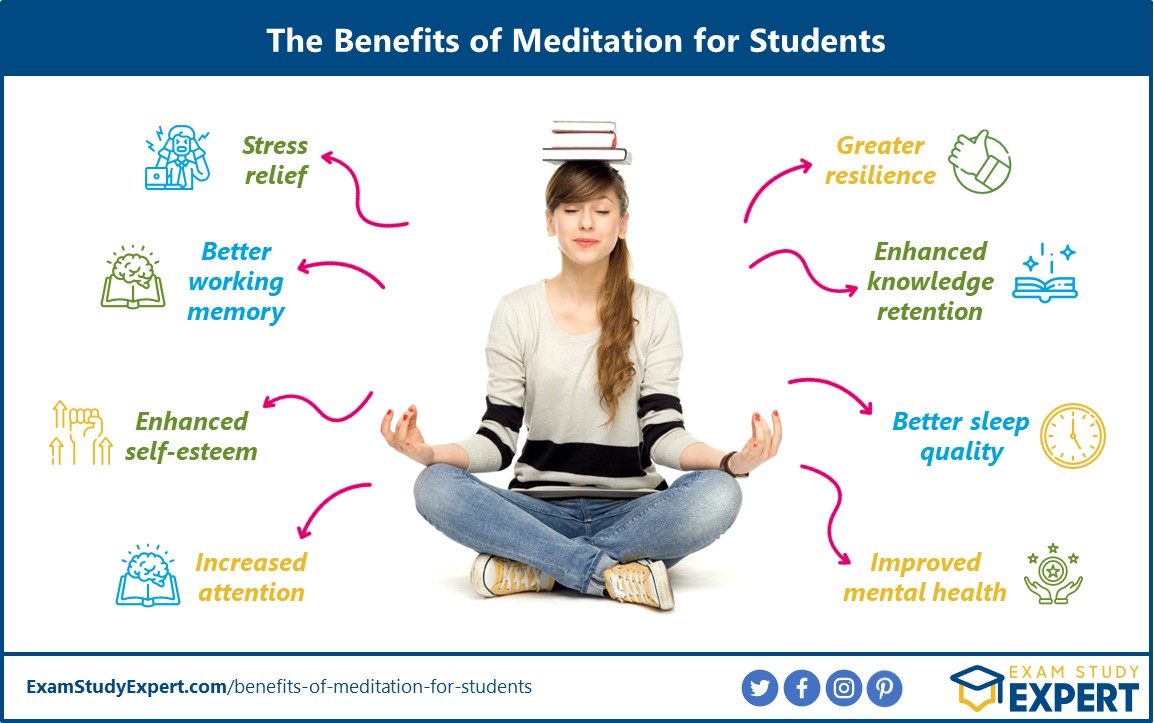
Meditation offers a wide range of benefits, including:
- Reduced stress and anxiety
- Improved focus and concentration
- Increased self-awareness and emotional regulation
- Enhanced creativity and productivity
- Better sleep quality
Starting Your Mediation Practice
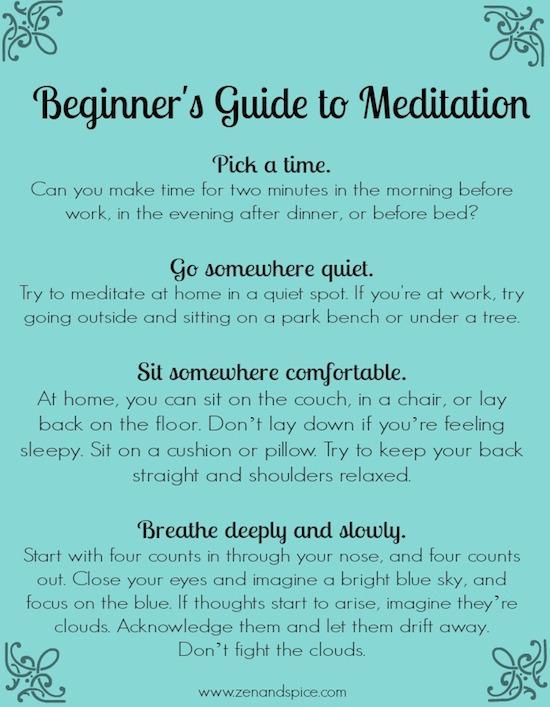
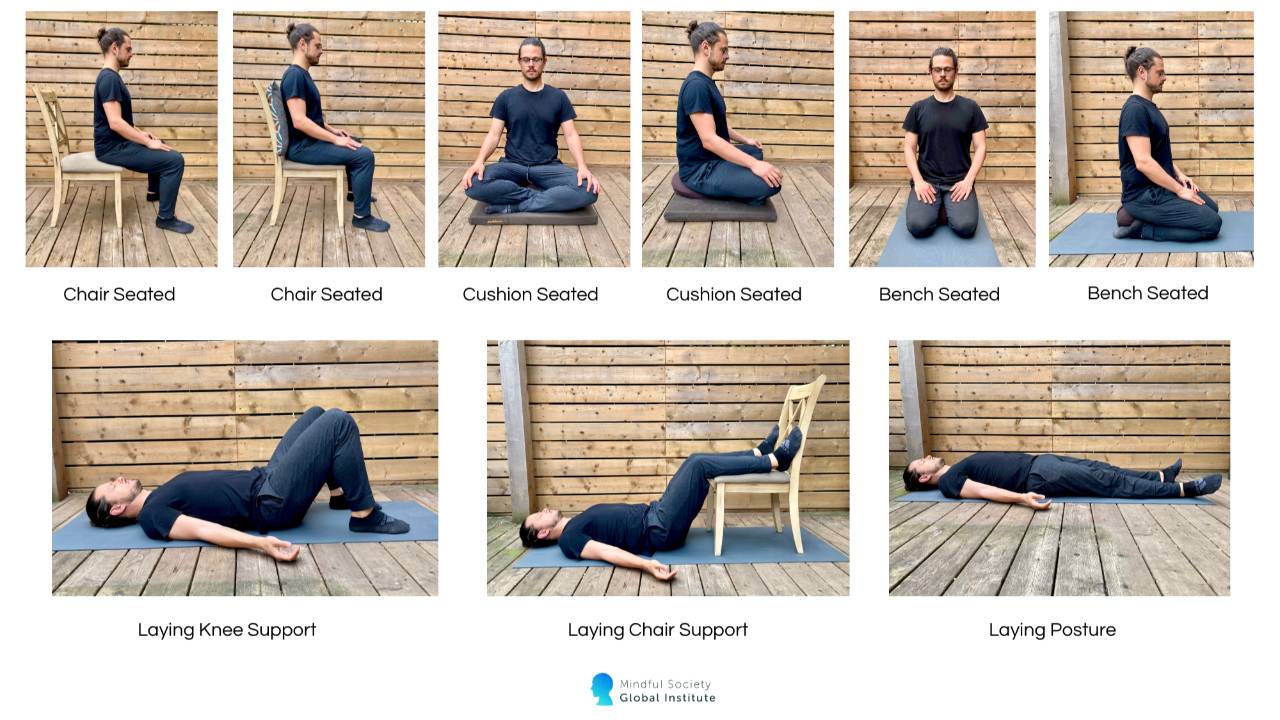
Begin by finding a quiet and comfortable space where you can sit without distractions. You can sit on a cushion on the floor, on a chair, or even lie down, but avoid lying down if you're prone to falling asleep.
Close your eyes and take a few deep breaths, feeling the air fill your lungs and then release. Bring your attention to your breath, focusing on the sensation of the air moving in and out of your nostrils. When your mind wanders, gently bring it back to your breath without judgment.
Types of Meditation
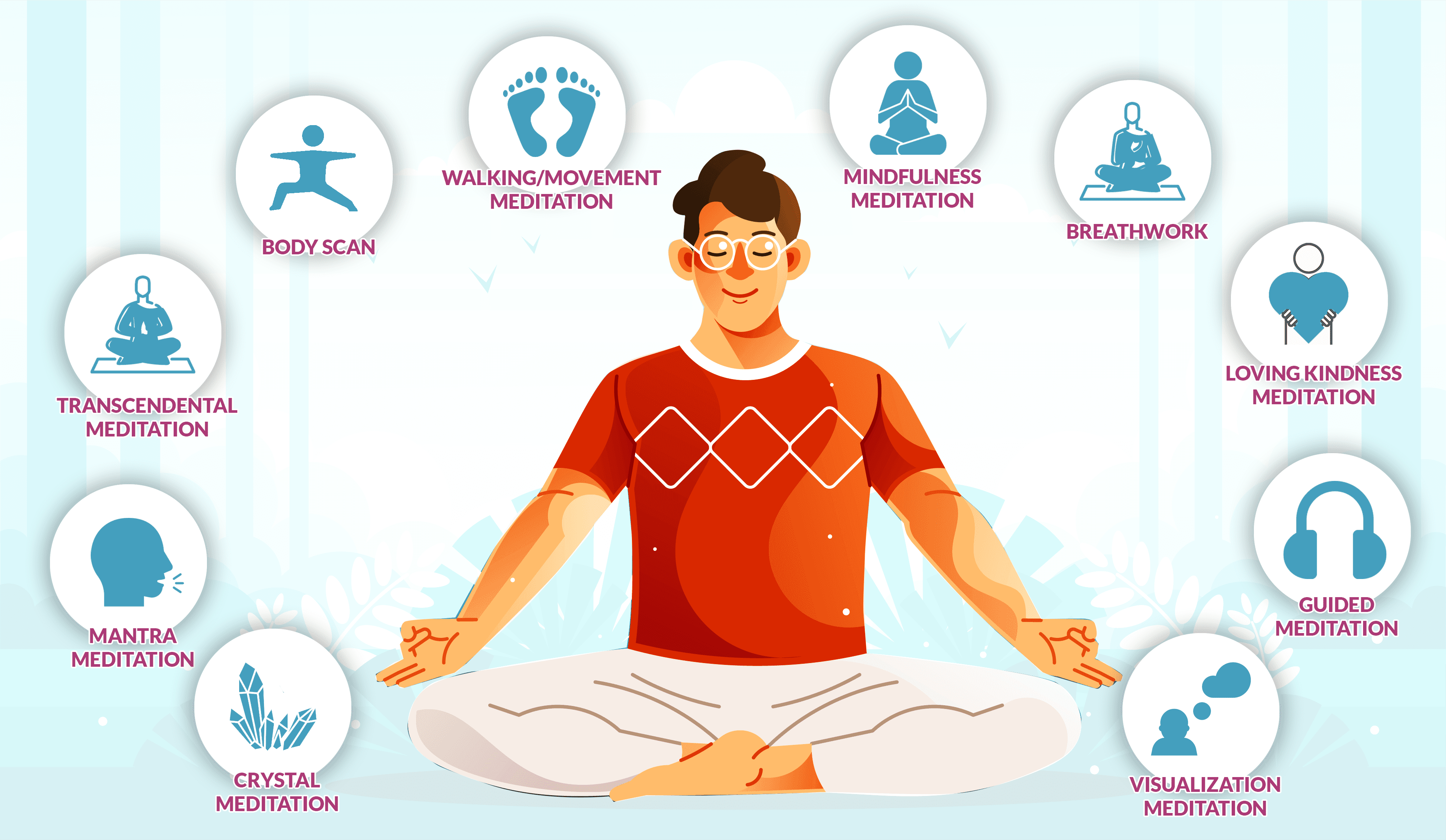
There are numerous meditation techniques to explore, each with its unique benefits and effects. Some popular types of meditation include:
- Guided meditation: Follow a guide or recording to lead you through a meditation
- Body scan meditation: Focus on different parts of your body, releasing tension as you go
- Mindfulness meditation: Cultivate awareness of the present moment, often focusing on breath or body sensations
- Transcendental meditation: Use a mantra to quiet the mind and access a deeper state of consciousness
Building a Consistent Practice

Establishing a regular meditation practice takes time and commitment, but with these tips, you'll be well on your way:
- Start small: Begin with short sessions (5-10 minutes) and gradually increase as you become more comfortable with the practice
- Be consistent: Aim to meditate at the same time each day to make it a habit
- Find what works for you: Experiment with different techniques and times of day to find what suits your lifestyle
- Track your progress: Use a meditation app or journal to monitor your practice and identify areas for improvement
Common Mistakes to Avoid
As you begin your meditation journey, be mindful of these common pitfalls:
- Expecting too much too soon: Meditation is a practice that takes time and patience to develop
- Getting caught up in trying to avoid thoughts: Instead, focus on cultivating awareness and acceptance
- Not being gentle with yourself: Remember that meditating is a process, and it's okay if your mind wanders
Conclusion
Embarking on a meditation practice can be a life-changing experience, cultivating a deeper connection to yourself and the world around you. By incorporating the effective way to meditate outlined in this article, you'll be well on your way to reaping the numerous benefits of this ancient practice. Whether you're a beginner or an experienced meditator, remember to approach your practice with kindness, patience, and an open mind.
Additional Resources
For further guidance and support, explore these additional resources:
- Headspace: A meditation and mindfulness app offering guided sessions and personalized progress tracking
- Gaiam: A meditation shop providing a wide range of products and resources to enhance your practice
- Cognitive Behavioral Therapy (CBT): A type of talk therapy that can complement your meditation practice