Easy Cat Hair De-Matting Methods
Cats are known for their beautiful, silky coats, but sometimes those coats can become matted and tangled, causing discomfort and even skin irritation for your feline friend. De-matting your cat's fur requires patience and the right techniques, but with the right tools and a gentle touch, you can safely remove mats and keep your cat's coat looking its best. In this article, we'll explore the causes of matted cat hair, discuss the best de-matting methods, and provide step-by-step instructions on how to safely remove mats from your cat's fur.
Causes of Matted Cat Hair
Matted cat hair is a common problem, especially for long-haired cats. Mats can form when your cat's fur becomes tangled and knotted, often as a result of excessive grooming, skin conditions, or the accumulation of dead hair and debris. If left unchecked, mats can cause pain and discomfort for your cat, and even lead to skin irritation and infections. Fortunately, preventing mats is relatively easy, and removing them is a simple process if you have the right tools and techniques.
Choosing the Right Tools
The key to safely removing mats from your cat's fur is to choose the right tools for the job. Here are some of the most effective de-matting tools you can use:
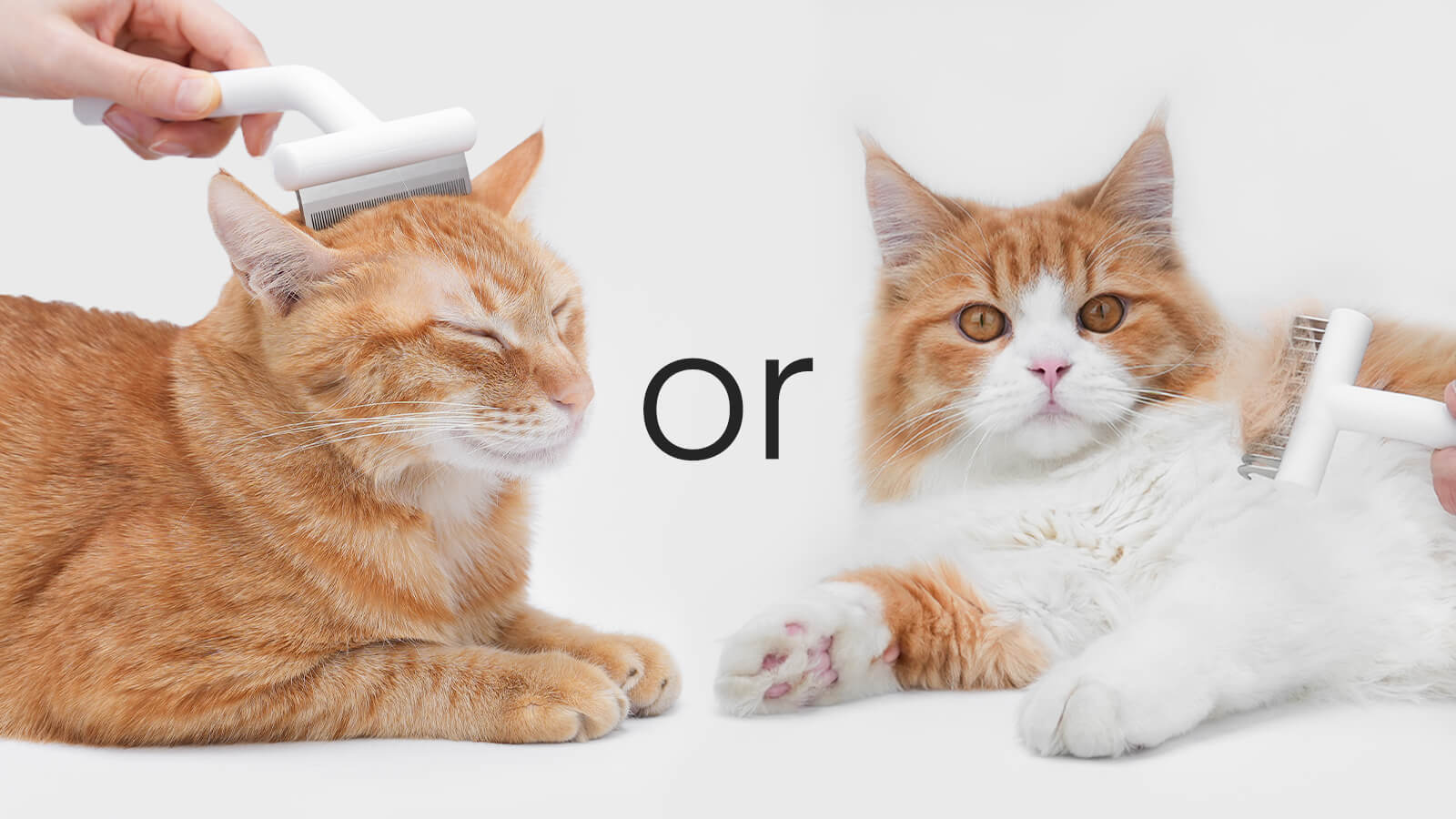
- Wide-tooth combs: These combs are designed specifically for de-matting and are perfect for gently working out mats without causing further irritation or pain.
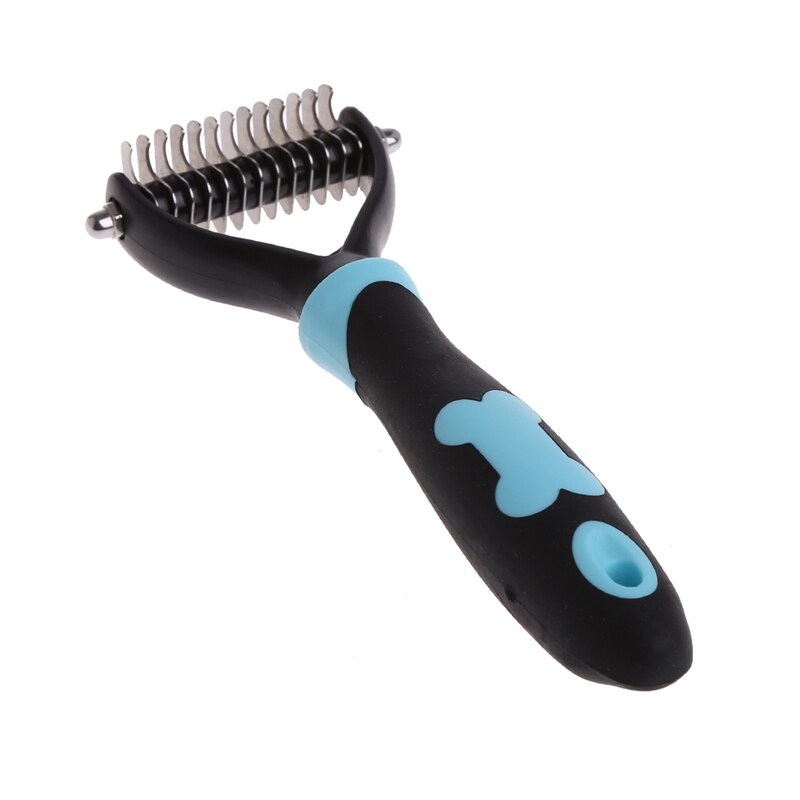
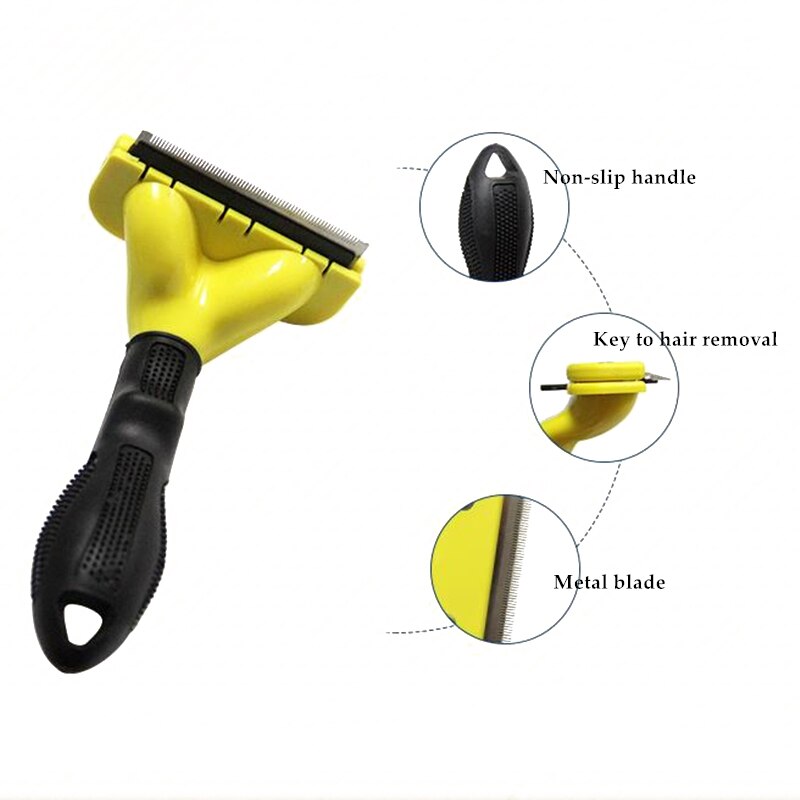
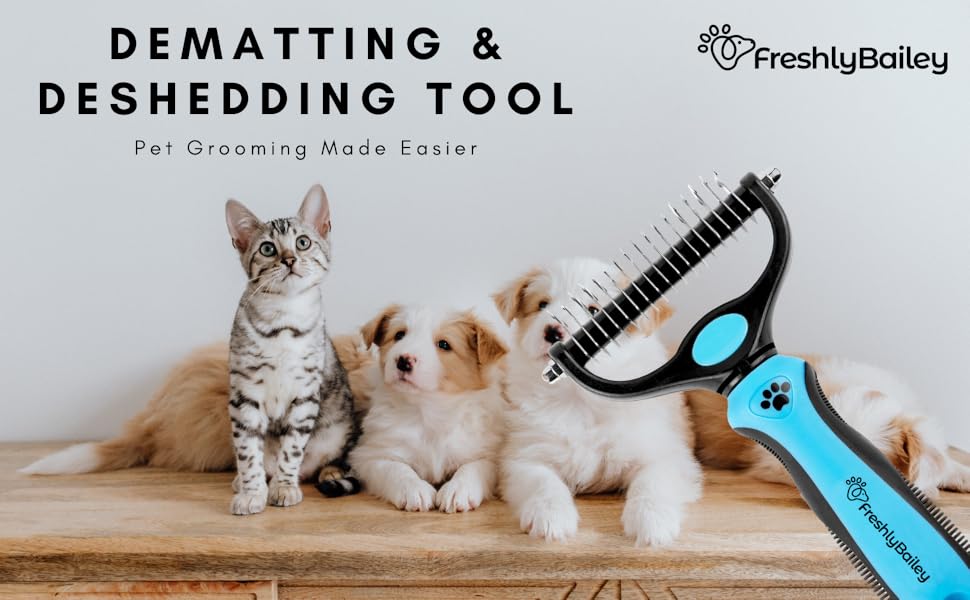
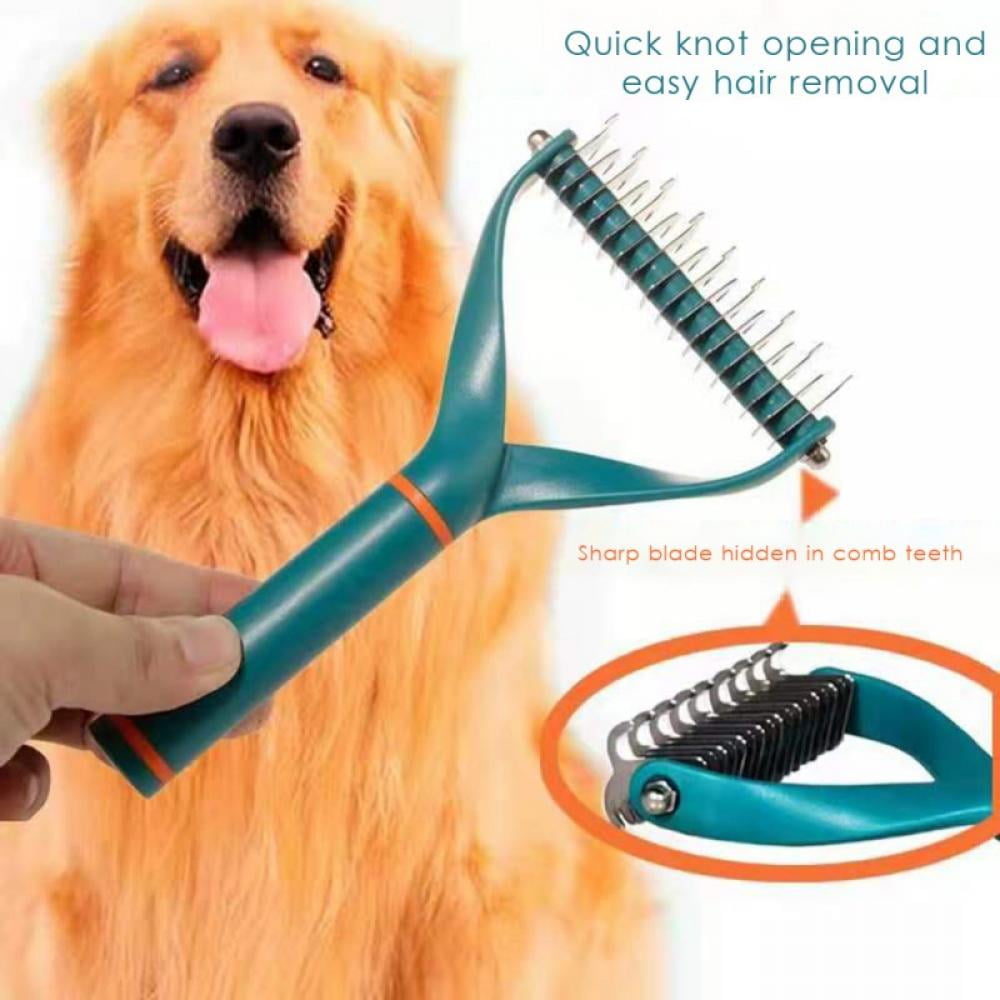
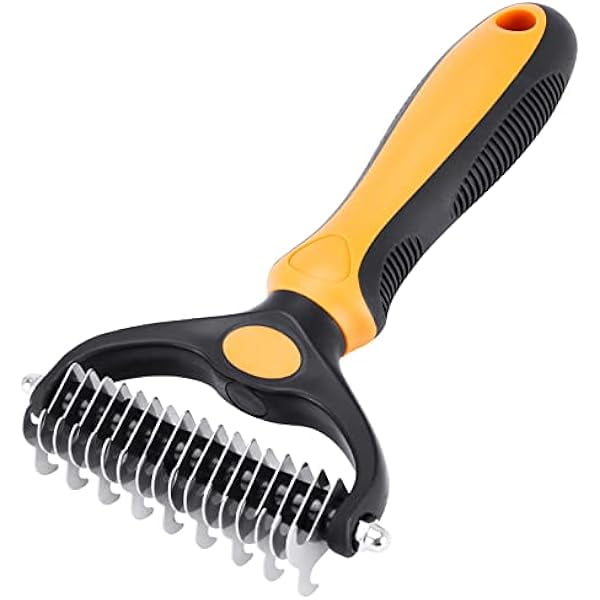
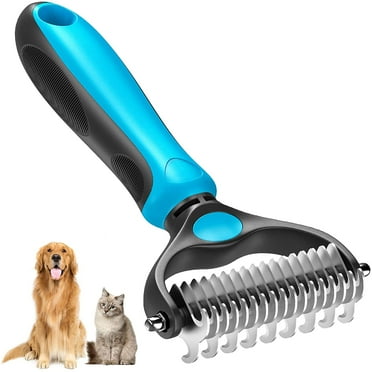
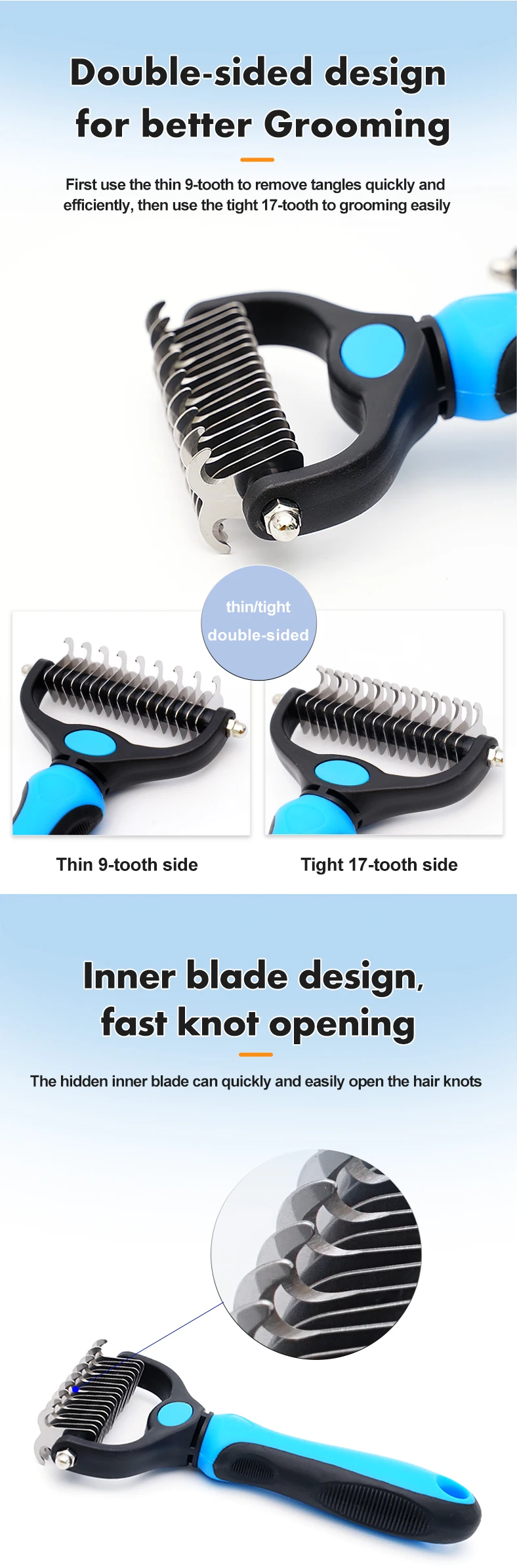
- Mat breaker or rake: These tools are designed to gently remove mats without causing breakage or damage to the surrounding hair.
- Bristle brushes: Soft-bristled brushes are perfect for gently detangling and smoothing out your cat's fur, while also promoting healthy skin and coat growth.
- Cat detangling sprays : These sprays can help to soften and lubricate your cat's fur, making it easier to work out mats without causing breakage or irritation.
The De-Matting Process
Once you have the right tools, it's time to start the de-matting process. Here's a step-by-step guide to help you safely remove mats from your cat's fur:
Step 1: Assess the matting
Start by gently examining the mats to determine their size, location, and severity. This will help you decide which tools to use and how much time and patience you'll need to dedicate to the process.
Step 2: Begin de-matting
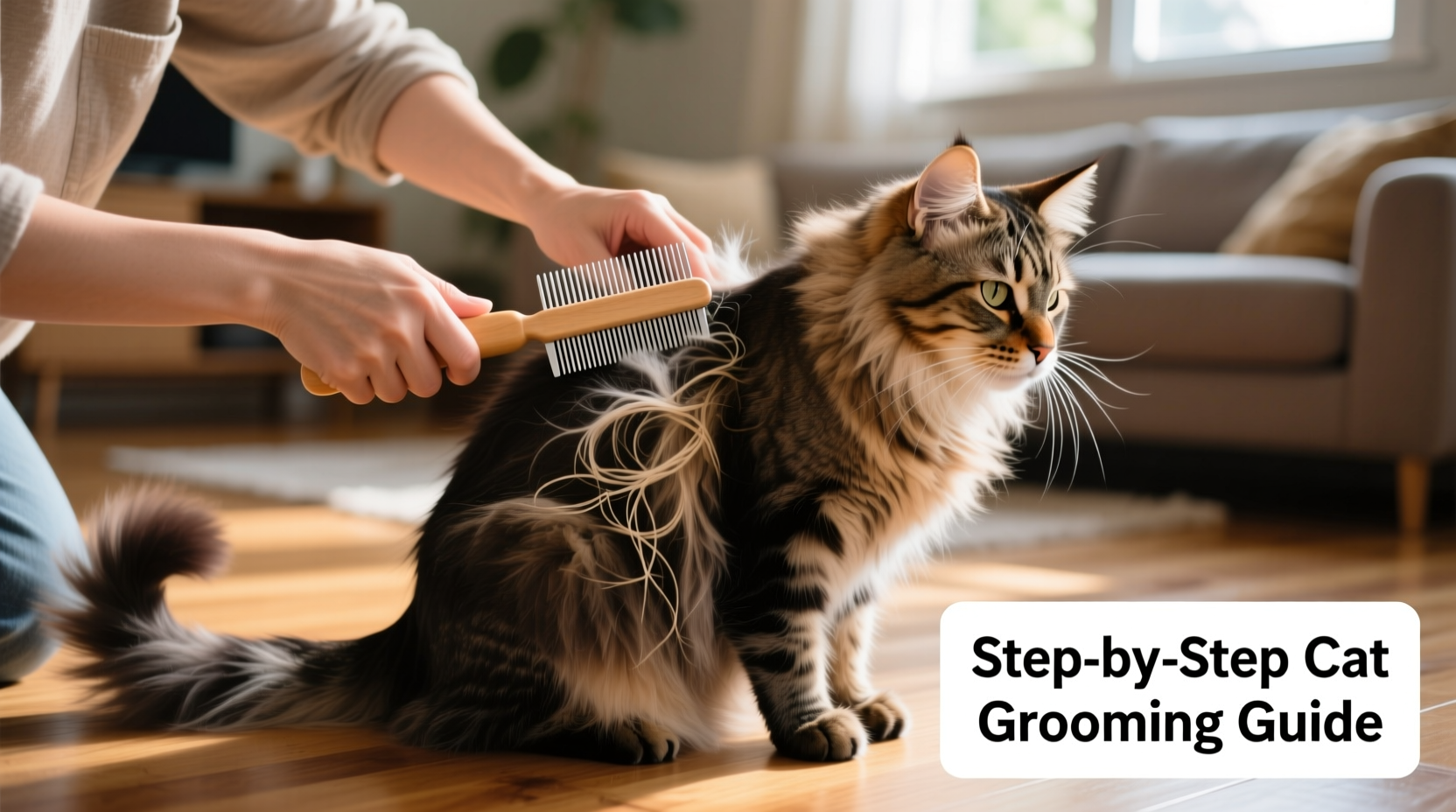
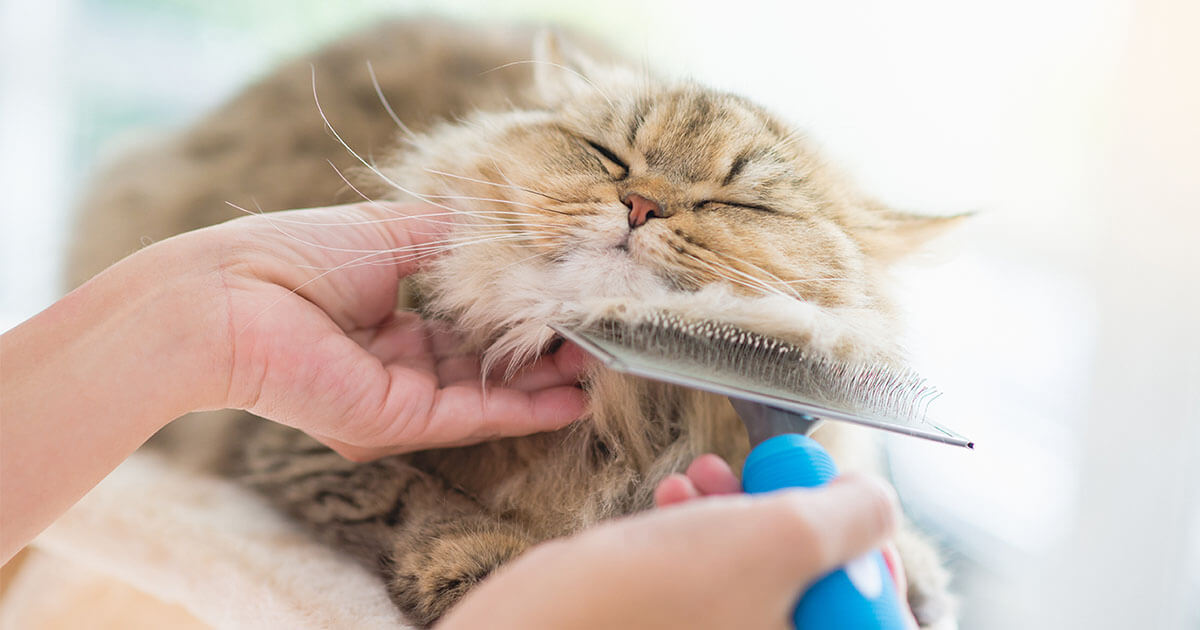
Using your chosen tool, gently begin to work out the mats, starting from the base of the hair and working your way outwards. Be patient and gentle, as matting can be painful for your cat if done incorrectly.
Step 3: Work slowly and carefully
Take your time and work slowly and carefully through the mats, using gentle strokes and avoiding any sudden or forceful movements.
Step 4: Repeat as needed
Repeat the process as needed, working through the mats and gently detangling your cat's fur until you've removed all of the mats.
Preventing Matting in the Future
Preventing mats from forming in the first place is easier than removing them. Here are some simple tips to help you keep your cat's coat looking its best:
- Brush regularly: Regular brushing can help to prevent matting by detangling and smoothing out your cat's fur, while also promoting healthy skin and coat growth.
- Use detangling sprays: Using detangling sprays can help to soften and lubricate your cat's fur, making it easier to brush out mats.
- Provide regular grooming sessions: Regular grooming sessions can help to prevent matting by keeping your cat's coat clean and free from debris.
- Keep your cat's nails trimmed: Overgrown nails can cause damage to your cat's coat and lead to matting.
Conclusion
De-matting your cat's fur requires patience and the right techniques, but with the right tools and a gentle touch, you can safely remove mats and keep your cat's coat looking its best. By following the simple steps outlined in this article and taking regular grooming sessions, you can help prevent mats from forming in the first place and keep your cat's coat healthy, shiny, and beautiful.





![Top 8 Best Cat Detangler Sprays of 2026! [Reviewed] - that's meow](https://media.diy.com/is/image/KingfisherDigital/fur-magic-deshedding-and-dematting-tool-double-sided-dog-and-cat-grooming-brush-for-long-medium-and-short-hair-small-size-blue~5060671840782_06c_MP?$MOB_PREV$&$width=600&$height=600 "Top 8 Best Cat Detangler Sprays of 2026! [Reviewed] - that's meow")