Dopamine Loop and Shame: The Hidden Cycle of Negative Emotions
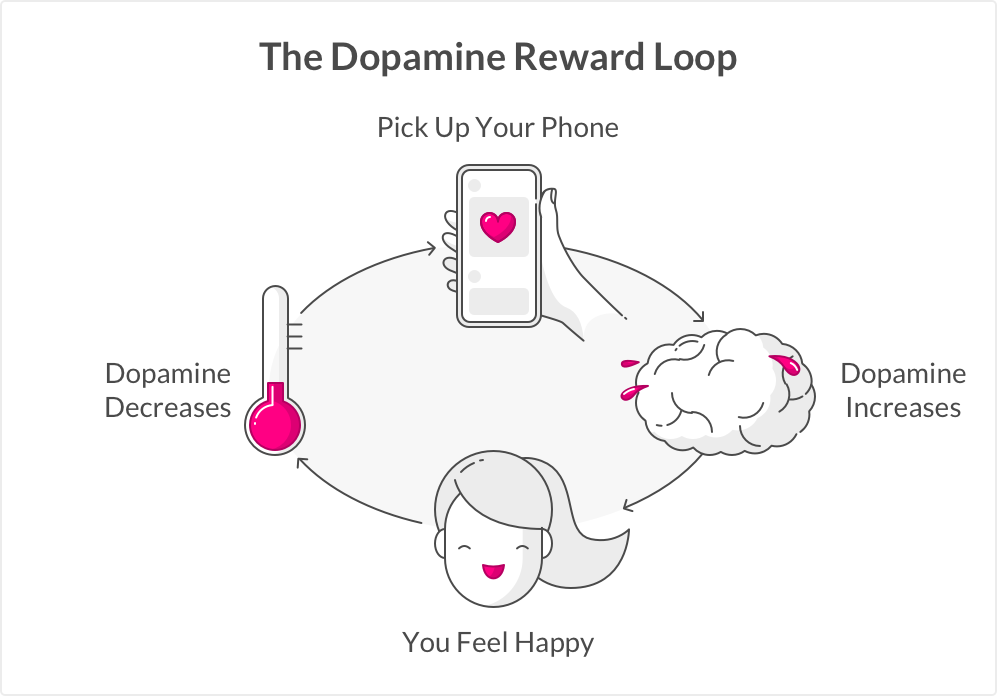
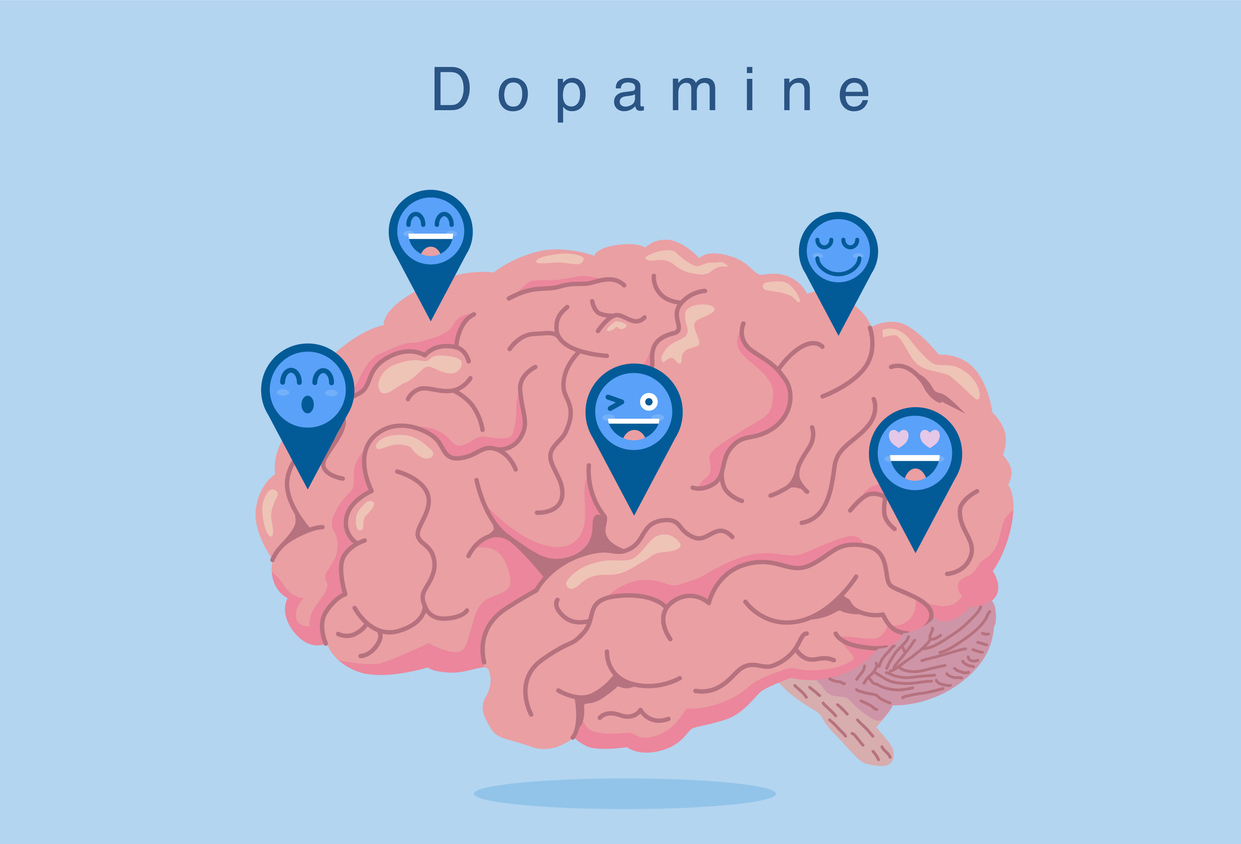
The moment we experience a fleeting sense of pleasure, our brain releases dopamine, a neurotransmitter linked to motivation, pleasure, and reward. While dopamine serves as a vital component of our reward system, it can also create a cycle of craving and dissatisfaction, particularly when we top the dopamine loop with shame.
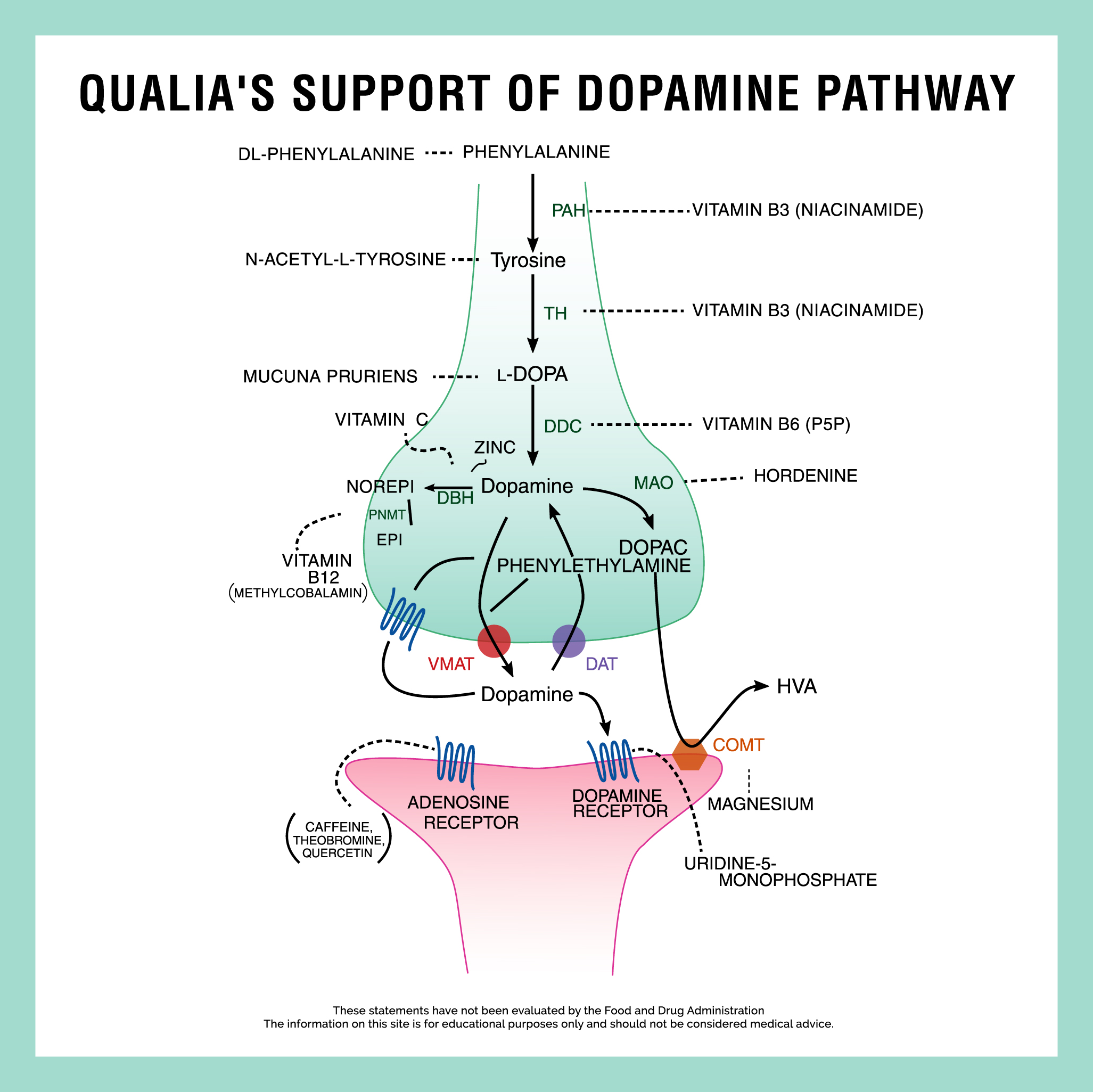
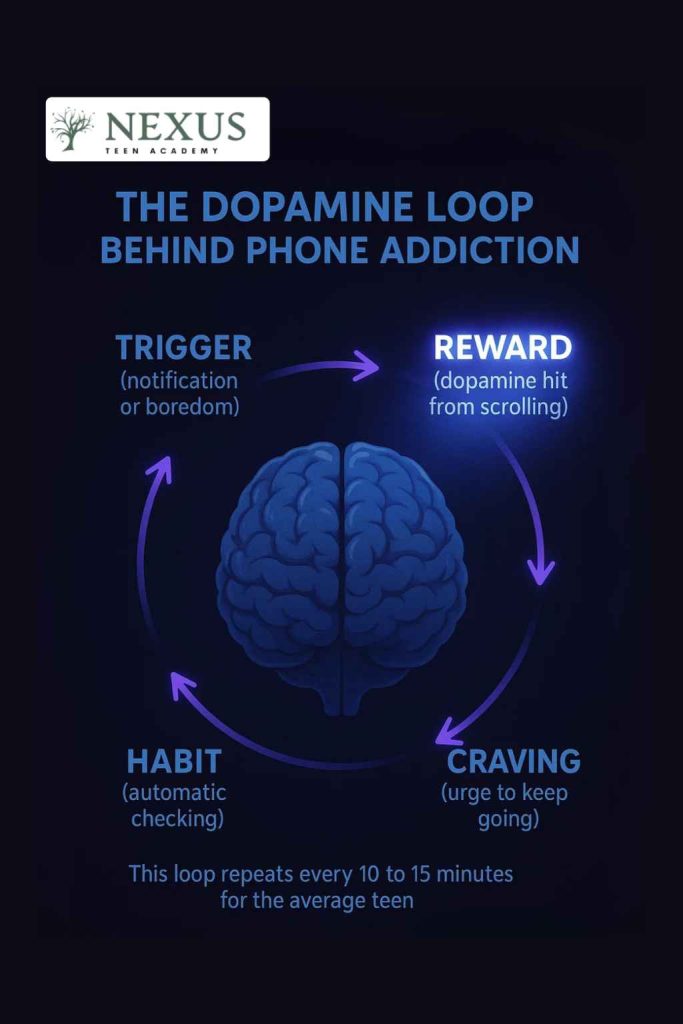
In the dopamine shame cycle, dopamine reinforces behaviors that provide temporary pleasure, making a person more likely to repeat them despite potential negative consequences or feelings of shame afterward. This cycle can be supercharged by the repeated stimulation of social media, which taps directly into the brain's reward system.
- When we engage with social media, each like, tag, or fresh post sparks a tiny surge of dopamine, making us more likely to repeat the behavior.
- Over time, this repeated stimulation creates a feedback loop: the brain starts craving more dopamine, and our ability to disengage gets weaker.
Uncovering the Mechanisms of Dopamine and Shame
Research has identified the neural mechanisms involved in the cycle of dopamine and shame. The amygdala, a key region in the brain's emotional processing, is activated when we experience shame.
- Shame leads to an increased release of the stress hormone cortisol, which impairs cognitive function and makes it more challenging to break the cycle.
- The prefrontal cortex, responsible for decision-making and impulse control, is inhibited during shame, making it even harder to regulate our thoughts and behaviors.
- The combination of amygdala activation and prefrontal cortex inhibition creates a self-perpetuating cycle of shame and negative emotions.
Breaking the Cycle of Dopamine and Shame
Interrupting the cycle of dopamine and shame requires a comprehensive approach that addresses the underlying neural mechanisms. Here are some strategies to help break the cycle:
- Practice self-compassion and acknowledge the shame without judgment.
- Engage in activities that promote feelings of self-worth and confidence.
- Develop emotional regulation techniques, such as mindfulness or deep breathing, to manage stress and negative emotions.
- Set boundaries and limit exposure to social media to reduce the stimuli that contribute to the cycle.
The Consequences of Chronic Dopamine and Shame
Chronic exposure to the cycle of dopamine and shame can have severe consequences for mental health, including:
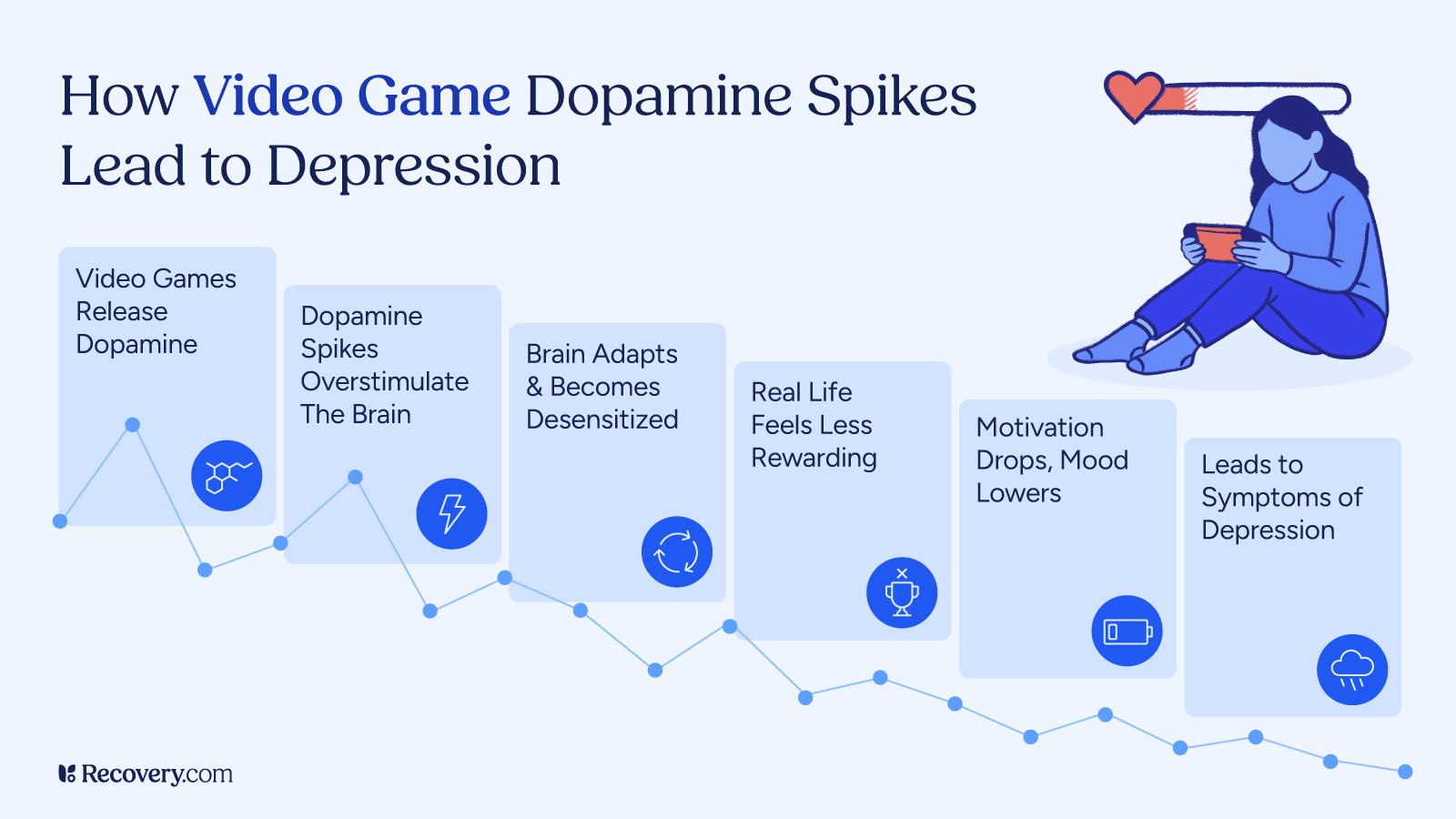
- Increased symptoms of anxiety and depression.
- Dysregulated autonomic functioning, leading to a heightened sense of vulnerability to others.
- Impaired cognitive function and decision-making abilities.
Conclusion
Breaking the cycle of dopamine and shame requires understanding the neural mechanisms involved and developing strategies to manage negative emotions. By acknowledging the cycle and implementing the necessary interventions, we can mitigate the consequences of chronic dopamine and shame and work towards a more balanced and fulfilling life.
What is a Shame Spiral?
A shame spiral is a feedback loop that moves through our thoughts, emotions, behaviors, and physiology. At its core, it's a self-destabilizing cycle that we create through our internalized perception of flaws or failures.
- Shame spirals can be triggered by various factors, including trauma, past failures, or perceived inadequacies.
- The spiral becomes more pronounced when we internalize these flaws or failures as a permanent part of our identity.
- As we traverse the spiral, we become trapped in a vicious cycle of negative self-talk, pessimism, and a sense of hopelessness.
How to Step Out of the Shame Spiral
Stepping out of the shame spiral requires a deep understanding of the underlying dynamics at play. To begin this process, it's essential to acknowledge the shame spiral and its impact on your life.
- Start by recognizing the patterns and triggers that lead you down the shame spiral.
- Begin to challenge negative self-talk and reframe it in a more balanced and compassionate light.
- Identify and practice self-compassion, self-forgiveness, and self-kindness.
Overcoming the Cycle of Dopamine and Shame
Overcoming the cycle of dopamine and shame requires a comprehensive approach that addresses the underlying neural mechanisms. By implementing the strategies outlined above and cultivating a deeper understanding of the roles of dopamine and shame in our lives, we can break free from the cycle and cultivate a more balanced and fulfilling life.
Conclusion
By understanding the dynamics of the cycle of dopamine and shame, we can take the first steps towards breaking free from its grasp. Remember, it's not about being weak or flawed – it's about taking control of our thoughts, emotions, and behaviors to cultivate a more compassionate and balanced understanding of ourselves and our place in the world.