Avoiding Information Overload: Strategies for a Digital Age
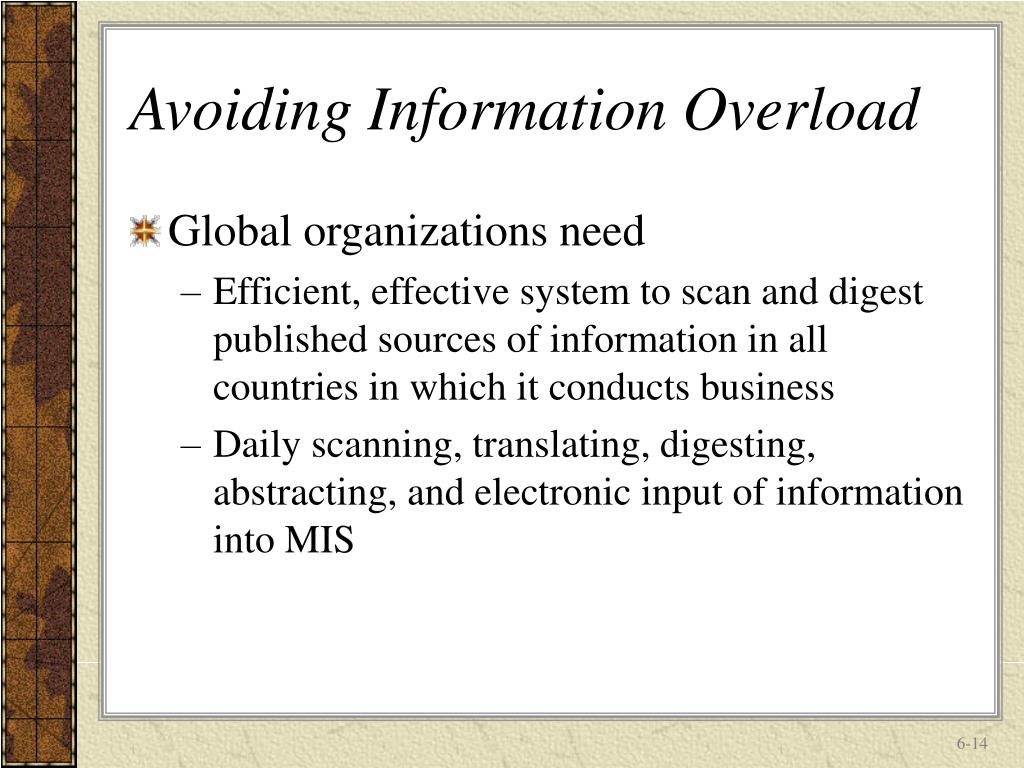
Information overload is a pervasive problem that affects decision-making, productivity, and well-being in today's digital age. With the constant flow of communication, task switching, and multitasking, individuals are exposed to more information than they can effectively process, manage, or use. In this article, we will discuss the causes and effects of information overload, as well as strategies for managing and avoiding it.
What is Information Overload?
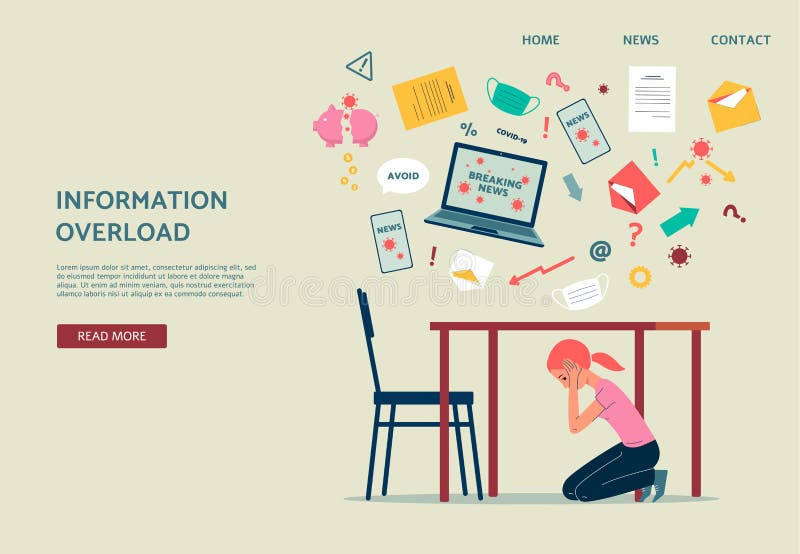
Information overload refers to the state of being overwhelmed by the sheer volume of data, messages, and decisions we encounter daily. Constant digital communication, task switching, and multitasking can stretch our attention, make managing up more difficult, and reduce information processing capacity. This can lead to decision fatigue, burnout, and feeling overwhelmed, ultimately impacting our well-being and productivity.
Causes of Information Overload
- Excessive digital communication: Emails, social media, news outlets, and notifications can contribute to information overload.
- Task switching: Constantly switching between tasks can reduce productivity and increase stress.
- Multitasking: Attempting to perform multiple tasks simultaneously can lead to information overload and decreased productivity.
- Data explosion: The exponential growth of digital information has led to an overwhelming amount of data that can be difficult to process.
Effects of Information Overload
- Decision fatigue: Making too many decisions can lead to mental exhaustion and decreased productivity.
- Burnout: Constantly being overwhelmed by information can lead to emotional exhaustion and decreased job satisfaction.
- Reduced productivity: Information overload can decrease productivity and impact work quality.
- Decreased well-being: Chronic information overload can lead to anxiety, depression, and decreased overall well-being.
Strategies for Avoiding Information Overload
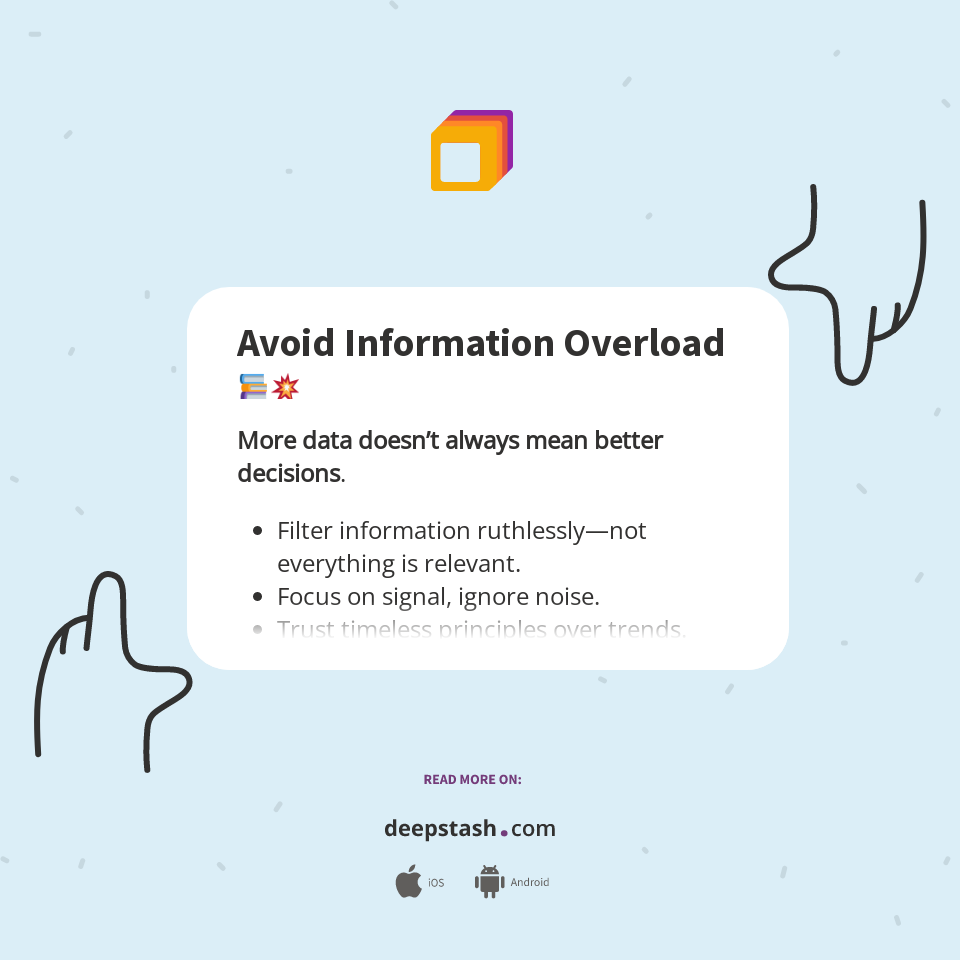
Fortunately, there are strategies that can help individuals manage and avoid information overload. Here are some effective tips:
1. Prioritize Information
Prioritize the information you receive and focus on the most critical tasks and information. Use tools like to-do lists and calendars to help you stay organized.
2. Set Boundaries
Set boundaries around your work and personal life to avoid the constant flow of communication. Designate specific times for checking emails and social media.
3. Use Technology to Your Advantage
Use technology to automate tasks, set reminders, and schedule related tasks together. This can help reduce information overload and increase productivity.
4. Take Breaks
Take regular breaks to recharge and reduce stress. Use this time to meditate, exercise, or engage in other activities that promote relaxation.
5. Learn to Say No
Learn to say no to non-essential tasks and information. Prioritize your work and focus on the most critical tasks and information.
6. Seek Support
Seek support from colleagues, friends, and family members. Share your concerns and work together to find solutions to information overload.
7. Stay Organized
Stay organized by using tools like to-do lists, calendars, and project management software. This can help you stay on top of tasks and information.
8. Limit Social Media
Limit your social media use to specific times of the day. Use this time to connect with others, but avoid excessive scrolling and information consumption.
9. Take Care of Your Physical Health
Taking care of your physical health can help reduce stress and improve overall well-being. Engage in regular exercise, eat a healthy diet, and get enough sleep.
10. Seek Professional Help
If you're experiencing chronic information overload, seek professional help from a mental health professional or a productivity coach.
Conclusion
Information overload is a pervasive problem that affects decision-making, productivity, and well-being in today's digital age. By understanding the causes and effects of information overload, as well as strategies for managing and avoiding it, individuals can take control of their information consumption and improve their overall well-being. Remember, prioritizing information, setting boundaries, using technology to your advantage, taking breaks, learning to say no, seeking support, staying organized, limiting social media, taking care of your physical health, and seeking professional help are all effective strategies for avoiding information overload.